



Jun 07, 2026 4:17pm IST
From ‘Obsession’ To ‘Backrooms’, Horror Films Today Underline The Fears And Vices Of Gen Z
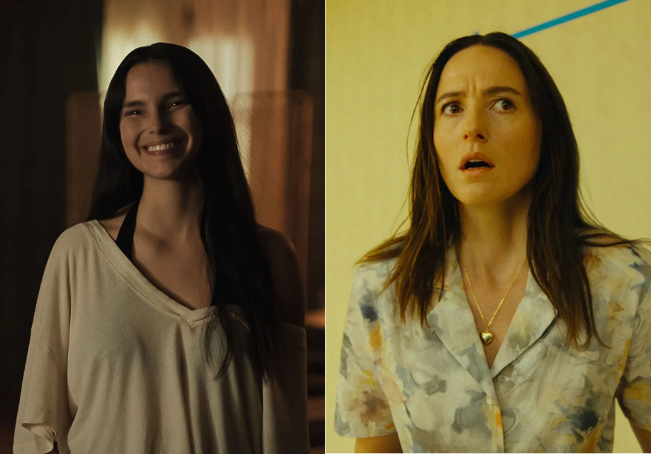
With “Obsession” grossing $178 million (gross) globally and Rs 31.54 crore (net figures as of Day 10 of release) in India and the continuing buzz around “Backrooms,” the focus has shifted to issues plaguing the younger generation: existential dread, sexuality, incel and cancel culture, body dysmorphia, digital addiction and even workplace stress.
The conversations aren’t just around jumpscares, scary spirits or haunted houses anymore. Across filmmaking departments, the intent is clearly to go beyond the ‘spooky’ and be more metaphorical in the horror genre.
Evolution of the genre
For one, characters seem more real than ever. Minor characters are given more agency. The antagonist isn’t the only bad guy in horror films anymore. Sometimes, the villain gets a back story that might justify the vengeance, even if not the gory extent of it.
Other times, it’s what the human characters are capable of doing to each other that becomes the real horror in the story, with the paranormal only catalyzing to bring out these toxic traits in them.
Related Stories
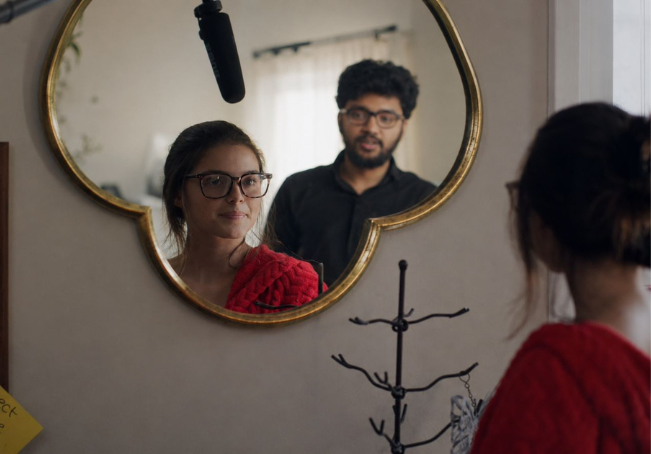
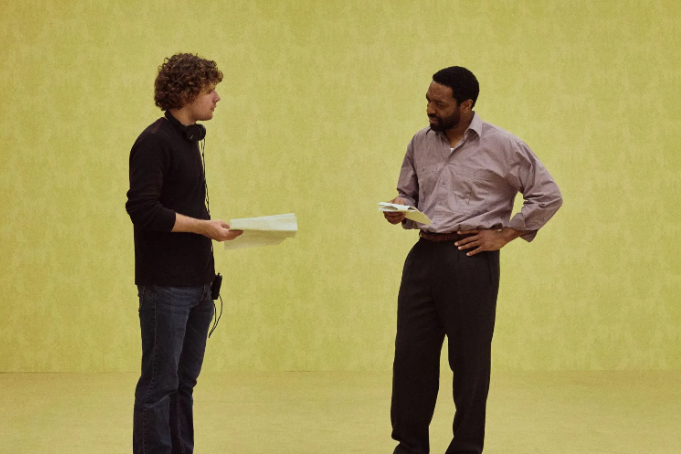
Here are some of the themes that films in recent years have tapped into, to capture the zeitgeist of the Gen-Z era.
Incel Horror
“Stree” had a twisted take on this, with the malevolent spirit being a vengeful woman hurt by a man, while “Stree 2” took on incel culture by showing just how men in the real world retaliate if women did indeed become the dominant sex. In Curry Barker’s “Obsession”, a man’s seemingly innocent wish to make his crush fall in love with him makes the point of just how much men want to control women’s lives or how they can’t handle rejection.
Workplace horror
While Gen Z has been deemed as the establisher of work-life balance, workplace horror is alive and well in films like “Send Help” and “They Will Kill You.” While the former is more of a survival thriller about a snooty boss and his undervalued employee marooned on an island, the latter features a housekeeper who ends up in a gig where she is hunted as prey. Both about soul-sapping jobs that remain inescapable.
Body and identity horror
The human body and identity take center in films like Coralie Fargeat’s “The Substance,” where an old, washed-up Hollywood star is addicted to a drug that helps her look younger, to the extent that her younger self splits from her body into a whole different person. The dissociation is the horror, especially when she realises the cost it has come to it.
“Talk to Me” is about a group of friends who find themselves in a supernatural nightmare after a game that turns deadly. The film points to how young people turn to substance abuse to escape their mental health issues, don’t heed warnings and are trapped in a bubble of their own with no way to empathise with one another.
The horror on your screens
The digital age is, perhaps, the scariest nightmare that everyone is currently living in. The first film in “I Saw The TV Glow” filmmaker Jane Schoenbrun’s Screen series is “We’re All Going to the World’s Fair”, about a teenager who takes on a creepy online role-playing challenge, perhaps to gain a sense of community and belonging, but it eventually isolates her from the real world.
The third-highest-grossing Taiwanese film of all time is a horror film called “Incantation,” which adopts the found-footage vlog format that wants to trap its own viewers in a curse. It’s an excellent critique of just how soon negativity can go viral in today’s digital era and how people will watch absolutely anything, even doomscroll something that’s not healthy for them.
The existential dread horror
Existential dilemma isn’t peculiar to the present generation, but the way horror films have recently depicted this dread is definitely more creative and impactful. Take 2026’s “Passenger” for example, a film that seems like a simple “spirit haunts a road traveler” freak show. And yet, the film takes time to establish the pros and cons of living a nomadic life, something that has attracted Gen-Z, who prefer (or rather, can’t afford to) live the cool, casual life with no attachments to a place or home.
One interesting narrative device that films in this niche employ is the horror of being stuck in never-ending loops. In “It Ends”, a bunch of recently graduated collegians find themselves trapped on a highway they can’t exit. Similarly, in the Japanese film “Exit 8”, which is actually a game adaptation, the artificial and mundane world becomes a horror loop that a commuter riding the metro is trapped in, until he finds the anomaly or glitch that can lead him to an exit.
The biggest example of this is “Backrooms," the sci-fi psychological horror film from Kane Parsons, inspired by his creepypasta (a modern internet horror or urban legend that goes viral) web series of the same name. The characters “clip out” of reality and into a seemingly infinite, yellow-walled, labyrinthine office space, which has its own type of non-corporeal monsters. “Backrooms” is an excellent allegory for how lonely the online world, with its echo chambers, can become.
It’s safe to say that horror films are doing a fantastic job of expressing the fears of the younger demographic. What’s a bigger indicator of horror being the defining genre of our times than the “Scary Movie” franchise returning after 2013 for “Scary Movie 6”, offering humor as a coping mechanism? The horrors persist, but so shall we all.
(International box office figures via BoxOfficeMojo and domestic figures courtesy, Sacnilk)











Comments are moderated. They may be edited for clarity and reprinting in whole or in part in Variety publications.