



Jun 01, 2026 9:00pm IST
‘Maximum Pleasure Guaranteed’ Creators David J. Rosen And David Gordon Green On That Refreshing Premise, Visual Influences And Being Suspicious Of AI (EXCLUSIVE)
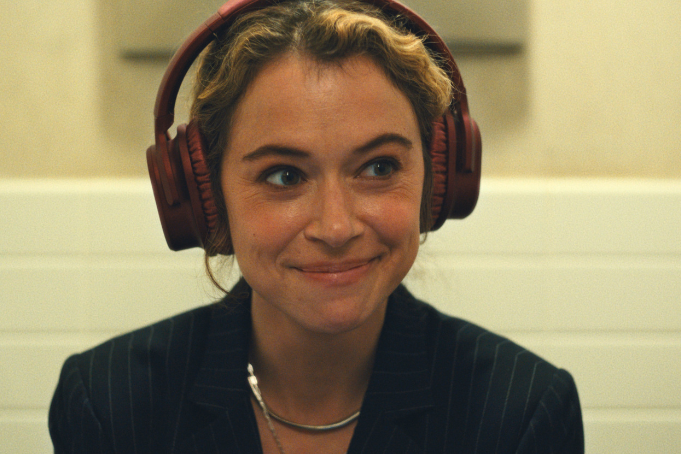
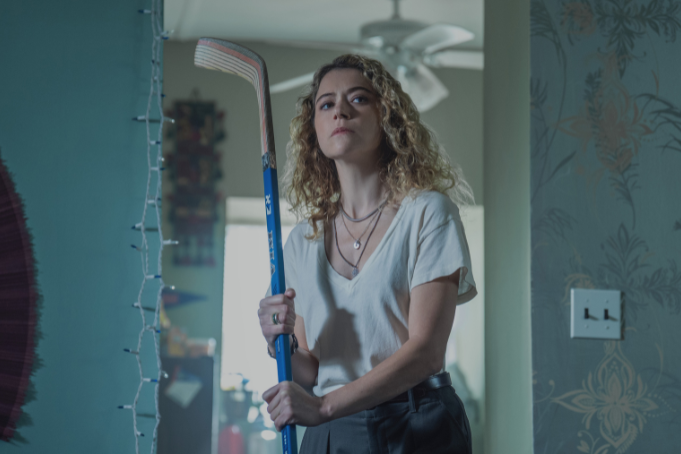
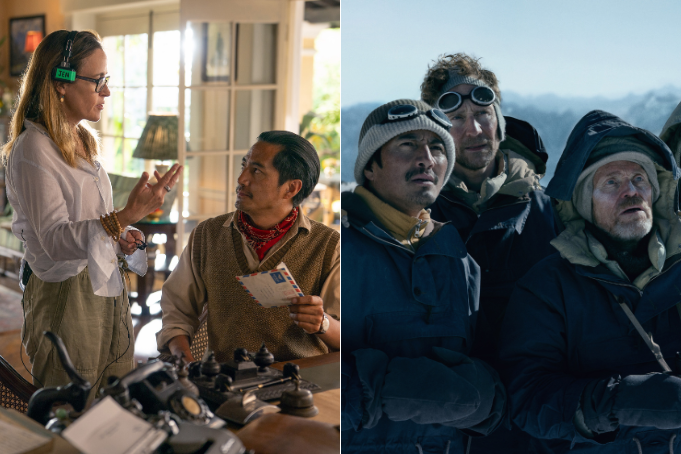
When a series is described as “a dangerous rabbit hole of blackmail, murder and youth soccer,” people sit up and watch. “Maximum Pleasure Guaranteed” on Apple TV, starring Tatiana Maslany, Jake Johnson, Jessy Hodges, Brandon Flynn, Murray Bartlett and others, promises a trippy ride through the life of a recently-divorced mother caught up in a web of cam boys, digital voyeurism and an ongoing custody battle.
In an exclusive chat with Variety India, series creator David J. Rosen and producer David Gordon Green reveal just what it takes to tackle such a fascinating premise that boldly mixes genres without losing its pace or changing its tone. They reveal visual influences, favorite scenes and their own thoughts on the doom-laden possibility of AI taking over filmmaking.
Related Stories
“Maximum Pleasure Guaranteed” has such a refreshing and timely premise. Where did the idea for the series come from?
David J. Rosen: I’d been thinking a lot about how we're living in an epidemic of loneliness, mostly brought on, from what I understand, by technology. Ironically, what lets you and I talk today is also what keeps us separate in our own homes all the time.
And I thought about a character of a single, working mom, the busiest person you could think of, who has no time for herself. And one night, after it's finally quiet, she opens up her computer and looks into the window for just a little bit of connection, a little bit of compassion. And then, she ends up in her own “Rear Window” thriller story. So that was really the kickoff point where I started writing from.
How have you struck the tonal balance between the gritty crime, Paula’s domestic life and the dark comedy?
David J. Rosen: Well, for me, it's a real close call on what's scarier: Knowing that there has been a murder in your neighborhood or being four minutes late to get your kid to soccer practice and there's no parking! So I wanted to treat both the terror of parenthood and the terror of the actual thriller, honestly and equally. But to get the balance right, we structured a show that needed to work as a thriller with no comedy and without any family drama.
Once we did that, it was who the characters were that made things heartfelt or funny. It was all based on character as opposed to plot mechanics.
What were the filmmaking influences on the show’s visual style and music?
David Gordon Green: In our early conversation with our production designer, I would use a reference of Wong Kar Wai’s “In the Mood for Love” for the apartment, seeing the lines and the opportunities of color and claustrophobia in a living environment.
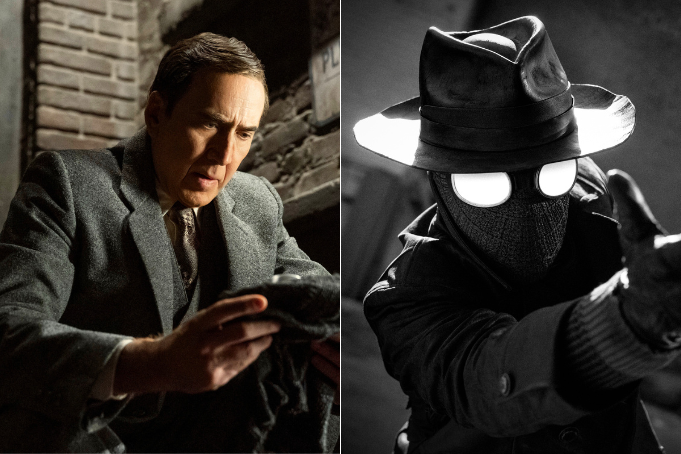
When we're talking about editorial tone and some shooting styles and zoom lenses, we're talking about “The Parallax View” (1974) and “Three Days of the Condor” (1975).
I think there's a playfulness that I have in all of my work that runs through even in the horror movies, taking advantage of opportunities of levity. So it's finding the tropes in everything from Hitchcock to modern procedurals and then filtering it through David’s eyes and his mind. He’s a super weirdo!
And so you kind of come up with a very unique way to tell those stories. And then you put a cast together that knows how to interpret it in their own way. It’s just having a great team of collaborators to do the dance.
Popular on Variety
What’s a memorable scene featuring Tatiana Maslany, Jake Johnson or Jessy Hodges that you're excited for the audience to see?
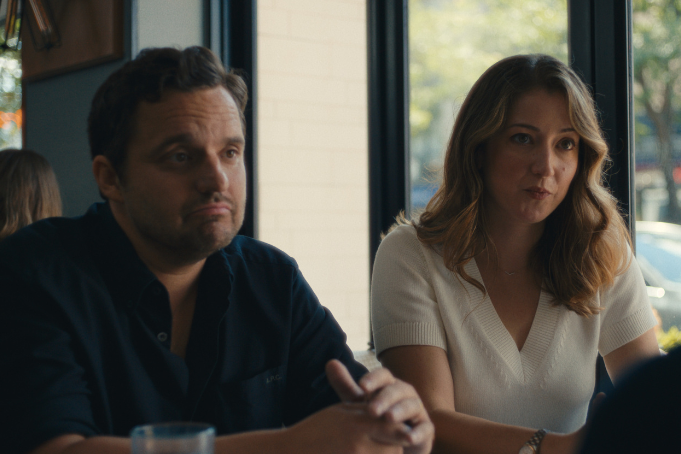
David J. Rosen: The one with all three of them that I really enjoy is in Episode 3, where they're kind of all sitting at a table in a cafe together and Mallory (Jessy) and Karl (Johnson) make an offer to Paula (Maslany) to try to solve their daughter’s (Nola Wallace) custody impasse.
It was so fun to be on set that day. The three of them together felt real, natural, funny and antagonistic. As I watched it, it felt like they really knew each other and I knew we had something. And that's a really high bar sometimes to get past.
The series touches upon both the useful and dark sides of technology. As filmmakers, writers and producers, how bullish or bearish are you about AI encroaching into the filmmaking space?
David J. Rosen: For me, it's like everything. You're suspicious. You watch it from afar. You see other people deal with it. You hear the conversations. You don't pick a side until you have to.
And you try to see how we could utilize it as a tool, and also keep our industry alive. One of the things I've noticed over the 25 years of my career is evolution in every direction. Technically, creatively, from the biggest corporate financing to the smallest of indie filmmaking. And I think we need an ecosystem with all of that.
There's a pendulum that swings with any new technology. I was very skeptical of digital cameras when they first came out and was a 35mm purist until I wasn’t. So I'm not righteous about technology. I'm curious, I'm suspicious, and I try to embrace it where I feel it's ethical.
David Gordon Green: I like that take. I feel there's a lot of chatter in the air, and there are a lot of reasons to be fearful and careful. And at the same time, I can't tell what is hype and what isn’t. So I know that right now, the things I'm most excited about are written by human beings and made by human beings. And I expect it will stay that way for a long time.



Comments are moderated. They may be edited for clarity and reprinting in whole or in part in Variety publications.