



Jun 06, 2026 5:00pm IST
Kunal Kapoor: ‘Indian Cinema Can Break Through in a Big Way Across the World’ (EXCLUSIVE)
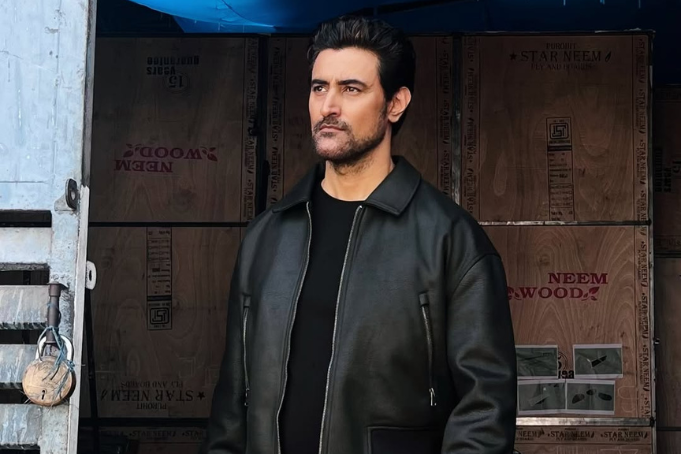
Kunal Kapoor, who is making his Telugu debut with “Vishwambhara” and his Kannada debut with “Lambodhara 2.0,” talks about the collaborative trend in the Indian film industry, why A-listers need to do more films and his penchant for learning South languages in this exclusive interview with Variety India.
You are making your Kannada film debut with “Lambodhara 2.0.” How did this come about?
A friend introduced me to producer Anil Shetty, who wanted to meet me for his film. Initially, I was not sure if I was going to be part of this film. But the moment I heard the story, I was pleasantly surprised. It was a character I had never played before. I immediately said yes to it because the story was so good. The film is set in the world of technology. That is a space I have enjoyed a lot. I’ve built a tech company; I’ve invested in multiple tech companies. Anil, who is also the writer, has written a film that is humane and emotional and set against a technological backdrop. My character is somebody who’s built a huge company, is brilliant, very unsociable, and more interested in data than people.
Related Stories

You are also making your debut in Telugu cinema with the Chiranjeevi film, “Vishwambhara.” What was the experience of being part of the film and working with the veteran actor?
It’s a story that will resonate across the country. I was really surprised that the makers approached me for this role. I’m excited to see how people respond to it. I think what’s really amazing about Chiranjeevi is that he’s incredibly kind, very helpful, and really concerned about you. I’ve been a big fan and have watched a lot of his films. He made it so easy to work with him.
You made your foray into South cinema with the Malayalam film, “Veeram” in 2017. What draws you to South cinema? How do you handle the language barrier?
I have acted in both Malayalam and Telugu cinema. And I have to say, amongst all these three languages, Kannada came to me quite naturally. But I make an effort to learn the language. I make sure that I get every word right because that’s really important to me. I know there are a lot of actors who read from the teleprompter or get prompted as well when they don’t know the language. But I find that very difficult to do. I find it very unnatural, and I feel like I can’t do justice to my character. So, I try to learn the lines, ask for the meaning of each word and try to understand not only what I’m saying but also what’s being said to me. So, it is an extensive process.
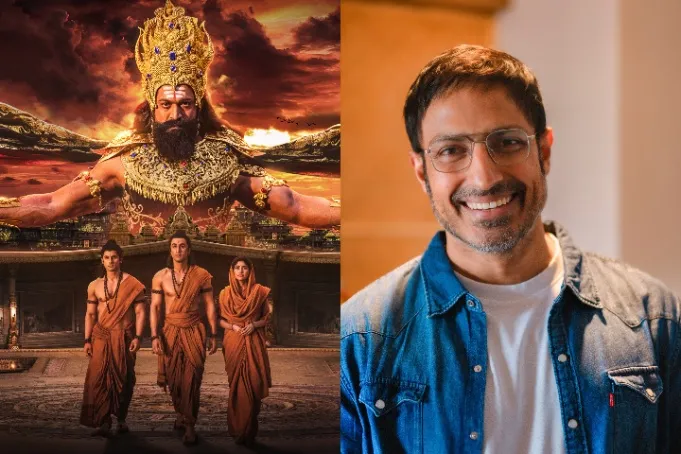
You are also acting as Indra Dev in the pan-India film “Ramayana.” What do you think of collaborations between the Hindi film industry and South films?
I think we are in a very exciting phase of movies right now because I genuinely feel like Indian cinema can break through in a big, big way across the world. The only way it’s going to happen is if you’re not working in silos and have pan-India collaborations of talents from different industries. This coming together of talents from different industries and building things together is a very exciting time for Indian cinema. And, for actors, the possibility of being offered and being part of films that are very different from anything they have done before is also exciting.
Popular on Variety
The current trend among most mainstream actors is to do one or two films a year. Do you feel that actors need to make more films to generate more business for the industry?
There was a time when actors would do 12 films at a time. I’ve spoken to actors of that generation. They were working with the same actress and doing two shifts of two different films. I don’t think that’s the most productive way to make movies. I think the idea of observing yourself in one film, whether it takes 40 days, 60 days, or 100 days, is very important. But I’ve also said that I think it’s very important for the industry, as far as business is concerned, that saleable actors that people pay money to come and watch should do a lot more films because we have so few stars who can actually draw people into the theaters. When those stars are seen once every three or four years, I don’t think it’s great for the industry.
You worked in the South and in Bollywood as well. Would you say that the South is more disciplined?
I think both are at par. There was a time, maybe 20 years ago, when industries were unprofessional and were very star-driven. Actors would turn up late and scripts would be written on sets. But this whole new crop of technicians, directors, actors, everybody is very disciplined. Everybody’s on time, scripts have been written; you’ve had 20 drafts of a script before you actually go and shoot the film. I see a lot of professionalism across the board in all the industries I have worked in.












Comments are moderated. They may be edited for clarity and reprinting in whole or in part in Variety publications.