



Jun 18, 2026 10:00pm IST
Kane Parsons Dissects ‘Backrooms’ Universe And How It Is Relevant For Humans (EXCLUSIVE)
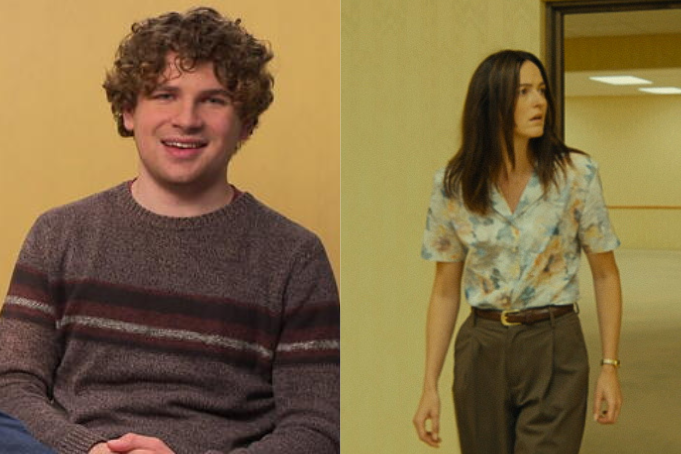
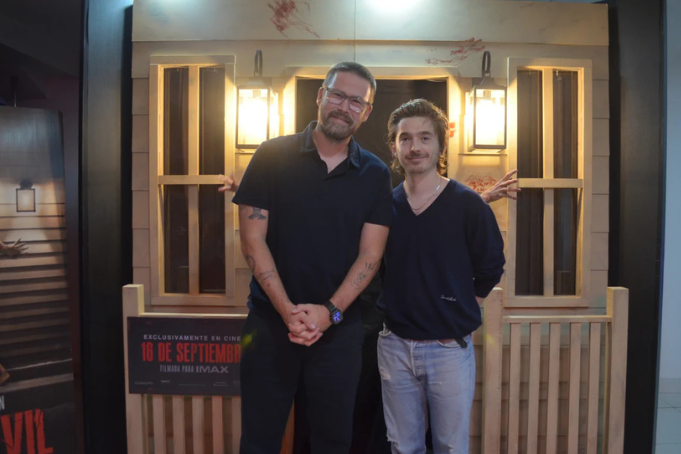
One of the biggest grouses that most viewers of “Backrooms” had after exiting their screens was this: what had they just watched? The mind-bending science fiction psychological horror left everyone at their wit’s end. Director Kane Parsons, in an exclusive with Variety India, decodes the "conspiratorial thinking” that makes up the world of his record-breaking film.
Offering an example, he shares, “When people are isolated from society, they become disconnected and conspiratorial thinking arises. How terrifying would it be if that was your existence forever, and all you could do was experience it over and over again?”
That repetitiveness and “industrialized monoculture,” says Parsons, “is the cumulative result of a societal exhaustion” caused by “repetition and patterns in society” which, like sensory deprivation, leaves the brain to try and find meaning in all “the incoherent noise.”
Related Stories
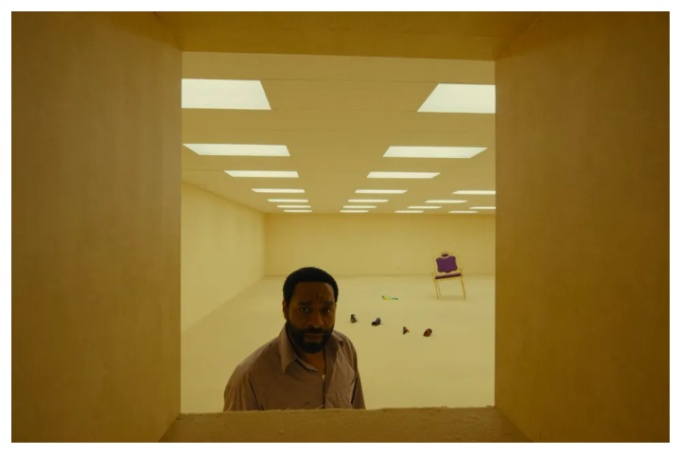
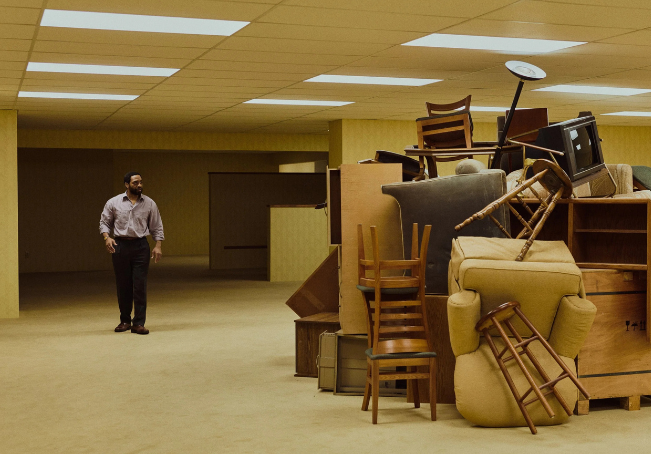
Revealing how the creation of the Backrooms domain came to be, he opines, “What if it’s not only buildings and objects that can be replicated, but also human beings? What if we’re not special in any particular way? What if we’re just clumps of cells that can be copied by this place, like mutations?”
As the film's protagonist, Clark (Chiwitel Ejiofor) left audiences wondering how he got whisked into the fiasco. Kane Parsons seems to have thought of him as a dysfunctional being with an affinity for the human-made world. But that is exactly what becomes his undoing, opening a can of worms that relentlessly found home in his mind. Shedding light on why the failed architect was unable to stop himself from coming back to the “Backrooms” every time, the director said, “He finds comfort in complacency there, no longer resisting his own whims. It’s like taking someone in freefall and giving them the newfound ability to maintain that complacency, only it devolves into a kind of feedback loop from within.”
Another very debated presence appears in the form of Dr. Mary Kline (Renate Reinsve), who soon turns from Clark’s friend into a foe and exposes her own emotional struggles. Parsons attributes her formative years to be the cause of her unbecoming, “The ideas and systems that Mary has constructed to cope and understand and map this cognitive world — this sea of noise — haven’t been effective. Ultimately, her system has done more harm than good with Clark, to say nothing of her own fragility.”
Last but not least, the Async organization, which forms the base of the storyline, is revealed as a ‘confounding, impossible box’ which refracts itself into infinity, but one that cannot easily be made sense of. The 21-year-old describes it as “the most extreme version of the problem-solving and map-making tendencies of civilians like Clark and Mary.”
Where does “Backrooms” go from here? The filmmaker reimagines a realm where it goes further than what has already been done. “It’s always been about preserving the same feeling, and the same way of delivering information, but gradually giving more visually and narratively to get to the root of the mechanism by which this place operates. Where is it drawing from? Where did these buildings come from? What is it building itself out of?”
Led by Chiwetel Ejiofor and Renate Reinsve, “Backrooms,” written by Will Soodik, is currently running in theaters.













Comments are moderated. They may be edited for clarity and reprinting in whole or in part in Variety publications.