



Jun 10, 2026 10:20am IST
‘Backrooms’ – Born within the endless corridors of the Internet
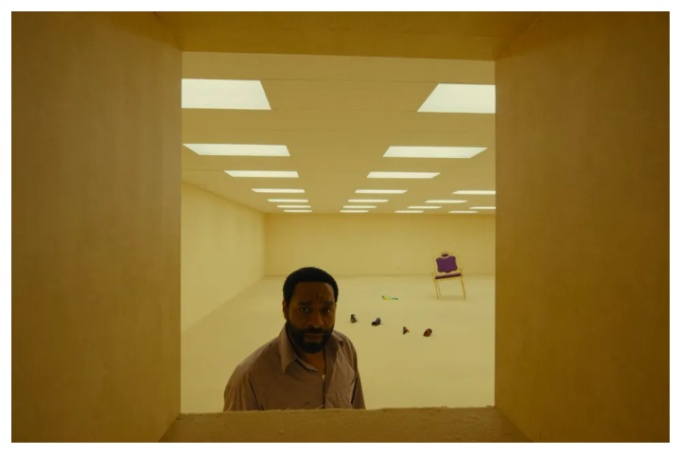
I walked into a special Variety India screening of “Backrooms” expecting to admire an impressive achievement. I walked out convinced I had witnessed something more important.
Not because “Backrooms” is based on one of the internet’s most enduring horror myths. Not because its director, Kane Parsons, is a remarkable success story. And not even because the film itself is genuinely unsettling. What struck me most was the realization that I may have just watched the first major studio horror film whose cinematic language wasn’t primarily born in Hollywood. It was born online. And that is beyond, incredible.
For years, we’ve talked about internet creators eventually crossing over into mainstream filmmaking as though it were some inevitable future event. The assumption was always that once they arrived, they would adapt themselves to Hollywood’s grammar. They would learn the rules, adopt the conventions, and tell stories the way cinema has always told them.
“Backrooms” feels like the opposite. It feels like Hollywood adapting to them. The atmosphere in the theater was fascinating. The audience wasn’t reacting the way horror audiences traditionally react. They weren’t waiting for jump scares. They weren’t laughing nervously in anticipation of a reveal. Instead, there were long stretches of silence. The kind of silence that only happens when people are collectively trying to understand what they’re seeing. And it was an incredible feeling.
Related Stories

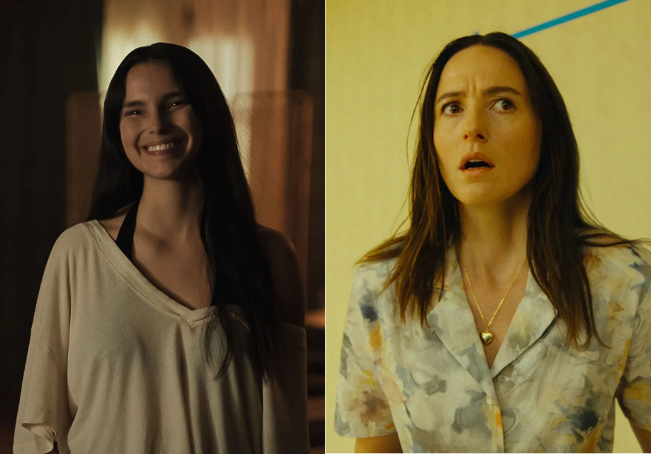
The film taps into a very specific kind of dread that feels uniquely modern. Previous generations feared haunted houses, abandoned hospitals, dark forests, or monsters lurking under the bed. Those fears were rooted in physical places. The terror of “Backrooms” feels different. It’s the fear of becoming lost inside a system.
“Backrooms” was never designed to be a movie. It was folklore. And perhaps that’s what fascinates me most about the film. For decades, Hollywood searched for intellectual property in novels, comic books, toys, and video games. Meanwhile, an entirely new form of mythology was quietly emerging online. Collaborative. Decentralized. Creepypastas created by thousands of people simultaneously. Stories that belonged to everyone and no one. “Backrooms” is one of the first major examples of that mythology making the leap to the big screen without losing the qualities that made it resonate in the first place.
As I marveled at the slow track in on the haunting last image, on screen, I found myself thinking less about the movie and more about what it represents. Twenty years ago, a teenager making experimental horror videos on YouTube would have been viewed as an outsider hoping to enter the film industry. Today, that same teenager can become the film industry. That’s the real story of “Backrooms.” Not just that an internet legend became a movie. But that an entire generation of filmmakers grew up outside the traditional gates, built their own audience, developed their own visual language, and got so good that Hollywood eventually had no choice but to let them in.
For decades, the industry searched for the next generation of storytellers in film schools, agencies, and development programs. It may have been looking in the wrong place. Somewhere between YouTube uploads, online forums, Discord servers, and collaborative digital myth-making, a new generation was quietly teaching itself how to dream.
Long after the credits rolled, I could still hear the fluorescent hum. Not from the film. But from the realization that Hollywood had just wandered into a new corridor and may never find its way back. Because somewhere between those endless yellow hallways, Hollywood stopped being the destination and became just another room.
















Comments are moderated. They may be edited for clarity and reprinting in whole or in part in Variety publications.