



Sep 15, 2026 8:31pm IST
Hasan Minhaj on Breaking Indian Stereotypes in American Cinema: ‘We Just Wanted to Be Done With the Old Tropes’ (EXCLUSIVE)
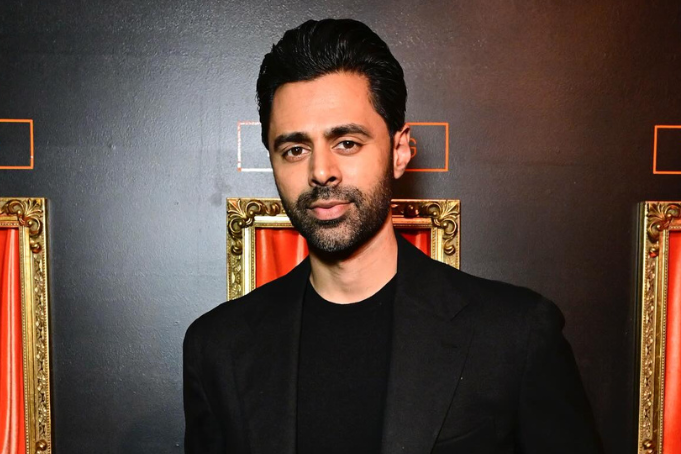
“Best of the Best" was an opportunity to move away from familiar stereotypes that have long shaped South Asian characters in American cinema, says Hasan Minhaj, who has co-written and starred in the upcoming film. For the comedian and actor, that meant portraying Indian and South Asian families as contemporary, aspirational and fully representative of the world they inhabit in 2026.
“There were particular stereotypes and tropes I wanted to do away with. There’s a moment in time that’s happening right now, where I think for all of us diaspora kids living throughout the world, there are things that we have updated our software on,” he quips.
That shift, he says, is reflected even in the smallest details. “We didn’t have parents with accents. In another instance, we showcased one of the primary parents played by the incredible Janina Gavankar – she is raising Anjali through a divorce – but that isn’t the defining thing.”
Related Stories
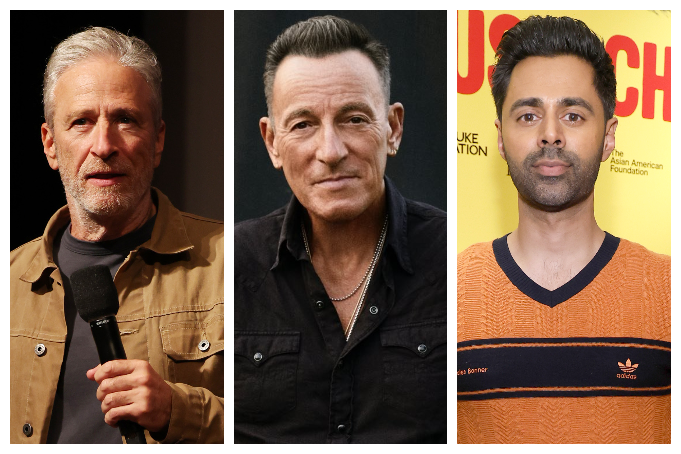

Instead of relying on familiar narratives about strict Indian parents and academic pressure, Minhaj wanted to show a different dynamic. Notes Hasan, “There were just these old tropes and stereotypes we wanted to be done with. Like you have to get good grades, or I need you to do this or that. It’s really about empowerment, how are you going to survive and how are you going to make a living from a very pragmatic, practical sense. ”
For Minhaj, contemporary South Asian parents can exist outside those prescribed stereotypes. “Parents now are super modern, contemporary, and they see the world as it is, and they, as urban professionals, understand what the stakes are in the world. We thought, what if the parents operated that way and that we had this college film honour kind of the modern canon that American college films have as well?”
The larger goal, however, was about changing the way South Asians are positioned within the visual language of American cinema. Minhaj observes, “I have seen South Asian films be articulated in American cinema through pain, poverty, suffering, racism, and all of those things are real, but also a part of human existence is joy, laughter, and aspirational glamour,” he says. “And when you think about South Asians in American cinema, how often are we centred in the frame and given that aspiration-like glamour?”
Popular on Variety
That idea of glamour and representation became particularly important to Minhaj. “When you look at even, say, fashion icons like Ralph Lauren, what Ralph was designing was an aspirational Americana, and to see our beautiful brown skin be given that centre frame and have an aspiring aesthetic driven by our amazing actors, to me that was just a true dream come true.”
Ultimately, Minhaj says the intention was rooted in respect for the culture and the artists involved. “When I was talking to these collaborators and great artists in India, I wanted to them know the intention was izzat (respect), our collective izzat (respect).”
“Best of the Best” streams on Netflix on September 18















Comments are moderated. They may be edited for clarity and reprinting in whole or in part in Variety publications.