



Nov 05, 2026 9:00pm IST
‘Dune: Part Three’: 7 Films of DOP Linus Sandgren to Watch Before His Cinematography Takes Us Back to Arrakis

Linus Sandgren has quite an assignment ahead of him. The Oscar-winning cinematographer is stepping into the world of Arrakis for Denis Villeneuve’s “Dune: Part Three,” taking over from Greig Fraser, whose work helped define the visual identity of the first two films. But Sandgren is hardly a newcomer being handed the keys to a major franchise. His filmography spans musicals, period dramas, biographical films, thrillers and blockbuster spectacles. Before he takes us back to Arrakis, here are seven films that demonstrate what he can do behind the camera.
La La Land (2016)
This film earned Sandgren the Academy Award for Best Cinematography. Damien Chazelle’s musical romance moves between the sun-drenched optimism of Los Angeles and the melancholy reality of two people chasing their ambitions. Sandgren’s saturated colors, expressive lighting and fluid camera movements give the film its distinctive visual rhythm. From the opening freeway sequence to the dreamlike planetarium scene and the emotionally charged finale, he makes the musical numbers expansive without losing their intimacy.
American Hustle (2013)
David O. Russell’s crime drama takes us into the world of con artists Irving Rosenfeld and Sydney Prosser, who become entangled in an FBI sting operation. Set in the late 1970s, the film relies on a warm, textured visual palette that complements its flamboyant characters and shifting loyalties. Sandgren’s cinematography gives the period setting a lived-in quality rather than making it feel like a carefully assembled recreation. It is a fine example of how visual texture can establish both atmosphere and character.
Related Stories
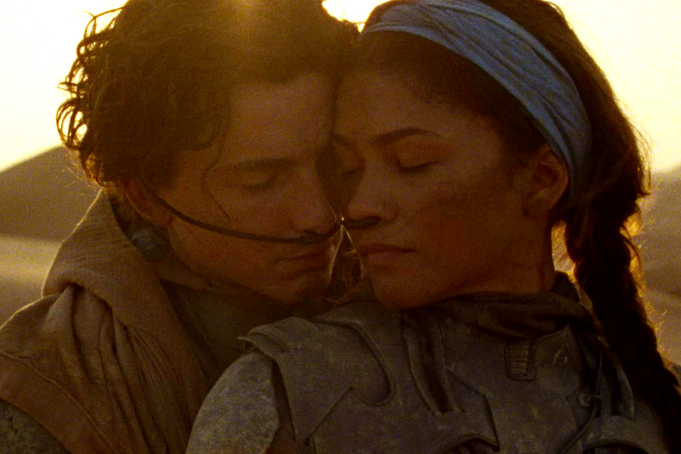

First Man (2018)
If “La La Land” showcased Sandgren’s ability to make a world feel romantic, “First Man” demonstrated how effectively he could make one feel claustrophobic. Chazelle’s film follows Neil Armstrong’s journey towards the Apollo 11 Moon landing, but its emotional center lies in the personal cost of that pursuit. Sandgren shifts between intimate handheld photography, the disorienting confines of spacecraft interiors and the stark imagery of the lunar surface. Space feels less like an uncomplicated wonder and more like an environment capable of swallowing a human being whole.
Battle of the Sexes (2017)
Set around the famous 1973 tennis match between Billie Jean King and Bobby Riggs, this film demonstrates Sandgren’s ability to recreate a period without relying on visual grandstanding. The colors, production design and details of the setting establish the era, while the cinematography keeps the focus on the people at the heart of the story. It is a more restrained showcase of his craft, proving that his visual sensibility works just as well in character-driven storytelling as it does in larger spectacles.
Babylon (2022)
Few films in Sandgren’s filmography are as visually unrestrained as “Babylon”. Chazelle’s sprawling portrait of Hollywood during the transition from silent films to talkies is a story of ambition, excess and reinvention. Shot on 35mm, the film embraces analog texture and a heightened visual palette to capture an industry constantly on the verge of spinning out of control. The opening party sequence is a formidable display of movement, scale and visual orchestration. If “La La Land” captured Hollywood as a dream, “Babylon” examines its intoxicating and destructive machinery.
No Time to Die (2021)
A James Bond film demands international locations, elaborate action and a certain cinematic polish. Sandgren brings that scale to Cary Joji Fukunaga’s “No Time to Die,” Daniel Craig’s final outing as 007. Moving from Italy to Jamaica, Norway and London, the film uses its locations to build atmosphere while keeping its action sequences visually coherent. Sandgren also makes room for quieter passages, allowing the film’s emotional stakes to emerge beneath the spectacle. His work earned a BAFTA nomination for Best Cinematography.
Saltburn (2023)
Emerald Fennell’s psychological thriller offers a very different visual playground. Set largely within an imposing English estate, “Saltburn” follows Oliver Quick as he becomes increasingly entangled with the wealthy Felix Catton and his family. Sandgren uses the estate’s architecture, lavish interiors and surrounding landscape to make the setting feel both seductive and unsettling. The compositions frequently position Oliver as an outsider observing a world he desperately wants to enter. As the story grows darker, the beauty of the surroundings becomes increasingly uncomfortable.
With “Dune: Part Three”, Sandgren enters a universe whose visual identity has already been established. Villeneuve has revealed that the film was predominantly shot on 65mm film, with a substantial portion captured on IMAX film, marking a fresh photographic direction for the franchise. Sandgren’s filmography suggests that he has the range to bring a distinct sensibility to Arrakis. Whether that translates into a visual experience as indelible as the first two films remains to be seen.












Comments are moderated. They may be edited for clarity and reprinting in whole or in part in Variety publications.