



Oct 11, 2026 11:00am IST
Abhay Jodhpurkar On Shah Rukh Khan’s ‘Mere Naam Tu’ And Industry Gatekeeping: ‘They Didn’t Want To Risk A New Song With A New Name’ (EXCLUSIVE)

Abhay Jodhpurkar’s National Award win for "Navasachi Gauri Mazi" from "Gharat Ganpati" comes after more than a decade of navigating an industry where, according to the singer, an unfamiliar voice can often be considered too much of a risk. His journey to becoming Shah Rukh Khan’s voice in "Mere Naam Tu" from "Zero" involved repeated setbacks, recordings that were replaced by established singers and a period when he began questioning his own abilities. In an exclusive conversation with Variety India, Jodhpurkar opens up about the people who stood by his voice when the safer industry choice was to go with a bigger name.
Jodhpurkar says that Rahman’s repeated attempts to put him on major projects did not always translate into a final song. “Right after being launched by A.R. Rahman Sir with ‘Godfather’ in 2012, he has been trying to launch me in a lot of projects,” he says. “From ‘Jab Tak Hai Jaan’ to ‘Kochadaiiyaan’ to a lot of films that I had done a few scratches for, ended up with me being replaced by Arijit Singh or Sonu ji or other big names."
Related Stories
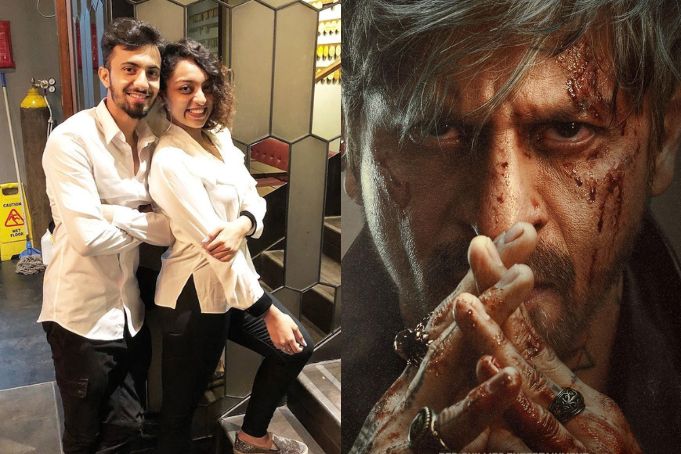
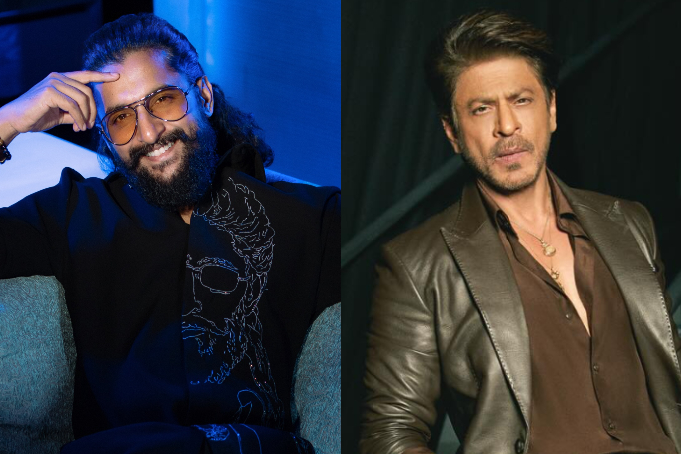
The problem, he believes, was less about the recordings themselves and more about the perceived risk of putting an unfamiliar singer on a major film. “I was still a beginner down south and had done over 100 songs... Sir tried to launch me, but then, it somehow was not working out.”
The repeated disappointments eventually affected his confidence. “It has somehow never worked out. And I was also losing my morale. I was like, maybe it's something in me that I need to work on or I was having self-doubt.”
The turning point came after he moved to Bombay and met Ajay-Atul. The composer duo had heard his work, including "Moongil Thottam" and his cover of "Jeev Rangla" ("Jogwa"), and asked him to try out for some of their material. One such recording became "Mere Naam Tu."
“What was supposed to be just a trial, just a prep” ultimately became something much bigger, Jodhpurkar recalls. “Because after the recording, the song went on to be shot for 14 days and Shah Rukh Khan sir felt that the voice suited him. Aanand L. Rai Sir, Irshad Kamil Sir, were all very happy with it.”
But the fact that everyone involved creatively liked the voice did not necessarily settle the question of who should sing the song. "Mere Naam Tu" was a major song from "Zero", and Jodhpurkar was still largely unknown to the Hindi film industry.
“It was the biggest song of the film. And you're betting it with a singer who is completely unknown to the Hindi industry,” he says. “So of course, there's a huge risk. And there's a lot of debate around that and pressure from the labels to ‘let's have a big singer sing it.’”
This time, however, the people behind the song refused to let familiarity decide the outcome.“They stood up and they were like, ‘No, everyone has liked it and we won't let it be replaced because he’s done a good job and we feel like it should be retained,’” Jodhpurkar says.
That decision, he believes, fundamentally altered his trajectory. “Had they not taken that stand for me, I would have probably not been here now,” he says. “It takes a lot of guts to do that.”
His experience with "Mere Naam Tu" also informs his criticism of the larger ecosystem around playback singing. Jodhpurkar says even established composers can find their preferred singers being questioned when the people making commercial decisions favour voices that already have market recognition.
“Pritam Da has pitched me to so many projects and he has insisted that we should really clean up his version but somehow they feel like ‘this won't work, we need more energy, we need accents, we need a sick voice’... popular voices,” he says.
For Jodhpurkar, the deeper issue is who gets to make creative calls. “People who lack creativity or who don't understand musicality are taking calls for the thing because they are the producers,” he says. “So I think that is the biggest challenge when the composer or the artist are not respected for their talent and are just treated like slaves just because they are being employed by them.”
His National Award now offers a very different kind of validation. "Navasachi Gauri Mazi,” rooted in the Gauri-Ganpati traditions he grew up with, connected with him on a cultural and personal level.
Popular on Variety
“I think the fact that while we were creating the song, we poured our heart and soul into it. And it's very personal,” he says. “I feel like that has transcended into this kind of success.”
And for the singer who once wondered whether there was something fundamentally wrong with his own voice, winning for a Marathi song carries an added sense of belonging. “I feel really proud that I got it for my mother tongue, Marathi,” Jodhpurkar says. “And it feels like a personal win for all of us."





Comments are moderated. They may be edited for clarity and reprinting in whole or in part in Variety publications.