



May 20, 2026 3:55pm IST
The Great Romance Drought On Indian TV: Why Shows Like ‘Iss Pyaar Ko Kya Naam Doon’ and ‘Kaisi Yeh Yaarian’ Aren’t Made Anymore
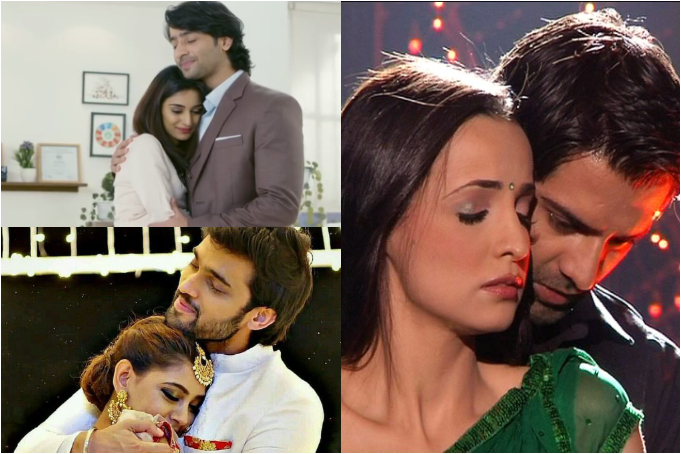
Between 2000 to 2015, Indian TV audiences watched numerous romantic shows that were engaging, entertaining and made audiences swoon over their lead characters. The popularity of such shows spread to foreign shores with Indian television’s biggest names at the time becoming big stars overseas (Shaheer Sheikh in Indonesia, Barun Sobti in Central Asia, Vivian Dsena in Egypt and Harshad Chopda among NRIs in general) .
Characters like Khushi Kumari Gupta from “Iss Pyaar Ko Kya Naam Doon” and Manik Malhotra from “Kaisi Yeh Yaarian”, Zoya Siddiqui from “Bepannah” were pop-culture icons even before the term became commonplace. Shows like “Miley Jab Hum Tum,” (2008), “Iss Pyaar Ko Kya Naam Doon” (2011), “Bade Achhe Lagte Hain” (2011), “Qubool Hai” (2012) “Beintehaa” (2013) were all big draws. Post that, Indian TV viewers saw a decline in the number of such shows and they are virtually non-existent now.
Currently, family dramas are dominating the small screen. Initially, Rupali Ganguly and Gaurav Khanna’s “Anupamaa” did give viewers a phase they were heavily invested in. The only romantic show currently getting good TRPs on TV is “Tumm Se Tumm Tak”. But, it is a remake of a Bengali show and not an original story. In 2025, we had a much-hyped pairing in “Bade Achhe Lagte Hain 4” with Harshad Chopda and Shivangi Joshi coming together. However, the show did not enjoy a long run.
Let Down By The Ecosystem
Producer Rajan Shahi, the showrunner behind serials like “Yeh Rishta Kya Kehlata Hai”, “Anupamaa,” “Yeh Rishtey Hain Pyaar Ke” and “Tere Sheher Mein,” feel this is because of the current ecosystem. He says, “I think there is a shift in audience tastes. Stories that are pitched in as romances become women-centric dramas within days as broadcasters obsess over TRPs. On television, building a show centered around romance takes time. There is a huge decline as channels want instant TRPs and do not have the patience to develop a love story.”
He further says, “The template of shows is not suitable for passionate love stories. There are many limitations. Writers have to focus on family-centric romances and there is no encouragement to fresh ideas. All the plots are written in a similar fashion.” Rajan opines that young people have a wider choice of shows on streaming platforms. He feels Indian TV’s love stories, especially those set within a family structure, do not resonate with today’s youth. “Fans loved Gaurav Khanna and Rupali Ganguly as lovers in ‘Anupamaa.’ Both the actors became brands. A good love story on screen can be addictive to watch. But from the choice of clothes to aspirations around future partners, our soaps do not meet choices of urban youth,” he asserts.
Related Stories

Family Dramas Trump Over Romances
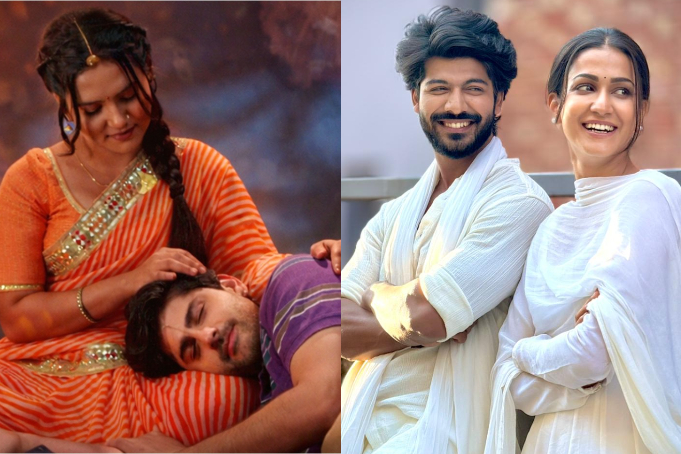
Actor Adnan Khan who plays Vikrant in “Mannat - Har Khushi Paane Ki,” believes that romance can never truly die. The actor who worked on intense love stories like “Ishq Subhan Allah” (2018-2020) and “Katha Ankahee” (2020-2023) feels that writers are dealing with unique challenges in the current milieu.
He states, “I don’t feel that phase is done and dusted. The kind of stories around couples might be different now. “Ishq Subhan Allah” and “Katha Ankahee” were essentially love stories. I am reading good things about “Seher - Hone Ko Hai”, the show is blowing up on social media. I feel romance will always sell. Love transcends time and everything. It is one of the most powerful emotions. Yes, family dramas do better as we are big believers of the joint family system. Those shows resonate in a bigger way across the length and breath of the nation.”
He also feels that Indian makers deviate from the original plot due to multiple reasons. One of them is TRPs while the other is chemistry. “There is no written formula to build perfect chemistry on screen. To achieve that, you need to cast a pair like Sriti Jha and Shabir Ahluwalia (laughs), co-stars who know each other in and out. I feel writers develop tracks to meet the channel's seven-day episode requirements. This means 365 episodes a year. They end up exploring stories of the ensemble cast, due to which romance between the lead pair can suffer,” he explains.
TRPs Playing Tyrant
Abrar Qazi and Sargun Kaur Luthra’s “Yeh Hai Chahatein,” made fans swoon over the lead pair's electrifying chemistry. The makers did not compromise on the steamy quotient either. “I am seeing that more and more makers are deviating from the original premise of the show. Even if there is a small dip in ratings, they will change a romantic story to a family drama or a thriller or what not. In such cases, actors do not get time to get audiences invested in them as the lead pair. This has killed some good romantic plots on Indian TV,” he opines.
Banter Gone Bust
Even creators/writers seem to agree that the Golden Age of Indian TV romance was from 2000 to 2015. They believe that viewers fail to identify with the lead characters written in today’s soaps, which is why romantic tracks just do not click. Filmmaker and writer Hitesh Kewalya who wrote shows like the iconic “Iss Pyaar Ko Kya Naam Doon,” (First Season) “Miley Jab Hum Tum,” (2008 to 2010) and the campus romance, “Humse Hai Life," (2011), shares, “The most important thing for a successful daily soap is relatable characters. They might not be perfect as people but you should identify with the main male and female lead. TV shows are watched by a whole family so they need to bond with the characters and their conflicts. This is more for romance dramas as viewers feel the need to exactly predict what will happen next. “Iss Pyaar Ko Kya Naam Doon,” worked all over the globe because of this and of course, the chemistry.”
He also feels that banter between leads is not given importance in current shows. He cites the example of “Bridgerton” series and even Korean romance dramas. “There has to be a solid give-and-take between the lead couple. The banter works when it is intelligent, flirty or likeable. This is what makes audiences hopeful of them coming together and they dream of finding such a love in their lives. Also, till 2018, there was a sense of homogeneity with how people consumed content. Today, all family members watch different shows under the same roof. The concept of appointment viewing is done with,” he elaborates.
But he too agrees that the second decade of the 2000s was a golden period for romantic shows on Indian TV. “It was indeed the best phase. Later, I branched off to films because I did not get the kind of shows I liked to write,” adds Kewalya.





Comments are moderated. They may be edited for clarity and reprinting in whole or in part in Variety publications.