



May 19, 2026 10:00am IST
news-old-title
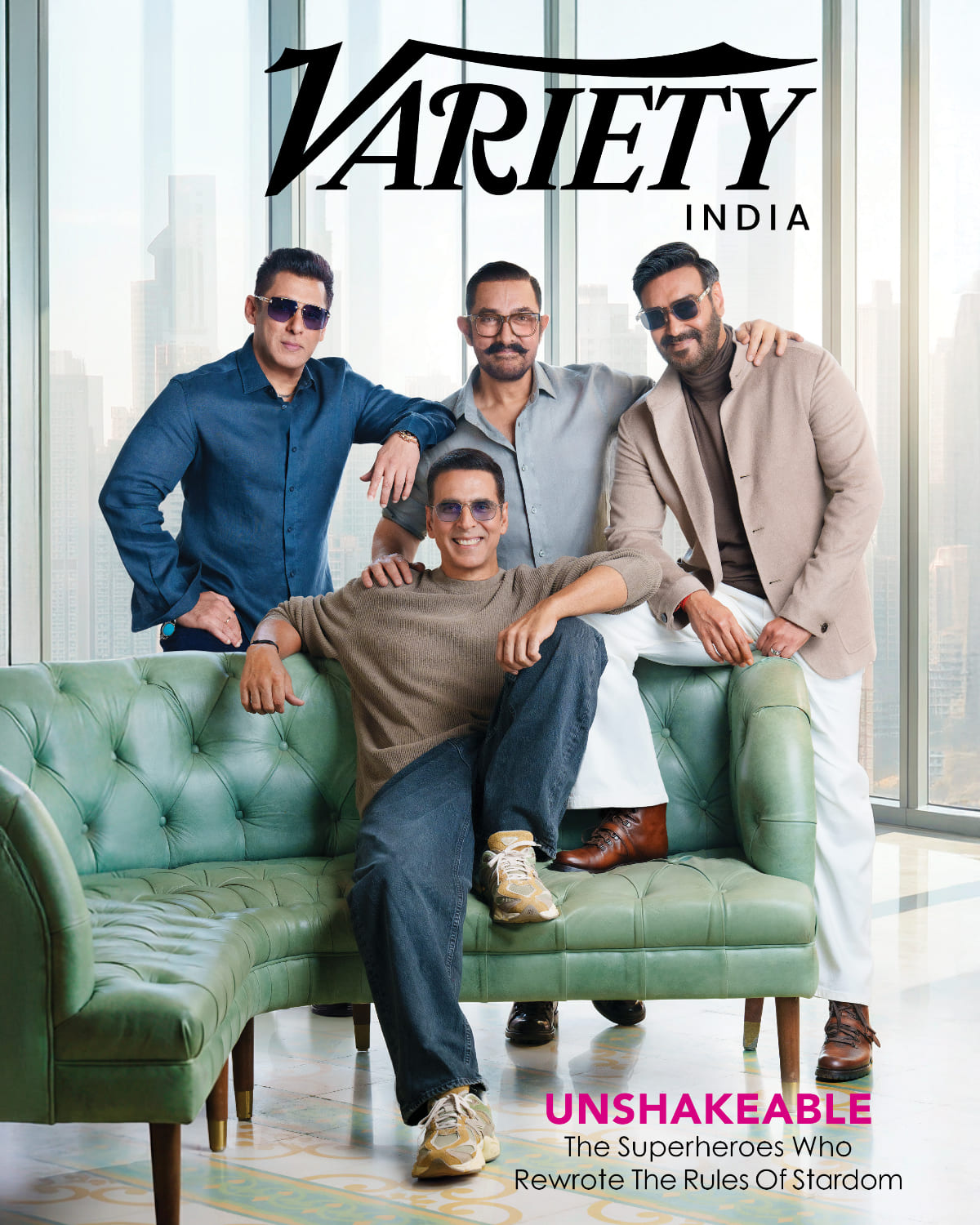
Unshakeable: The Superstars Who Rewrote The Rules Of Stardom


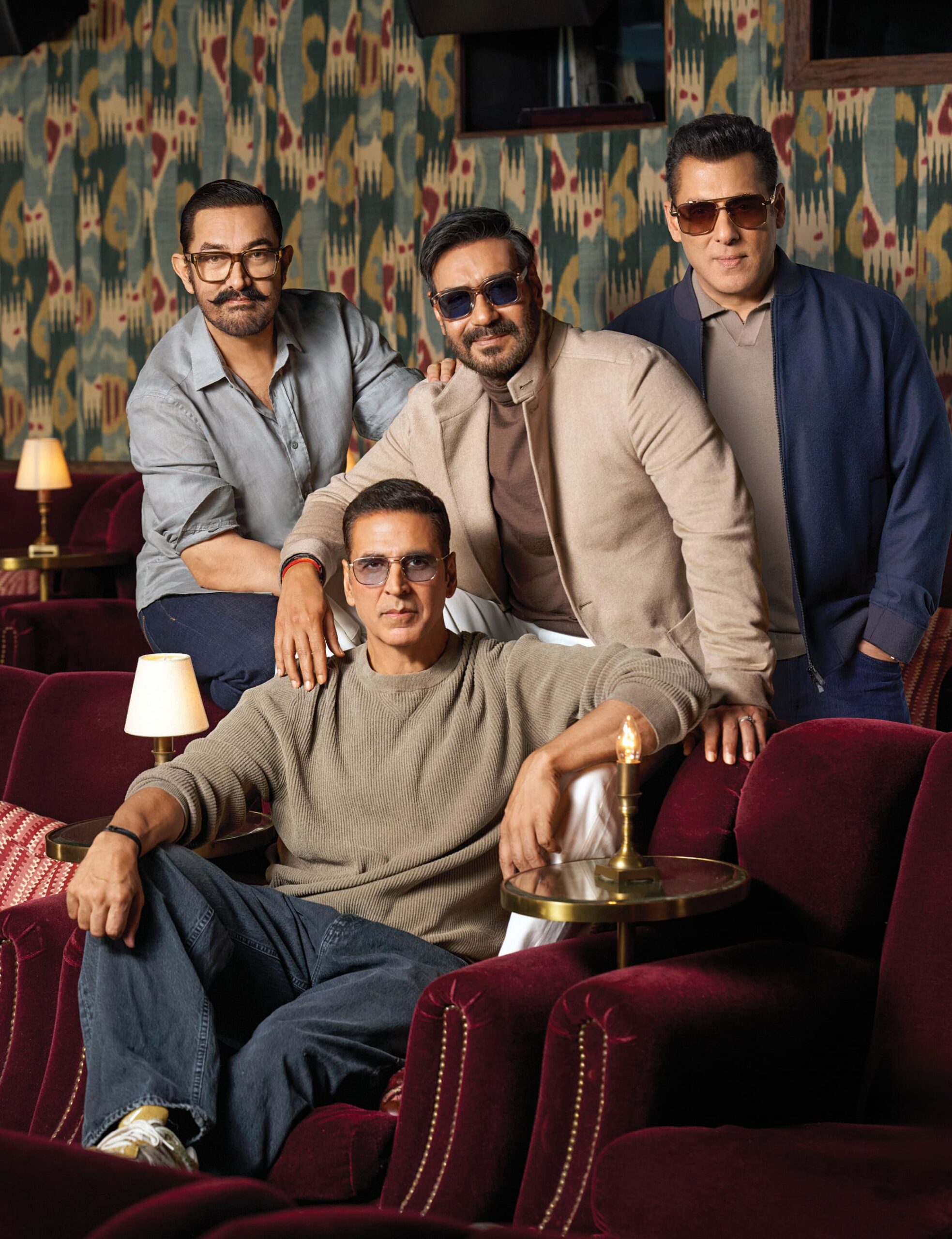
It’s never happened before and doesn’t look like happening ever again a bunch of stars holding their own and ruling the Hindi film industry for almost four decades. The wise industry pundits would say that where films are concerned, a new generation of audience comes in every five years. If that is correct, then this lot of actors has continued to charm and rule almost eight generations of audiences an insurmountable feat across the globe.
Sure, there are actors who have worked for decades at a stretch. What is significant about this lot is that they’re not just working; they’re still the top earners of the industry; they’re still the ones driving the biggest of films; they’re the ones calling the shots.
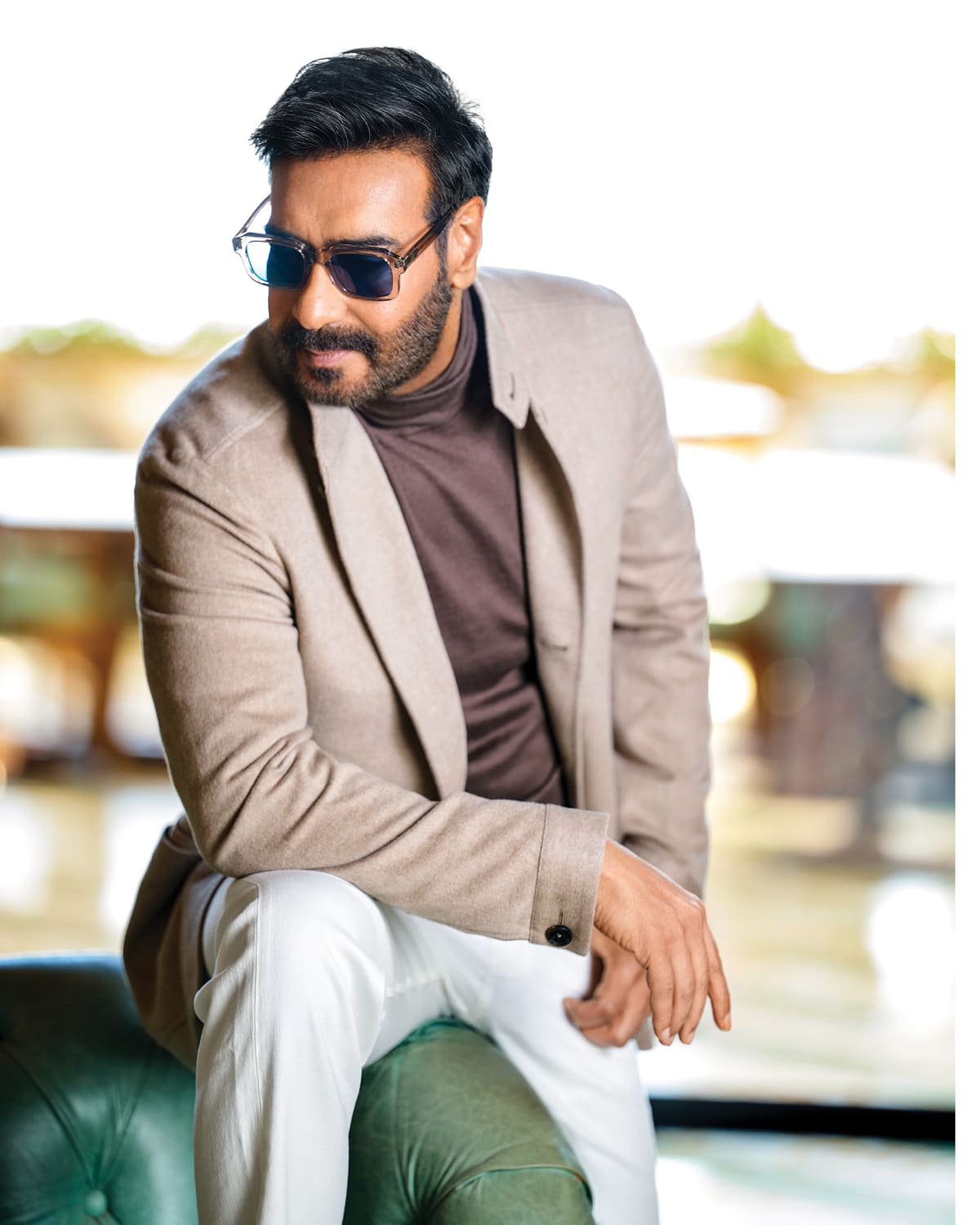
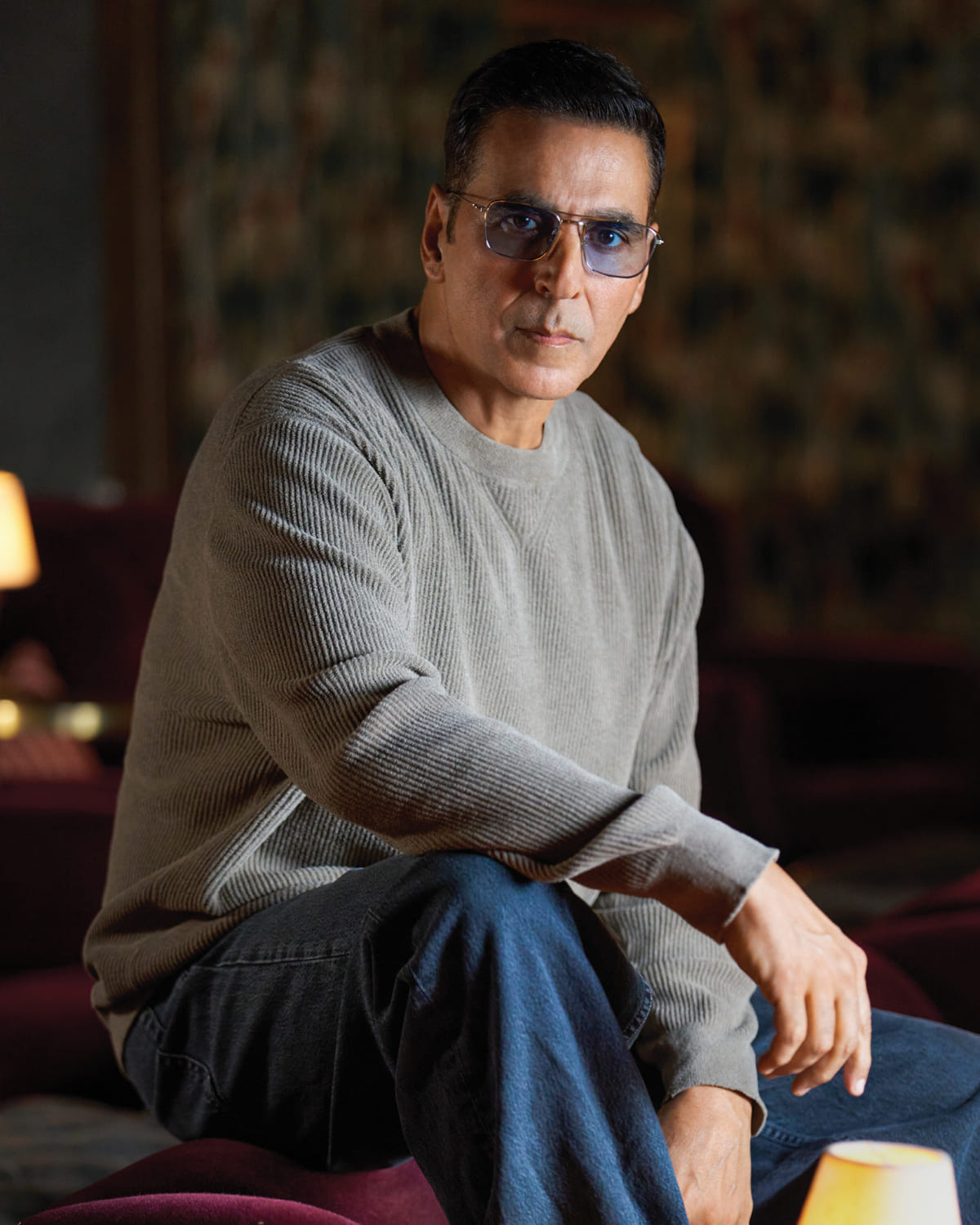
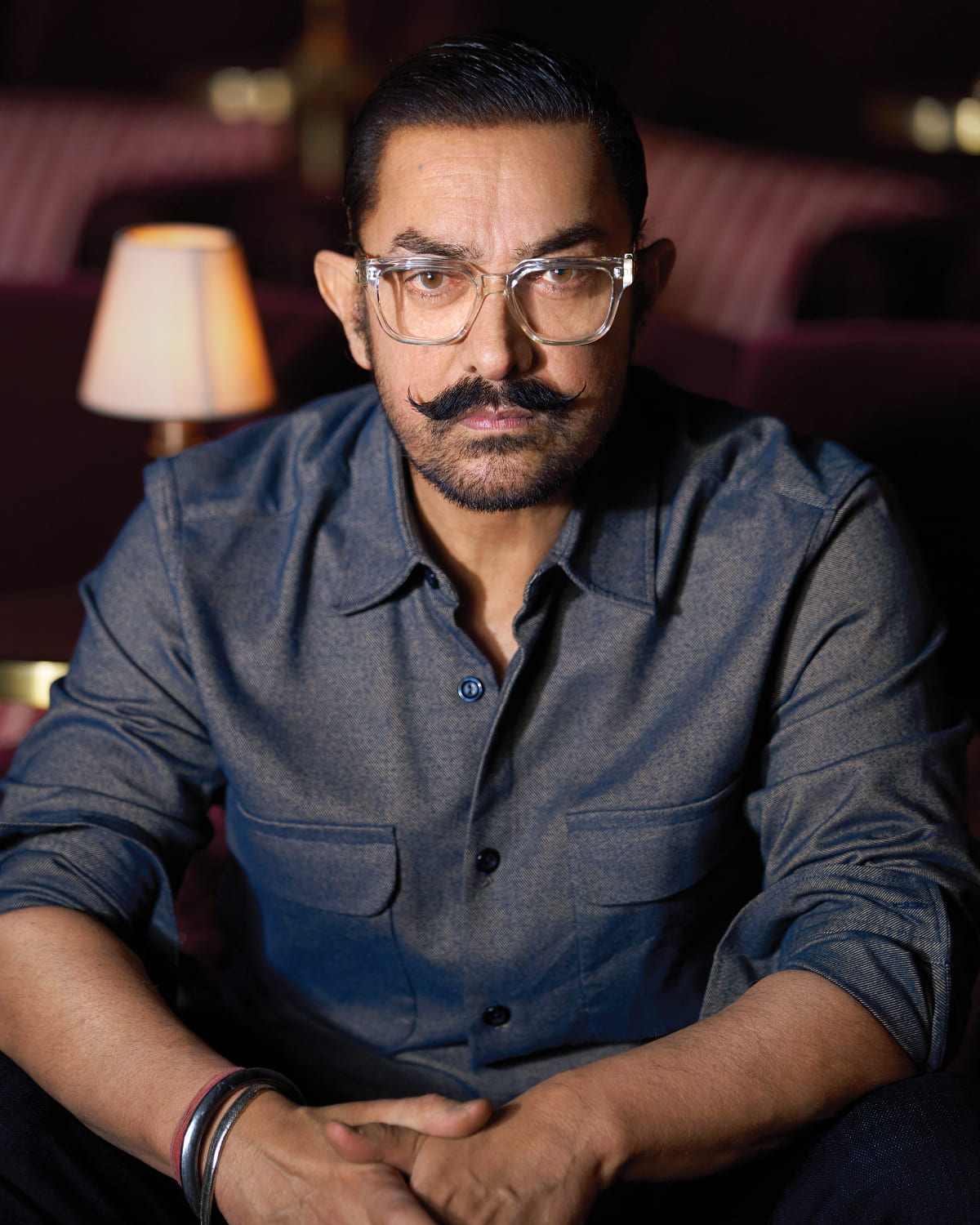
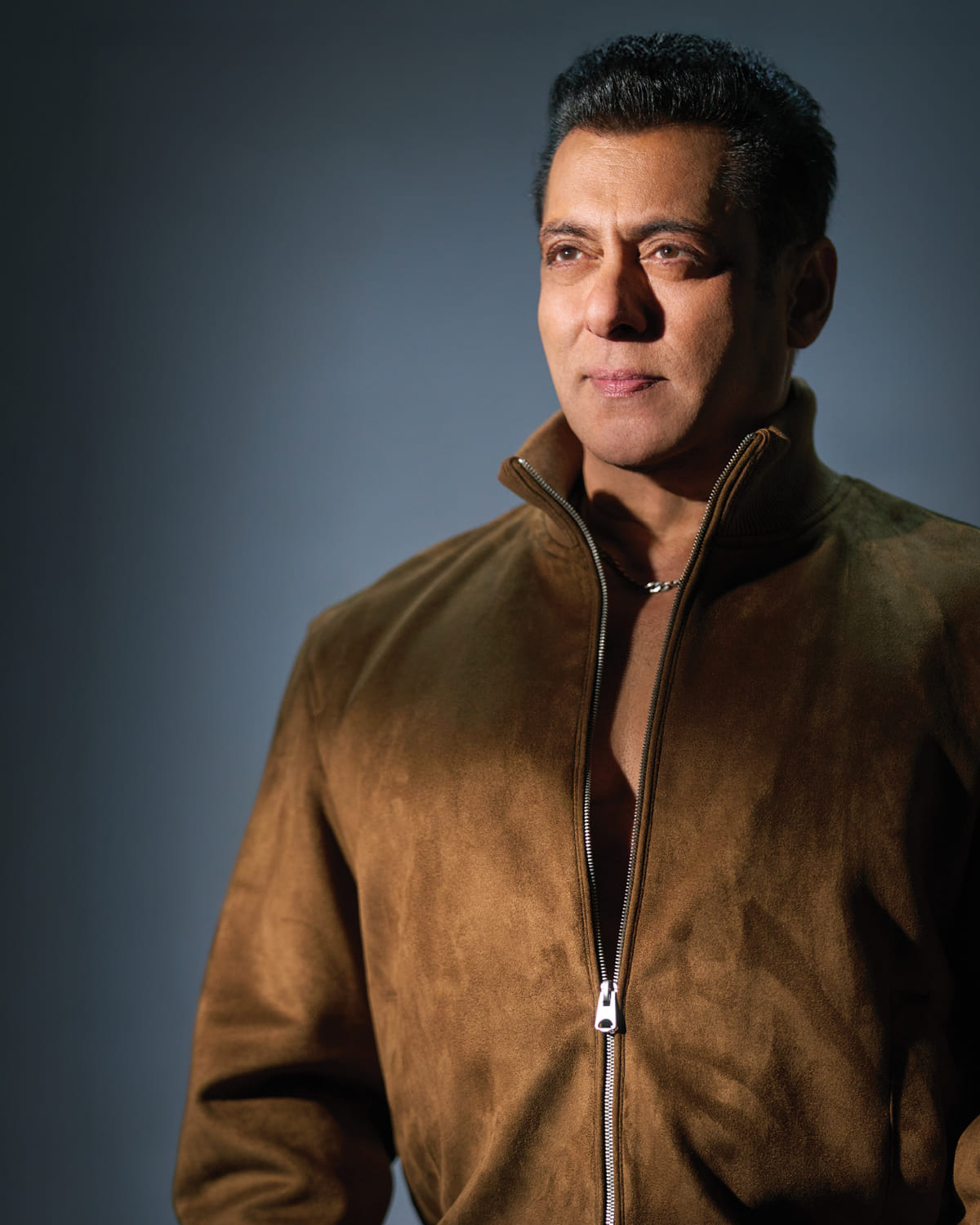
Salman Khan was first seen on screen in “Biwi Ho Toh Aisi” (1988); Aamir Khan debuted as the leading man in “Qayamat Se Qayamat Tak” (1988); Akshay Kumar was launched with “Saugandh” (1991) and Ajay Devgn stormed the screen in “Phool Aur Kaante” (1991).
Going forward, Salman hits the screens in 2026 with “Maatrubhumi: May War Rest In Peace” and Vamshi Paidipally’s directorial and Raj & DK’s superhero project coming up next year. Aamir Khan has “Happy Patel: Khatarnak Jasoos” (in a aspecial appearance) and the in-development “3 Idiots” sequel up next; Shah Rukh Khan with “King;” Ajay Devgn in “Drishyam 3,” “Ranger,” “Dhamaal 4,” “Shaitaan 2” and “Golmaal 5,” while Akshay Kumar brings in “Welcome To The Jungle,” “Bhooth Bangla” (released), “Haiwaan,” “Bhagam Bhag Returns” and Anees Bazmee’s yet untitled film. Collectively, a whopping number of over ₹4000 crore rides on the films of this lot alone. And that’s what makes their presence so critical to this business.
Related Stories
Numbers don’t lie
The 90s heroes continue to dominate the Hindi film industry. The price they command (be it for films, endorsements, openings and even their digital deals) are in a league of their own. The industry and trade consider them the pillars on whom the industry stands and survives.
Their omnipresent authority over the business can be explained by a simple statistic: all of them made their debuts in the late 80s or early 90s. In the 36 years that have followed, only two or three more superstars have managed to survive the test of time. The 90s boys still form the majority.
Thousands of crores have been built around the continued presence of these superstars. Even during prolonged gaps between releases, their brand value does not erode. Distributors still bet, exhibitors still schedule, and theatres still respond. Between them, they will go on to capture the bigger pie of the Hindi film business in 2026. Without even trying, they have reinvented the Hindi picture hero. In no other era, was there a Bollywood leading man in his sixties, romancing the heroine, flaunting six-pack abs, and beating the baddies. That the audience is lapping it up even now shows their resilience at the box-office.
Raj Bansal, a film distributor and multiplex owner from Jaipur, points to a stark reality the trade quietly acknowledges, “We only have eight to ten actors who can genuinely pull audiences to theatres. There is hardly anyone who can replace them. That’s the truth no one wants to say out loud.”
Building a base
The 90s actors lived in a world without branding decks and social media strategies to boost their stardom. Their box-office collections were authentic; they didn’t position themselves strategically or control the media narrative. Their stardom was accumulated through hard work, instincts, experimenting and forging relationships. They didn’t have the best of directors at their disposal; they didn’t have dedicated managers and publicists working tirelessly to woo a fanbase. The industry was not even structured properly when they began acting. There were no contracts, and they didn’t get bound scripts. Many a time, they didn’t even get paid, still they always showed up. No one was chasing money or awards. It was all about the work, not perception. And in their 60s, they still put in the same work, after nearly four decades in the business
Director Sajid Khan says the main thing that separates the 90s actors from the rest that followed is that they built a dedicated audience by literally working round the clock, “Barring Aamir, all other actors from the late 90s were working round the clock and doing six films at the same time. That is what is missing in today’s generation of actors — the ability to do multiple films. That’s why their movies are more about the movies, than about them.”
Director Milap Zaveri adds, “You cannot become a superstar if you do city-centric, critic-friendly, elite films. It’s not possible. To become a superstar, your film has to reach Tier-2 and Tier-3 cities, the smaller towns, the single screens, the mass audience of India. If your film doesn’t connect there, you can never become a superstar.”
The secret sauce
Khan explains, “When these guys came in, Amitabh Bachchan, Dharmendra and Mithun Chakraborty weren’t fading, but they were on their way out after ruling for close to three decades. All the heroes who’ve come in the late 80s and early 90s, like Salman and Aamir, especially, and then Akshay, Ajay and Shah Rukh have a very strong foundation behind their stardom lasting and that is satellite television, and music. The nineties was the era of Nadeem-Shravan, Anu Malik, T-Series, Venus, TIPS – and all of them have so many hit songs and because of satellite television, their songs have drenched B and C, small town centres and India’s heartland completely. If you see even Instagram reels today, eight out of 10 songs are theirs from the 90s. Even today, if you surf Hindi movie channels, out of 20 channels, at least 10 will be showing their films from the 90s. That constant presence keeps them alive in people’s minds.”
Rahul Dholakia, who directed Shah Rukh Khan in “Raees” (2018) believes Hindi cinema’s relationship with stars has always bordered on the religious. He articulates, “India loves gods. Hero worship will never die. We can argue endlessly about content, storytelling and craft, but if the audience has to choose between content and the king, they will go for the king. That emotional instinct is deeply rooted in our culture.
 Hard sell and the selfie problem
Fortunately, for the 90s brigade, when they started, there was no other form of entertainment available – no concerts, no OTT, no IPL, not even mobile phones; and that allowed them to build a bond with their audience and gain a fan base. Also, there was no constant exposure, so the audience always wanted more. They went to the theatres to see their favourite star because they didn’t see them in their day-to-day life at gyms, airports, cafes, film events, launches and weddings. All these appearances killed the curiosity factor, something the older lot has managed to hold on to.
Filmmaker Mudassar Aziz identifies the erosion of mystery as a critical factor. “‘Gadar 2’ makes a dent so massive and big that it places its hero back on top because Sunny Deol is not selling a nail cutter on Instagram for ₹5 lakh per post. Who can I call my star if my star is available on a daily basis six to eight times a day with clothes, without clothes and selling everything from undergarments to chewing gum. Even the 90s stars that have resorted to this thing have seen their stardom taking a hit.”
In the current scenario of content overload, constant exposure and no clarity of audience taste and expectations from them, newer actors are struggling to hit that mark. Despite occasional breakouts, their successes feel isolated. Their failures feel final. They trend, but they don’t endure. Save a Ranbir Kapoor, who has always marched to beat to his own drum, followed closely by Ranveer Singh. (See page 106). Milap opines, “When Shah Rukh sir, Salman sir, Aamir sir, Ajay sir, Akshay sir, and John became big stars, there was no social media to this level. There was no being seen at every event, in the gym, at the airport, and constant posts, videos, stories on Instagram. That has taken away some of the demigod-like status that stars used to enjoy. They have become more human. They have become more accessible. They are in people’s phones all the time. So, I don’t think there will ever be superstars like that of the 90s or even Amitabh Bachchan again.”
What viewers want
Salman Khan’s first superhit “Maine Pyar Kiya” (1991) was a romantic film. However, today, he stands for massy spectacles. Aamir had a Romeo-Juliet narrative in his debut, now he is known for solid dramas and feel-good cinema. Shah Rukh Khan played a hero with shades of grey at the start of his career — “Baazigar,” (1993) “Darr” (1993) and “Anjaam” (1994). And then, for decades, he was the face of romance. Ajay Devgn and Akshay Kumar started off as action heroes but in 2026, they both have their biggest comedy franchises coming up.
The shift in the screen persona of these superstars happened because they listened to their audiences and gave them what they wanted. Their audience felt seen and showed up to see them. Sajid adds, “If someone goes to watch a Salman Khan film, they know what they want. If they don’t get it, they feel cheated. That audience isn’t going anywhere. These stars are doing what people wanted them to do. They were not doing experimental cinema. They are doing mass-oriented Hindi cinema.”
Director Rahul Dholakia points out that these stars intuitively understood one non-negotiable rule. “Their core audience is family. Their films are family films. You can change genres, add violence or romance, but the boundary is always family. They are always the good guys, even when they are bad.”
The uncomfortable truth
If the last few decades have taught us something, it’s this: Actors became superstars. They were not manufactured or put together by a team, like robots in a lab. The 90s heroes worked with any director who came to them with a good idea and the decision was theirs alone.
The irony is now actors have too many advisors. And while they have become accessible to fans on social media, they have turned inaccessible to writers, directors and producers. But social media audience never translates into a ticket-buying audience. Theatrical cinema in India has never been purely transactional. It has always been emotional, habitual and generational. Director Advait Chandan says, “I remember watching “Jo Jeeta Wohi Sikandar” in theatres, then on VHS, then on DVD. Aamir was so good in it that I craved more and more of him. After “Rangeela,” that feeling just kept growing. SRK in “Dilwale Dulhania Le Jayenge” and “Baazigar,” then in “Karan Arjun.” They entertain you so much and that experience stays with you, so anytime they come on screen, you are going for it. As entertainers, they have made us happy. Repeatedly. Almost Pavlovian. We look up to them for happiness.”
 Reinventing themselves
Today, every film is looking to hit a certain opening day figure, a weekend box-office number, and a final lifetime business number. It’s become all about numbers for makers. Therefore, it has become all about the numbers for the audience, when all they should be concerned about, is the film. When the industry stops making it about the business and the star rating, the conversation will also change. The question is whether the industry still knows how to bring in the audience on content, beyond opening weekends and social media buzz. And the bigger question is: will they learn to co-exist? There is a certain camaraderie between Aamir, Salman, SRK, Akshay and Ajay. Between some of them, it could be just on the surface, but where it matters, they are together. They see the business as a whole, which is perhaps the secret of their career longevity.
Chandan adds, “These stars have done countless iconic characters and they’ll keep doing amazing work. Every generation discovers them through a different film. Ten years from now, kids will discover them again. They’re reinventing themselves.”
The unspoken contract
The stars of the 1990s arrived when cinema occupied a singular space in popular culture. There were fewer distractions. Films were shared experiences, family outings, festival rituals and collective memory. This moral familiarity became an unspoken contract with audiences. Director at Aashirwad Theatres Pvt. Ltd., Akkshay Rathie frames it as the difference between celebration and evaluation, “That loyalty has been earned over decades. Through an audience that doesn’t analyse cinema but celebrates it. That doesn’t gorge on performances or dissect narratives, but worships heroes. That kind of relationship doesn’t disappear because of one bad film.” In an era obsessed with post-release verdicts and forensic box-office analysis, that distinction feels increasingly rare.
How stardom was built
Consistency, as the years pass, is being viewed as a virtue, but this was not the case with the stars of the 90s. It was foundational. Rathie is unequivocal about the cost of absence. “This entire strategy where younger actors show up with one film every two or three years is not going to create superstars. Stardom requires repetition, being seen, being remembered, being forgiven, and being returned to.”
It’s not like the three Khans, Ajay and Akshay haven’t had flops. They have had not just bad films, but bad years, but they were allowed to fail and recover in public. A box-office disappointment did not trigger erasure. The newer heroes are not afforded that luxury. And the rivalry is so dark that oftentimes, they are pulling each other down.
Popular on Variety
The ecosystem is dead
Director Mudassar Aziz believes the ecosystem that once produced superstars no longer exists in its original form, “The Aamir, Salman, Shah Rukh, Ajay, Akshay kind of stardom comes from cultural obsession, not from performance alone. I think that is where stardom is at its magnificence. I was 15 years old when ‘Raja Hindustani’ came out. I went looking for that damn black coloured monkey cap I wanted to wear. On one of my family vacations, I actually wore a rope outside my sweater.”
Aziz adds, “I have seen people with the middle parting and that hairdo after ‘Tere Naam’. See, a haircut is a very personal thing. Wearing these clothes is a very personal thing. You tell me, in the last five years, do you find fans who went out of their way to buy a Ranbir Kapoor or Ranveer Singh jacket? This doesn’t mean I don’t appreciate how talented they are. That’s a separate conversation. But because we’re talking about stardom, when was the last time a fan stepped out to say, I want a Ranbir Kapoor-like shoe.”
Love and loyalty
Filmmaker Apoorva Lakhia, who is directing Salman Khan’s next big-ticket release, “Maatrubhumi: May War Rest In Peace,” offers a ground-level view of what superstardom still looks like in practice. Working closely with Salman Khan, he admits the scale of devotion surprised even him, “I always knew Salman Khan was a very big star, but I didn’t realise the quantum leaps of what his stardom actually is. I get messages telling me, ‘It’s my responsibility to do justice to their demigod.’ That’s not fandom. That’s faith. I get around 200 messages on Instagram and WhatsApp, whether I’m getting threats or being cajoled. It’s amusing. I am told, ‘If you make a bad film, I’ll kill you.’ Or ‘If you don’t make a good film, I’ll unfollow you.’ For them, it is their life.”
That devotion, Lakhia argues, is generational and deeply ingrained, “Like toothpaste. When it’s not there, you feel something is missing. That’s how deeply they’re embedded.” Such loyalty, built over decades, cannot be manufactured through campaigns or digital visibility. He recalls how, while shooting in Leh for their film, close to 1500 bikers crashed the sets when they got to know Salman Khan was there. “I’m seeing this first-hand. It is crazy.”
Alternate reality
The younger lot of actors operates in an altered ecosystem. Access to global content, streaming platforms, and an altered attention span has reshaped audience behaviour. Director Tarun Mansukhani believes loyalty itself has shortened. “The next generation moves quickly from one experience to another. The idea of superstardom will evolve. The word itself will come to mean something different,” he shares.
Evolution, however, does not automatically translate into replacement. Milap believes the era of superstardom ends with these heroes, “They are still fit and extremely good looking and they maintain themselves. Be it Shah Rukh sir, Aamir sir, Salman sir, their star power has not waned. In fact, it has only grown stronger. Even though they’re in their 60s. They’re doing roles that befit their age, they’re not letting go of the heroism. Till audiences come to watch them, the industry should be happy.”
The making of a star
Vishek Chauhan says star creation was a process the industry followed brick by brick, “They’re not involved in star creation. Earlier, when an actor was being launched, he would go and learn acting for six months. They would learn to ride a horse, learn to dance, learn to emote. He would be promoted as a young heartthrob, the darling. Now nobody invests like this in newcomers anymore. Now, filmmakers are more interested in developing franchises, IPs and stories. The focus has shifted from star creation at the root of Bollywood. The future is definitely content.”
 Time after time
The absence of a clear plan leaves Hindi cinema in a paradoxical position. It publicly celebrates youth while privately depending on familiarity. Aziz puts it bluntly, “Being a good actor is not stardom. You have to be the heartthrob of millions. That doesn’t happen overnight.”
Lakhia chips in, “You can’t justify comparing a young actor to someone who’s been working for decades as a leading man. Let time pass. I am sure with Ranbir, Ranveer, Vicky, 35 years later, people will ask why they are working. We said it in Amitji’s (Amitabh Bachchan), Rajesh Khanna and Dilip Kumar’s time. Evolution will take place.”
When they eventually step aside, the real test for Hindi cinema will not be who replaces them, but whether the industry remembers how to create belief at that magnitude again. Until then, it remains tethered to its Gods, hoping faith alone can postpone the reckoning. Sajid Khan has the final world, “These stars aren’t going anywhere for at least the next 10 years.”
A big thank you to our community partner Soho House Mumbai for being the backdrop of the inaugural edition of Variety India.
Comments are moderated. They may be edited for clarity and reprinting in whole or in part in Variety publications.