



May 18, 2026 3:00pm IST
Joy Mathew Reflects on ‘Amma Ariyan’ at Cannes: ‘Good Filmmakers Still Smuggle Politics Into Cinema’ (EXCLUSIVE)
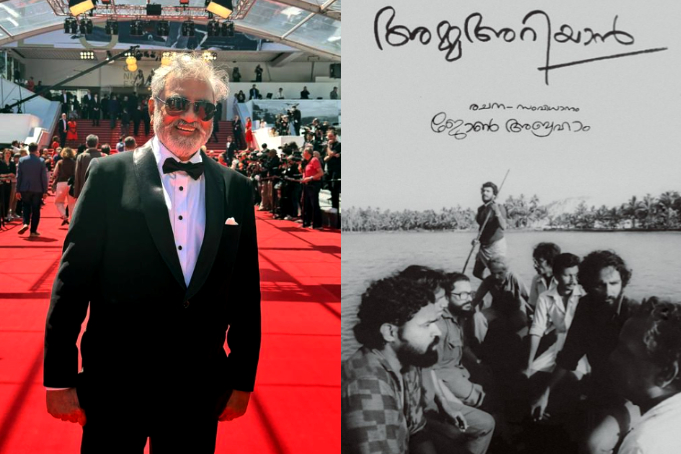
When “Amma Ariyan” premiered in the mid-1980s, it did not emerge from a studio system, a streamer or a carefully assembled market strategy. The landmark Malayalam film was born out of protest, collective politics and public participation. Directed by the late John Abraham under the Odessa Collective movement, the film was famously funded through small public contributions collected on the streets of Kerala.
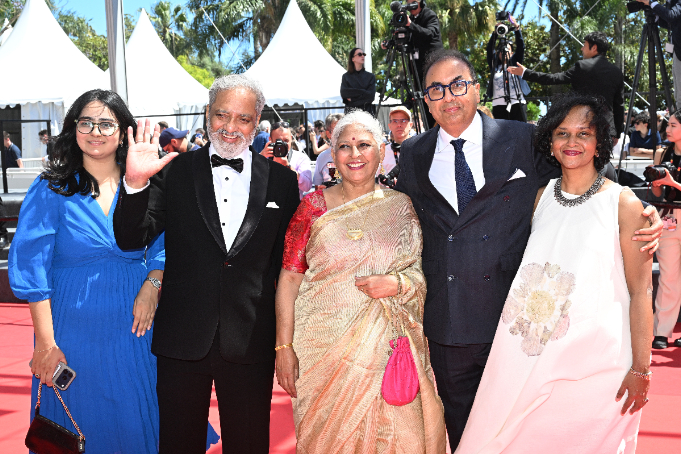
Now, nearly 40 years later, the restored classic has arrived at the Cannes Film Festival as part of the Cannes Classics selection, reigniting conversations around political cinema, artistic rebellion and the changing nature of Indian independent filmmaking. For actor and writer Joy Mathew, who appeared in the film and remains one of the strongest voices associated with its legacy, the return of “Amma Ariyan” feels both celebratory and deeply revealing about the state of cinema today.
“Independent films have strongly pivoted towards a business-first approach rather than activism. Cinema, literature and art earlier came from a space of protest and rebellion. But today, in the world of internet and social media, independent cinema has taken a safer position. The social commitment a filmmaker felt is not as powerful as it used to be,” Mathew tells Variety India.
Related Stories

That shift becomes especially striking in the context of “Amma Ariyan,” a film that rejected conventional storytelling structures and instead documented grief, workers, politics and ordinary lives with raw honesty. The film travelled across Kerala through film societies and community screenings, often reaching audiences far outside urban cultural spaces.
 “The intention of John’s films was never to simplify content or language to make it more acceptable or palatable for a wider audience. The films were honest mediums to project the anguish and despair of the socio-political environment of that time. That honest intention is what has kept the film alive and celebrated across generations and boundaries,” Mathew says.
The Legacy of John Abraham
Few filmmakers in Indian cinema occupy the mythic space that John Abraham does within Malayalam parallel cinema. His films challenged form, rejected commercial grammar and treated cinema as a political act rather than simply entertainment. Mathew believes someone like Abraham could still exist today, but the battlefields would look very different.
“In a world where possibilities were limited, John Abraham could crowdfund and bring life to his vision. Today, with crowdfunding platforms and global streaming platforms, he could probably create more films and showcase them to a much wider audience. But algorithms, trends and state dictated norms of digital censoring will provide new challenges,” he notes.
The actor also reflects on the increasing climate of caution surrounding political storytelling in India. With “Amma Ariyan” returning to Cannes at a time when politically charged cinema often struggles for mainstream visibility, Mathew believes self-censorship has become deeply embedded within the industry.
“Good filmmakers with a good sense will always find ways to smuggle their political views. But such filmmakers are becoming lesser and lesser in present times. Most of them do not want to get caught in this turmoil and lose time, peace and career,” he observes.
‘Careerists, Not Activists’
Malayalam cinema today enjoys unprecedented global visibility. Over the last decade, the industry has earned praise for its writing, performances and grounded storytelling. But Mathew sees a significant difference between contemporary success and the activism that once defined movements like Odessa.
“Malayalam cinema has obviously become technically stronger over the years, but I think it is still celebrated more for the content than the technical scale. Even then, most films are celebrated for the cleverness or smartness of the writing and not because of the political stand or activism behind it. Filmmakers in general have become careerists and not activists,” says Mathew.
He further argues that much of independent cinema is shaped around festivals, streaming platforms and niche urban audiences. “When ‘Amma Ariyan’ travelled across Kerala, screenings were organized so that people from the lowest social strata could engage with the film. It opened minds to a new film aesthetic. Modern independent films may have academic value and wider networks, but they often miss people who do not have access to these spaces. That gap between viewers and filmmakers has shaped the current state of independent cinema,” he says.
Returning Through “Shutter”
After “Amma Ariyan,” Mathew largely disappeared from cinema before returning years later with “Shutter,” the critically acclaimed Malayalam drama that once again carried sharp social commentary.
Decades later, the film continues to survive in public memory while many mainstream successes from that era have faded away. “With Cannes now showcasing the film on such a large stage, I feel rewards and recognition come in different forms. The industry may not have had use for us then, but society clearly had a different say,” Mathew says.
The Cannes restoration of “Amma Ariyan” arrives at a moment when conversations around political cinema, artistic freedom and cultural memory are once again becoming urgent. Through Joy Mathew’s reflections, the film’s return feels less like nostalgia and more like a reminder of what cinema once dared to be.








Comments are moderated. They may be edited for clarity and reprinting in whole or in part in Variety publications.