



Oct 02, 2026 4:37pm IST
Pratik Gandhi on Portraying Gandhi on Stage and Screen: ‘He Was Never Born With the Qualities of a Mahatma’ (EXCLUSIVE)
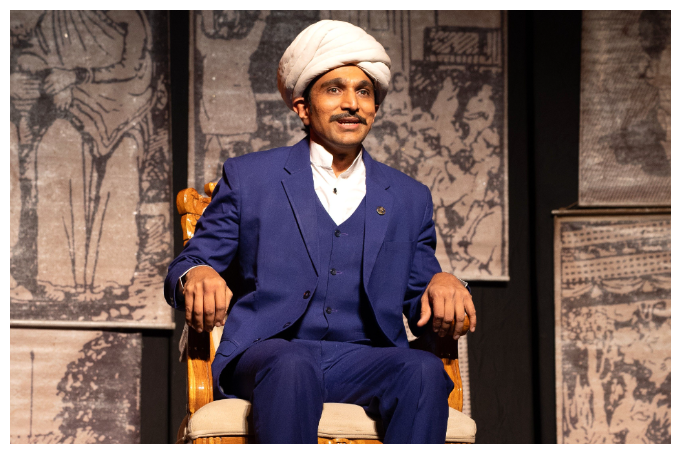
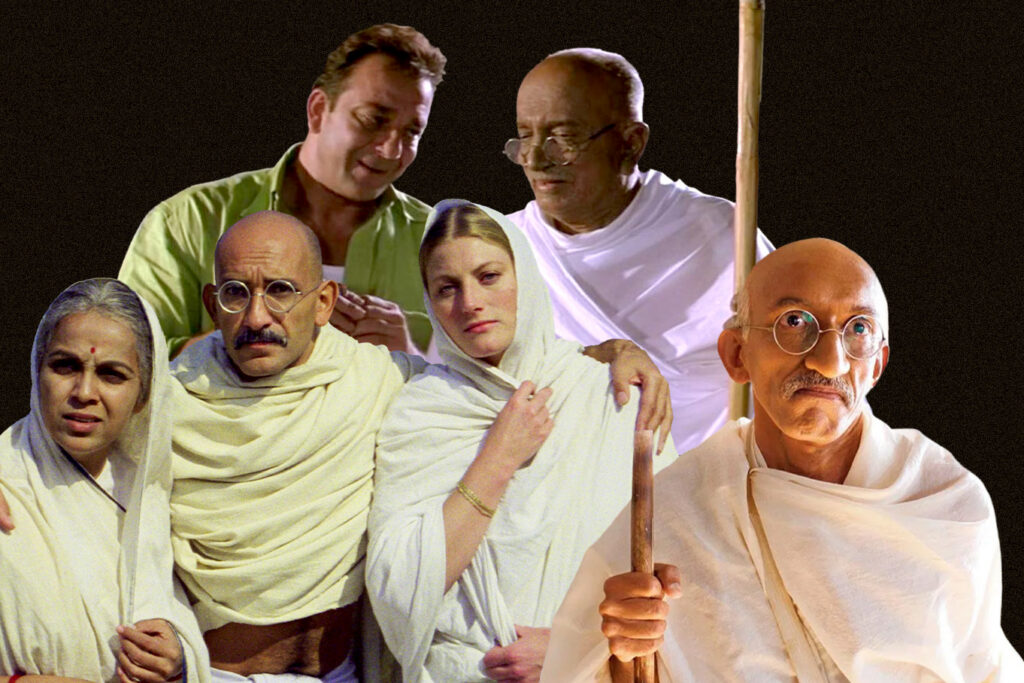
After portraying Mohandas Karamchand Gandhi on stage in the play “Mohan No Masalo” for nearly a decade, Pratik Gandhi now takes the journey to the screen in Hansal Mehta’s ambitious series “Gandhi.” In a conversation with Variety India on Gandhi Jayanti, he says portraying the Mahatma has been less about imitating an icon and more about discovering the complex, fallible human being behind one of history’s most recognizable figures.
What does portraying Mahatma Gandhi on stage or screen feel like?
I feel portraying Mahatma Gandhi is a once-in-a-lifetime opportunity for any artist. Unknowingly, I had been preparing for this character for the last 10 years because I had been performing Gandhi on stage since 2015–16, almost 10–11 years now.
Which aspect of his personality was the hardest to portray or understand?
I think different people understood him in different ways. His strength and persuasive nature were also interpreted as stubbornness and a refusal to listen to anyone. I feel we all live with this dilemma and this particular contrast every day. Like, there are certain decisions I make in my life, and my family says I am very stubborn and unable to see the other side. Sometimes you really know this is what you want to do and what is right for you. So, there are stark similarities between what he lived on a larger scale and what we all live on our smaller scales, maybe smaller canvases.
The sacrifices he made are beyond imagination. At one point, he thought nothing came before his country; nothing came before his larger goal. That made him a bad father and husband, maybe, in a lot of people’s eyes. So, this whole contrast in his personality makes him absolutely human.
And that actually gives me another thought: he was never a born Mahatma. He was never born with the qualities of a Mahatma. He could create Mahatma through all his failures, through all his fears, through all his mistakes. So, that kind of capability and those possibilities and opportunities are there for all of us. How many of us can become Mahatma? (laughs)
Related Stories
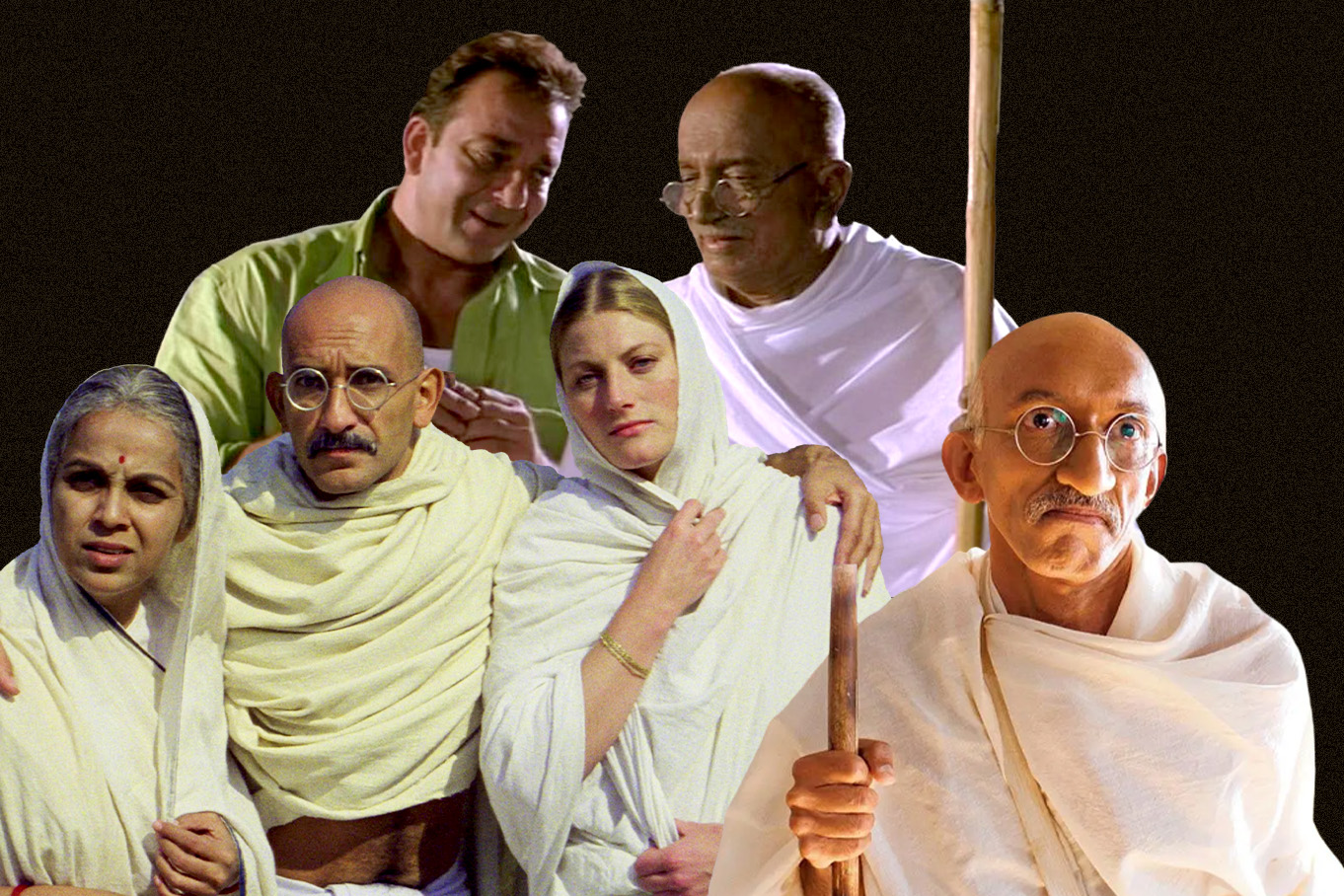
Was there any photograph, speech or incident that changed the way you looked at Gandhi?
I still remember his photograph and one of his quotes when I was performing this play, which I read somewhere. He loved dressing up. When he was in London studying, he loved dressing up. He said, “I used to wear Gladstonian collars.” He loved impressing people with his dress and costume. He wanted to be a part of that culture. He even wrote to his brother in his first or second letter, “I have never seen a more cultured and welcoming country like the UK. People are so open, everybody is equal here.”
But when he saw the complete opposite side of the Britishers and their atrocities in Africa, his perspective changed. The transformation of a person who loved dressing up so much as a youngster of 20–21 years, leaving everything and starting to wear only a white dhoti - that’s it. That’s a huge change for anyone. It’s not an easy thing to give up. But imagine what must have been happening inside his mind for his goal to change. He took on a bigger goal in his life where none of these things mattered.
Having portrayed Gandhi for so long, what quality of his do you find yourself reflecting on in your own life?
I think I have seen this Gandhian approach in my family since childhood. I come from Surat, and all my family members are teachers. So, that minimalistic lifestyle and simple approach to life is what I saw since childhood. But as I started reading about him and performing Mohan, it strengthened my belief in that simplistic approach to life.
That minimalism, in today’s time—whether you read Japanese books on Ikigai and all those new-age lifestyles people go gaga over—that’s what Gandhi lived. As I began to understand the power of simplicity, it made me believe even more in what I had seen since childhood. Even as an engineer, I was always a fan of a simplistic process approach and simplistic design. Simplicity is the biggest virtue we can have.
Gandhi was powerful without having conventional power. What is your take on that?
I think the answer lies in these two lines: “Power does not come from physical strength; it comes from an indomitable will.” Will has no shape, no six-pack, no muscles. It doesn’t come in any particular gender, caste, community, or color. Willpower can make you so powerful that you can even move mountains. He actually did in the world! So, I feel the world needs more Gandhi now than ever before.
When did you first realize as a child that you shared your surname with Mahatma Gandhi?
Oh, I remember that! People used to call me “Gandhi Bapu” in school. As a kid, I’d get irritated. But my father used to tell me, “You don’t know the power of this surname. You don’t know who he was. People compare you to somebody you don’t even know. Read about him, think, and then you will thank your surname!”
What is the one thing that today’s generations can learn from Gandhi?
Gandhi said, “My truth will change every day with my experience of life.” It says a lot about a person—that he is ready to acknowledge his mistakes and say, “Okay, I was wrong here.” Acknowledging your mistake is the first step to setting it right. Unless you acknowledge it, you will never set it right. That is needed in today’s world for all generations, not only the younger generations.
What is the status of your series ‘Gandhi’ directed by Hansal Mehta?
It’s in the final stage of post-production. People will get to know the platform and release date soon.
How big is the difference between playing Mahatma Gandhi on stage versus on screen?
There is a big difference. The play “Mohan No Masalo” is a monologue where I am the only one on stage for 100 minutes, talking about young Mohandas Gandhi up until he was thrown off the train. But adapting that into a series changes the canvas completely. A web series is a longer format that takes you deeper into the character from a 360-degree perspective. In the web series, we cover his lifespan from age 18 to 45 in the first season—a huge journey from Porbandar to Rajkot, London, back to Porbandar, and then Africa.
What kind of impact did playing Gandhi have on you?
Gandhi as a character has helped me improve a lot of things in my personal life, my thought process and my approach toward life. It made me calmer, more reflective, and more patient.




Comments are moderated. They may be edited for clarity and reprinting in whole or in part in Variety publications.