



Oct 15, 2026 8:05pm IST
Prahaar Review: Rajkummar Rao’s Starrer Reopens 26/11 Wounds: A Gripping Look at Ujjwal Nikam’s Fight Against Kasab
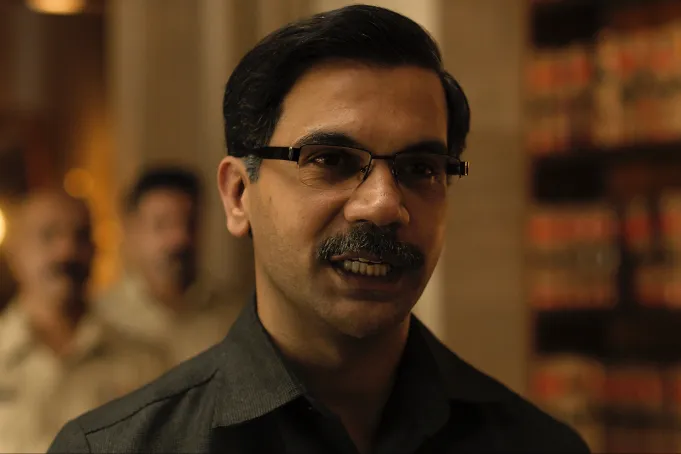
How does one review a film that unearths one of the darkest chapters in a city’s history? When a film chronicles a natural disaster, it can offer a sense of collective solace; those tragedies, while devastating, are ultimately unavoidable. But stories born out of human hatred — like this painful piece of Mumbai's past — are entirely different. They reopen self-inflicted wounds, forcing us to confront a man-made horror that reshaped lives forever.
Going in questioning if this story needed to be told; an hour into the film, I started to accept that such films can perhaps serve as a monument to human resilience rather than a spectacle of violence. Cinema can also function as a form of collective catharsis, by respecting the dignity of the victims and focussing on the triumph of truth in the courtroom.
Related Stories
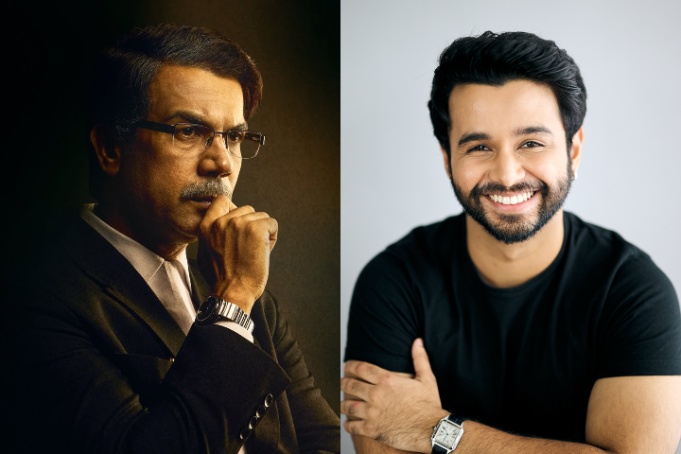
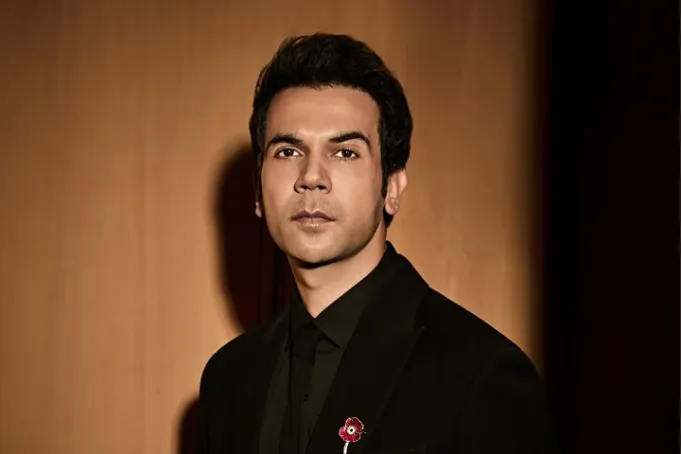
Produced by Maddock Films and directed by Avinash Arun, "Prahaar" is a harrowing watch. The firing scenes are so true-to-life, they are deeply upsetting. As someone who was in the newsroom with access to real-time updates as the incident unfolded, I had mixed feelings about revisiting the painful memories of that night when the city was bleeding. However, the film masterfully draws you into its disturbing world.
While the courtroom segments are accomplished and non-exploitative, the domestic drama surrounding Nikam acts as a heavy roadblock. The film constantly tries to drive home how much he neglected his family and strained his relationship with his son and neglected his wife, played by Wamiqa Gabbi. What could have been a gripping, white-knuckle historical ride instead feels emotionally manipulative due to this drama. Given the sheer enormity of the case, these domestic grievances feel entirely inconsequential — even if the film attempts to justify them early on by showing Nikam receiving news of the terror attacks right in the middle of his daughter’s wedding. This material didn't need to be sensationalized or sentimentalized.
Instead of falling into the trap of blind hero-worship, the film smartly keeps its narrative focus on the story penned by Sumit Roy, rather than just serving as a tribute to its protagonist, Ujjwal Nikam. While the dialogue occasionally lapses into unnecessary, crowd-pleasing theatrics, the film’s philosophical anchor lands perfectly with its definitive line: "It is sad that justice delayed is justice denied, but I say justice hurried is justice buried." The performances anchor this thematic weight beautifully.
Popular on Variety
Rajkummar Rao delivers a powerful, deeply disciplined performance, never breaking character. Meanwhile, Wamiqa Gabbi maximizes her limited screen time; she deserves immense credit for taking on a character twice her age and portraying her with a quiet, grounding dignity.
The film benefits immensely from a powerhouse supporting cast. As Kasab’s lawyer, Sikandar Kher provides a grounding sense of gravitas, while Lalit Prabhakar as Kasab, succeeds brilliantly in the unenviable role of playing India's most despised villain. He shines in the scene when Kasab is shown the dead bodies of his friends, as well as during his climactic confession scene.
The emotional weight is further elevated by a stirring monologue from the surviving cop present in the van when Salaskar was martyred. Finally, Jaideep Ahlawat delivers a winning performance as the lawyer from Pakistan, highlighted by a genius addition involving a Sahir Ludhianvi line.
Rao’s closing argument as Nikam would have been more powerful if delivered with contemplative restraint rather than as an angry tirade, choosing thoughtful reflection over dramatic entertainment.
In conclusion, the movie, no matter how heartwrenching, is superbly precise and you might have to lie down in a dark room later to recover.












Comments are moderated. They may be edited for clarity and reprinting in whole or in part in Variety publications.