



Jun 12, 2026 8:00pm IST
Malayalam Cinema Has 808 Theaters but Not Enough Audiences: Why Release and Screening Schedules Need a Fix
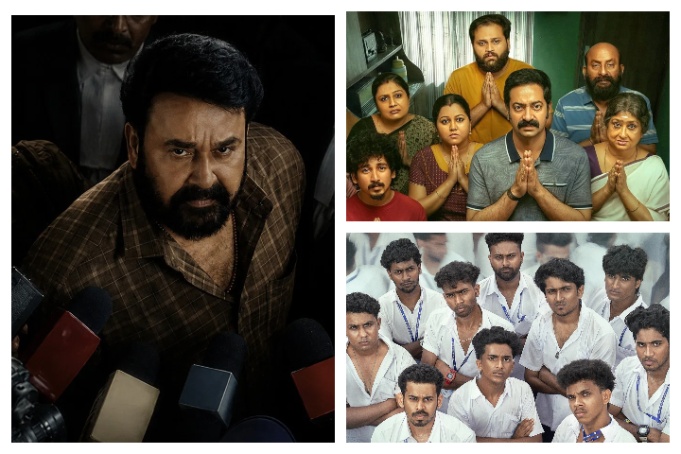
The Malayalam film industry boasts quality films, but needs an overhaul to streamline operations. Thanks to recent superhit films like “Aadu 3,” “Vaazha II,” “Mohiniyattam,” “Athiradi” and “Drishyam 3,” theaters in Kerala saw robust occupancies. According to the FICCI EY 2025 report, Kerala added 36 new screens (a 5% increase) in 2024. In its 2026 study, the FICCI report states that 27 new theaters were added in 2025, bringing the state’s total to 808 theaters.
Theaters not enough
Even though new theatres have opened, the business of film distribution and exhibition has been anything but smooth and seamless. With changing viewership patterns, filmmakers face a challenge in bringing audiences to theaters on a film’s opening day.
Release mess
Saiju Kurup’s 2025 movie “Abhilasham” was released on the same day as Mohanlal’s “L2:Empuraan.” Similarly, Siju Wilson’s medical thriller “Dose” was released on the same day as Mohanlal’s “Drishyam 3.”
Changing times, new trends
These days, the audience is keen to catch a hyped movie or one with massive expectations from Day 1, regardless of the theater’s reputation. “We can’t stop this trend. People will try to watch a film like “Vaazha II,” which has received a good response on Day 1, from any theatre in their vicinity. This trend will surely help the producer get his returns in record time, say, a month or two after the film becomes a hit, says Shimji, a Kerala-based theater owner and FEUOK member (Film Exhibitors United Organization of Kerala).
Citing the example of the first film in the “Drishyam” franchise (2013), Shimji says that theaters then were few in Kozhikode and the Mohanlal-starrer was shown in only two theaters in the city. “The movie ran for 117 days in my theater (Kozhikode district). But now ‘Drishyam 3’ has been released in multiple theaters and can be screened for four to five weeks only because by then, everyone would have managed to watch it,” he shares.
Related Stories


A proper release plan is important
What about a small film releasing alongside a big-budget film? Shimji says that producers and distributors should not release their small movie when a big-budget film has announced its date. “If they really want an audience, they must definitely look for another release date when big films or hit films aren’t active in theaters.”
In the present scenario, people tend to watch films that receive a good response in their initial days. “For example, ‘Mohiniyattam’ had only 40 people on its first day in our theater, but as it started getting rave reviews, the audience increased day by day. But the issue is that the movie released a week after ‘Vaazha II’ (April 2), which was a successful film. Theaters were flooded with ‘Vaazha II’ audiences and couldn’t give space to ‘Mohiniyattam’ initially. Tovino Thomas’s big-budget film ‘Pallichattambi’ and Kunchako Boban’s ‘Oru Durooha Sahacharyathil’ were also released on April 15 during Vishu. In such a scenario, theaters give preference to big films,” Shimji notes.
What is the solution?
According to Suresh Shenoy, Managing Partner of Kochi-based Shenoy’s Cinemax, the solution lies in better coordination among producers themselves. “Producers know which films are lined up for release, and they should have a proper understanding in this regard. There should be at least a one-week gap between major releases. It is not a good idea to have two or three big films releasing on the same day,” he explains.
Shenoy points out that around 15–20 years ago, producers, distributors, and theater owners had collectively agreed on certain release norms. “At the time, it was decided that only two films should be released in a week. During festival seasons, up to four films could be released. This was during a period when there were fewer theaters than there are today. However, within a month, all these rules were disregarded,” he shares.
Shenoy stresses the need for mutual understanding among producers regarding release dates. According to him, imposing restrictions alone will not work, and a practical solution can only emerge through consensus.
When asked about small-budget films opting for wide releases (in the maximum number of theaters), Shenoy says such films should avoid being showcased on multiple screens. If the film fails to generate positive word-of-mouth, he says, show cancellations and screen reductions can severely affect its performance. He cited the example of “Mohiniyattam,” which did not opt for a massive release on Day 1. With the film receiving positive audience response, additional screens were allotted in the following days.
Big films versus big films
The real issue is not just that the uncertainty over the release dates of big films affects small films; increasingly, big-budget films are also impacting the prospects of other major releases. A recent example is “Drishyam 3,” which was released on May 21. The film was initially scheduled to hit theaters on April 1, but the producers postponed its release. The producers of the big-budget movie “Kattalan” had earlier stated that they would release their film only a week after “Drishyam 3” because it was a big film. Similarly, “Mollywood Times” shifted its release from May to June 5.
Manufactured hype helps mediocre films
Malayalam filmmaker Arun Bose feels that, “It has come to a point where films with questionable merit can also collect revenue in their initial days as a result of this buzz. It’s a huge responsibility for the filmmaker to make a good movie.”















Comments are moderated. They may be edited for clarity and reprinting in whole or in part in Variety publications.