



Jul 04, 2026 4:01pm IST
‘Confessions II’ Proves Why Madonna is Still the Blueprint For Dance Music: Album Review
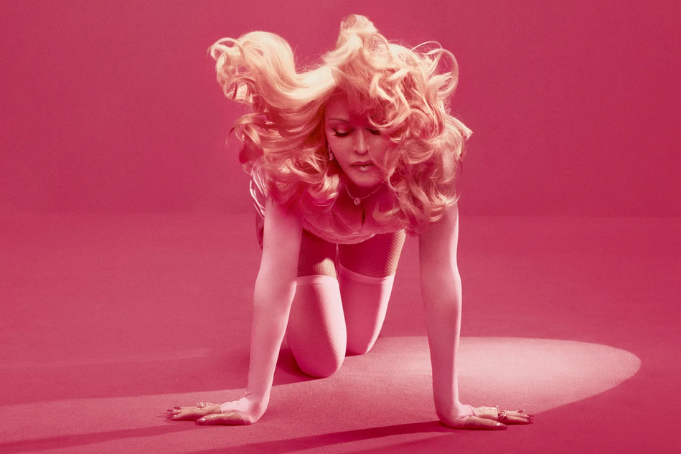
A few years ago, while promoting an album, Madonna famously called Lady Gaga “reductive.” The remark sent the word to the top of Google’s most-searched terms. If there is one word that defines her latest album, “Confessions II,” the long-awaited follow-up to 2005’s “Confessions On A Dance Floor,” it is “brave.” Reuniting with collaborator Stuart Price two decades later to revisit one of the most celebrated dance records of the century is a risky proposition. Nostalgia rarely lives up to memory. But then, this is Madonna. The artist has spent four decades rewriting the rules of pop, arriving at 67 sounding less like she’s looking back and more like she’s beginning again.
Here’s a breakdown of every track on the album…
I Feel So Free: The opening track immediately sets the tone for the album’s new era. An ode to the dancefloor, it is irresistibly catchy while doubling as a declaration of Madonna’s sanctuary. She confesses that the dancefloor is where she feels truly free. More than 40 years into her career, there is little debate that ‘Her Madgesty’ is not just the Queen of Pop, but someone who paved the way for pop stars like Sabrina Carpenter and Dua Lipa.
Good For The Soul: “Good For The Soul” shifts inward. Madonna reflects on the little things that nourish the spirit, from dancing in the rain to embracing planetary alignment. It is steeped in self-love and wellness without becoming preachy. The production stays restrained, allowing the chorus to shine. The way she enunciates the word “soul” recalls the “Erotica” era. She may never have possessed the vocal range of Mariah Carey or Whitney Houston, but few artists deliver words with Madonna’s precision and personality.
One Step Away: The spoken introduction establishes the dancefloor as a threshold before the beat builds. Price wisely lets the song simmer rather than race toward its payoff. The bridge delivers an emotional release. It feels tailor-made for the final stretch of a brutal treadmill session, with Madonna reminding you that freedom is only one step away.
Bring Your Love: The playful chemistry between Madonna and Sabrina Carpenter is apparent from the opening seconds. The way they exchange each other’s names is effortlessly seductive. While it is not an earth-shattering pop collaboration, it is an enjoyable pairing that gives the album’s middle section fresh energy.
Danceteria: If 2026 had its own version of “Vogue,” this would be it. Madonna sounds completely at home, gliding through the track with an infectious sense of freedom. The production carries unmistakable ’80s DNA, while the speak-sing passages are among the album’s biggest highlights. No one understands dance-pop quite like the woman who helped define it.
Related Stories

Read My Lips: The opening immediately recalls “Isaac” with its Middle Eastern influences. The song leans more on lyrical wordplay than explosive production, but its final stretch bursts into life with Spanish-inspired rhythms and addictive hooks. Feid proves to be a smart collaborator.
Everything: The lyric “your words have no meaning” feels like a direct callback to Bedtime Stories, one of Madonna’s most underrated albums. This is an unapologetic statement of defiance. The uptempo production complements the attitude perfectly, while Stuart Price’s arrangement evokes flashes of Ray of Light. Sonically, it is among the album’s strongest moments.
Love Sensation: Perhaps the album’s weakest track. It feels less adventurous than the rest of the record, with a chorus that leans heavily into Kylie Minogue territory without ever quite escaping its shadow.
Love Without Words: Part trance, part house, this is Madonna inviting listeners to surrender to the music rather than the lyrics. The atmosphere is immersive, even if the song never quite reaches the emotional heights of the album’s standouts.
Bizarre: Love has rarely sounded this glamorous and unsettling. Martin Garrix delivers the soaring festival-ready production he’s known for while giving Madonna ample room to command the spotlight. Exploring Hollywood, paparazzi, fame and heartbreak, it is one of the album’s most captivating tracks.
School: Madonna’s classroom is one built on curiosity. “School” is a surprisingly fresh addition to her catalogue, embracing themes of growth and lifelong learning. The production feels adventurous, contemporary and refreshingly left-field without losing her identity.
Popular on Variety
Fragile: The reference to The Prodigy’s “Firestarter” is impossible to miss. Beneath it lies one of the album’s most intimate songs, reflecting on the loss of her brother. Madonna rarely sounds this exposed, making “Fragile” one of the record’s emotional peaks.
My Sins Are My Savior: French lyrics open this melancholic slow burn, which also nods to “Ray of Light.” You don’t need to understand every word to appreciate its mood. It unfolds patiently, allowing its emotion to linger.
Betrayal: The album’s most stripped-back and emotionally raw moment. Moving away from the dancefloor, Madonna explores heartbreak with remarkable restraint. Loneliness looms over every lyric, making it one of the record’s most affecting songs.
The Test: A full-circle moment arrives with a duet featuring her daughter, Lourdes Leon. While “Ray of Light” celebrated motherhood, “The Test” reflects on growing up under relentless public scrutiny. It is one of the album’s most personal and poignant conversations.
L.E.S. Girl: The closing track gently pulls the curtains down. Nostalgia runs throughout the album, but nowhere more than here as Madonna revisits the streets of New York that shaped her. Few artists romanticise New York with the same affection and authenticity. A fitting farewell.
Standout Tracks: “I Feel So Free,” “Danceteria,” “Bizarre” and “Fragile.”
Closing Verdict
“Confessions II” isn’t interested in reinventing Madonna. It reminds us why she’s pop’s greatest architect. Equal parts euphoric dance record and deeply personal diary, it balances nostalgia with enough invention to feel contemporary rather than retrospective. Not every experiment lands, but even its weaker moments carry the confidence of an artist who has never followed trends. After four decades of changing pop music, Madonna isn’t chasing the future. Once again, she’s pointing the way toward it.












Comments are moderated. They may be edited for clarity and reprinting in whole or in part in Variety publications.