



May 17, 2026 12:00pm IST
‘Kartavya’ Review: Saif Ali Khan Holds Up A Film That Strictly Does The Bare Minimum On Duty
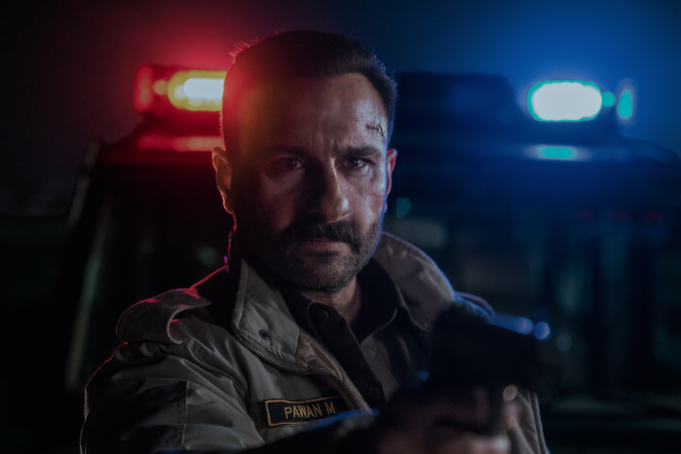
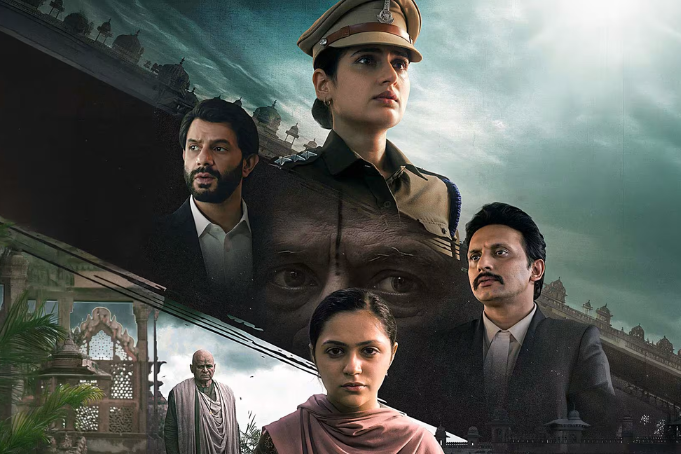
In “Kartavya”, Saif Ali Khan is Pawan M, the SHO of Jhamli, a small town in North India that’s been seen countless times before in this genre. He is a loving husband, father, and elder brother. He is a tolerant son to a father, Harihar (Zakir Hussain), who upholds caste pride and runs with a khap panchayat that endorses honor killing, even of his own son, for marrying outside the caste.
Whether Pawan is a good cop is questionable because the journalist he is tasked with protecting is gunned down on his watch. But an honest man trying to do his best, Pawan definitely is. He demands a week from his senior, Keshav (Manish Chaudhari), to file a chargesheet. Assisted by his junior, Ashok (Sanjay Mishra), Pawan attempts to track down a 16-year-old boy (Yudhvir Ahlawat) accused of the murder, as well as question the involvement of a powerful local spiritual leader, Anand Shri, whom the murdered journalist was investigating.
Related Stories
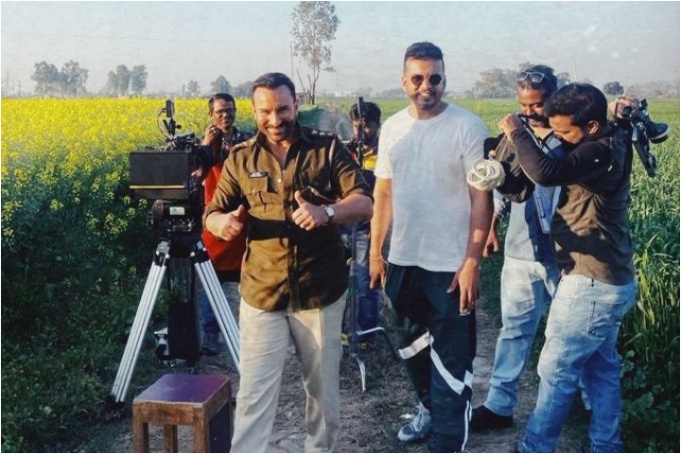

Stripped to the bare bones, “Kartavya” is effective as an Indian crime drama because it does what it set out to do and says what it wants to say with surgical precision. Saif Ali Khan’s Pawan is a study in restraint. His character goes from a simple family man who goes to work every day to someone pushed to the edge for simply trying to do right by his duty to his work, the society he lives in, and the people he loves. Sanjay Mishra, Rasika Dugal, Zakir Hussain, Manish Chaudhari and, particularly, the young Yudhvir Ahlawat as Harpal, are competent supporting acts to Khan’s Pawan.
And yet, “Kartavya” feels thin in its execution, as if it didn’t have enough ambition to do more, like the employee who is happy doing the bare minimum at work because the prospects are that bleak. The film doesn’t want to explore the depths of its protagonist or antagonist, or even add dimensions that would lend to any emotional or spiritual dilemma for the hero when he’s up against a “chakravyuha” devised by his own people to defeat his efforts. It’s as if the film says, “How does it matter? Pawan is the everyman. And this is what it has come to for every man.”
Pawan comes from a place that’s rampant with caste discrimination, patriarchy, corruption and every social evil you could conjure up. And yet, how he turns out to be this moral policeman with a work ethic, who is gentle with his wife and son and denounces the rigid mindsets of his father, remains a mystery that the film doesn’t want to even touch upon. Even if you take Pawan at face value, why this one case prompts him to risk everything make sense on paper, but isn’t deeply convincing.
Popular on Variety
There’s a line said by Rasika Dugal’s character about how when the horrible things that were happening to others happen to your family, the gravity of it sinks in. Pawan’s change of heart has a trigger, sure. But any intense introspection or internal dialogue solving the moral dilemma that would push him to the brink, like much of the film’s developments, happens off camera, and the audience only sees the result of it. This is most pointed when Pawan goes up against his father, Harihar.
“Kartavya” loses interest in its villain, too. What exactly is Anand Shri’s business? What’s up with the missing children? What are the repercussions of the film’s climax on this character and the crime he’s accused of? A sauceless Saurabh Dwivedi is made to simply smile mysteriously without breaking a sweat or displaying an ounce of complexity, which doesn’t help the case.
Ultimately, Pulkit’s “Kartavya” arrives, does its measured duty, and leaves. It’s not a bad thing, but it isn’t particularly noteworthy either.











Comments are moderated. They may be edited for clarity and reprinting in whole or in part in Variety publications.