



Sep 16, 2026 10:21pm IST
‘Daayra’ Review: Kareena Kapoor Khan And Prithviraj Sukumaran Face Off In A Realistic, Thought-Provoking Thriller
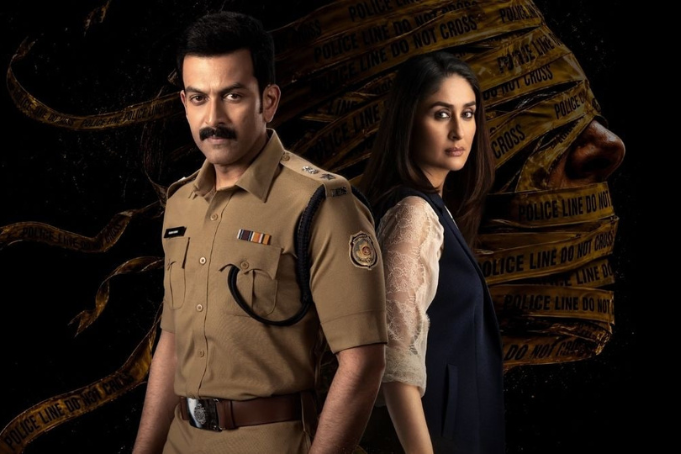
The timeless debate between procedural law and vigilante justice finds a gripping, deeply nuanced arena in Meghna Gulzar's latest crime drama, “Daayra”. Built on the classic dynamic of two sides of the same coin, the narrative places two high-ranking police officers on opposing ends of a moral spectrum without ever forcing the audience to pick a winner. Instead, the film presents an uncomfortable, unvarnished mirror to a society exhausted by delayed justice, leaving viewers to wrestle with their own ethical boundaries long after the screen fades to black.
At the center of this storm is DCP Ajooni Kohli, portrayed by Kareena Kapoor Khan, an officer who views the judicial system not as a suggestion but as an absolute boundary. When four men accused of a horrific rape and murder are gunned down in an encounter by DCP Raman Kumar, played by Prithviraj Sukumaran, Ajooni is brought in to probe the incident. As she pointedly notes, she does not investigate her colleagues, she investigates events. What unfolds is a tense procedural battle that delves into the institutional machinery, the agony of victims and the moral justifications of those who wear the uniform.
Related Stories
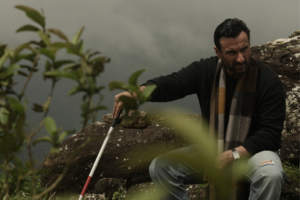
Prithviraj Sukumaran delivers a commanding and deeply convincing performance as Raman Kumar. He embodies the textbook, intense inspector who operates with quiet conviction, believing that extreme horrific acts demand immediate, unbending retribution. Prithviraj plays Raman with a brilliant sense of restraint; he avoids mindless aggression, opting instead for a deliberate, cold authority that makes his actions feel dangerously reasonable. He feels like the embodiment of public frustration, acting out the swift punishment that citizens often crave when reading about heinous crimes in the news.
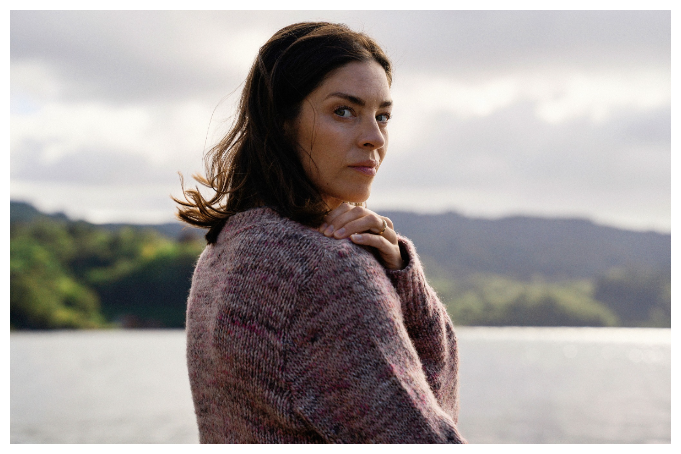
Kareena Kapoor Khan's portrayal of Ajooni Kohli offers a fascinating counterweight, though it carries a slightly different energy. In the film's early moments, her massive star power occasionally threatens to overshadow the character, making it take a little longer for the audience to fully separate the actor from the officer. However, as the narrative takes hold, her performance settles into a grounded rhythm. Rather than resorting to loud outbursts or posturing, she plays Ajooni Kohli with quiet strength, balancing the solemn weight of her position with the emotional impact of the gruesome case. She represents the rigid belief that allowing officers to bypass courts destroys the very fabric of democracy.
Interestingly, despite their central ideological battle, the two protagonists rarely share screen space. The tension between them is built through their parallel actions, their differing methods and the shared tragedy they are both trying to process. When they finally cross paths in a pivotal climax, the brief interaction packs a punch, laying bare the simple truth that both were driven by a desire to do right, even if their paths could never align.
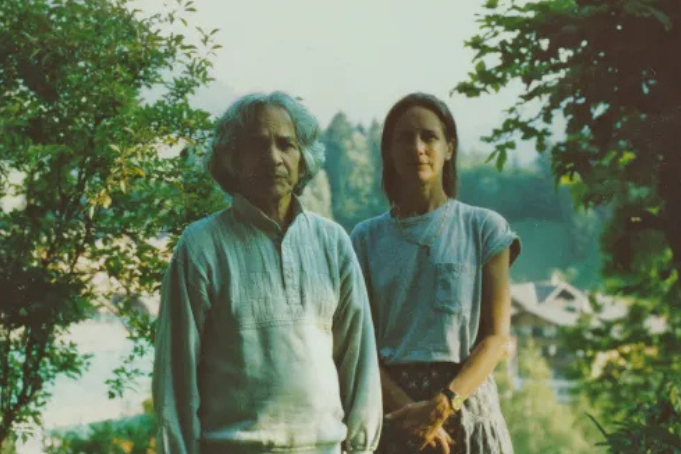
While the lead pair carries the star power, the emotional soul of the movie rests firmly on the shoulders of Kshitee Jog, who plays Parvati Pujari, the victim’s mother. Delivering a haunting, chill inducing performance, she anchors the film's human tragedy. Without relying on heavy dialogues, her screen presence communicates a mother's silent grief, rage and desperation, giving the legal and moral debates a visceral, heartbreaking context. Her character ensures that the narrative never feels like a purely academic exercise in ethics.
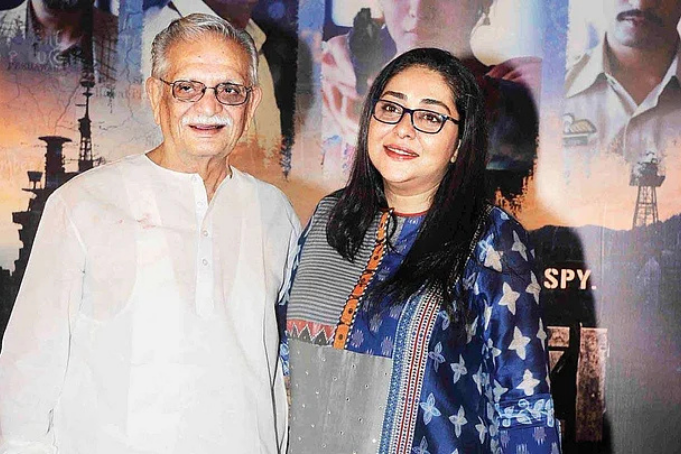
Director Meghna Gulzar once again proves her mastery over raw, hard hitting investigative dramas. Much like her previous works, she refuses to manipulate the audience or paint her characters in simple shades of black and white. “Daayra” takes three separate paths, the cold reality of the crime, Ajooni's unwavering faith in constitutional process and Raman's swift vigilante justice, and weaves them into a realistic, thought provoking thriller.
By remaining fiercely neutral, “Daayra” elevates itself above standard police dramas. It does not preach, nor does it glorify illegal encounters or condone procedural delays. Instead, it exposes the raw truth of what victims endure when seeking help from the state. Gripping, atmospheric and morally complex, the film succeeds because it dares to ask uncomfortable questions about justice, leaving the answers entirely in the hands of the audience.










Comments are moderated. They may be edited for clarity and reprinting in whole or in part in Variety publications.