



Apr 28, 2026 3:43pm IST
As ‘Gen V’ Gets Canceled After Season 2, From ‘Westworld’ to ‘Mindhunter,’ 9 Buzzed Shows Axed Midway
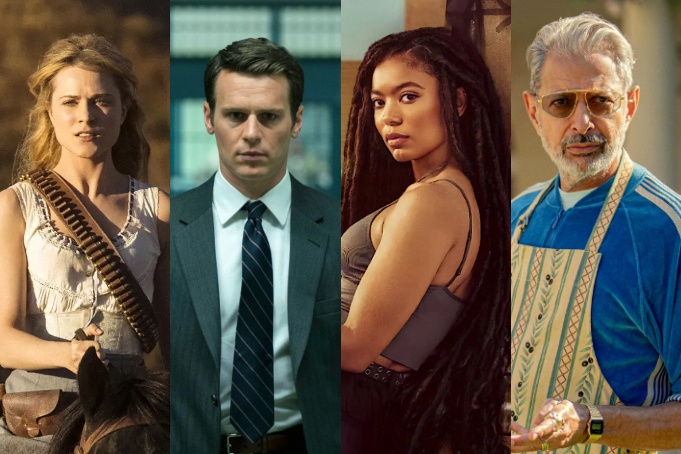
The cancellation of ‘Gen V’ after its second season is not an isolated call. It reflects a broader shift in how streaming platforms define success. Visibility, conversation and even strong initial viewership are no longer decisive factors. What matters now is a tighter matrix that includes completion rates, cost efficiency, long-term retention and platform strategy.
That recalibration has led to a growing list of shows, many with established creators, recognizable casts and active fanbases, being cut short mid-arc. In several cases, these series were not winding down. They were expanding, introducing new narrative threads, building out their worlds, or setting up endgame chapters. Instead, they have been halted at transition points, leaving behind incomplete storytelling despite clear audience engagement.
Here is a look at some of the most visible examples and what led to their abrupt endings.
Westworld
Created by Jonathan Nolan and Lisa Joy, and starring Evan Rachel Wood, Thandiwe Newton and Jeffrey Wright, "Westworld" was once positioned as HBO’s flagship sci-fi drama. It was canceled after four seasons following a decline in viewership and critical reception after its early peak.
The timing stands out. Season 4 concluded with a clear narrative reset, positioning a final chapter that would bring the story full circle. Instead, the show ends at a point of reinvention, leaving its larger philosophical arc incomplete.
Related Stories
Shadow and Bone
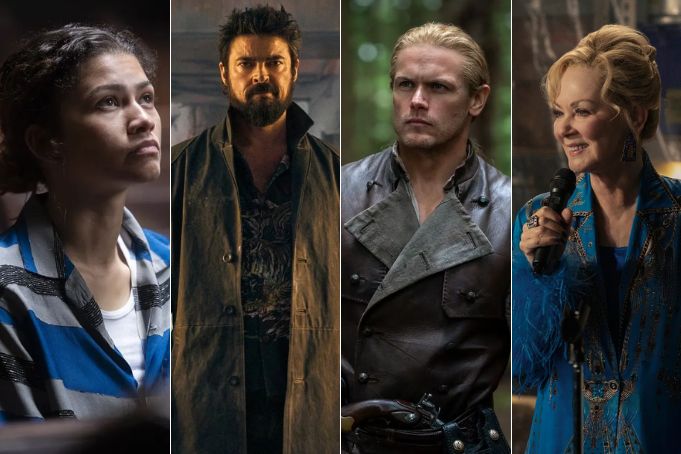
Led by Jessie Mei Li, Ben Barnes and Freddy Carter, the fantasy adaptation built a strong global audience. Its cancellation after two seasons came amid the 2023 writers and actors’ strikes, which impacted production timelines and economics.
Season 2 widened the narrative scope significantly, blending multiple storylines and actively setting up a spin-off. The tonal shift moved toward expansion rather than closure, leaving the series mid-transition rather than at a natural endpoint.
The Idol
Created by Sam Levinson and starring The Weeknd and Lily-Rose Depp, "The Idol" ended after one season. The decision followed a negative critical reception and sustained controversy.
Even within that, the series attempted a tonal pivot in its closing stretch, reframing character dynamics and power structures. That shift suggested a different direction for future storytelling, one that ultimately remained unexplored.
Inside Job
Featuring Lizzy Caplan, the series was canceled despite a prior renewal. No official reason was detailed, though reports pointed to cost considerations and internal restructuring within Netflix’s animation division.
Narratively, the show had just begun to deepen its core relationships. The second part moved beyond episodic satire into more serialised storytelling, with character arcs taking precedence. It ended on a turning point that suggested a longer emotional and narrative trajectory.
Mindhunter
From David Fincher and starring Jonathan Groff and Holt McCallany, "Mindhunter" remains inactive rather than formally canceled. The pause is tied to high production costs and Fincher’s focus on other projects.
The show’s storytelling was designed as a slow build. Season 2 continued to layer its central investigation while advancing the BTK killer thread in the background. That long-form structure makes its halt more pronounced, as the narrative was clearly working toward a larger payoff.
1899
Created by Baran bo Odar and Jantje Friese, "1899" launched with strong viewership but was canceled after one season. The decision has been linked to completion rate metrics and high production costs.
Its finale reframed the entire story, shifting the narrative into a new reality and expanding its conceptual scope. The series was structured as a multi-season arc, making its single-season run feel like an opening chapter rather than a complete story.
My Lady Jane
Starring Emily Bader, the historical fantasy series was canceled after one season despite a positive reception. The move aligned with platform-level recalibration.
Tonally, the show carved out a distinct space, blending period storytelling with irreverent humor and genre twists. Its first season steadily built its world while reworking familiar historical beats, ending at a point where both character arcs and narrative stakes were expanding rather than resolving.
Dead Boy Detectives
Set within the Neil Gaiman universe and starring George Rexstrew and Jayden Revri, the show was canceled after one season amid Netflix’s broader slate reductions.
The series leaned into episodic storytelling, but its tonal identity and mythology suggested a longer runway. By the end of its first season, it had established its central dynamic and world rules, leaving room for deeper exploration of both character histories and the larger supernatural framework.
KAOS
Headlined by Jeff Goldblum, "KAOS" reimagined Greek mythology through a contemporary, character-driven lens. It was canceled after one season despite strong buzz.
The show’s tone balanced satire with drama, positioning its characters within shifting power structures among gods and mortals. Its narrative closed on a moment of transition, with hierarchies destabilized and arcs clearly moving toward further conflict, making its single-season run feel like a setup for a larger story.
In each of these cases, the pattern remains consistent. These shows were not ending. They were evolving. And in the current model, even that evolution is not always enough to ensure they continue.







Comments are moderated. They may be edited for clarity and reprinting in whole or in part in Variety publications.