



May 29, 2026 6:13pm IST
‘A Good Girl’s Guide to Murder’ Season 2 Review: Emma Myers, Henry Ashton Anchor a Darker, Mature, But Less Intricate Sequel

Will the small-town disappearance-and-murder-mystery trope ever get old? “A Good Girl’s Guide to Murder” Season 2, follow-up to the cozy YA (young adult) murder mystery series on Netflix starring Emma Myers, says not. In fact, the sequel, which adapts the second book in Holly Jackson’s series, “Good Girl, Bad Blood” (2020), feels darker, grittier and more mature thematically. But the mystery at the heart of this season feels a little less intricate and effective compared to the first season’s.
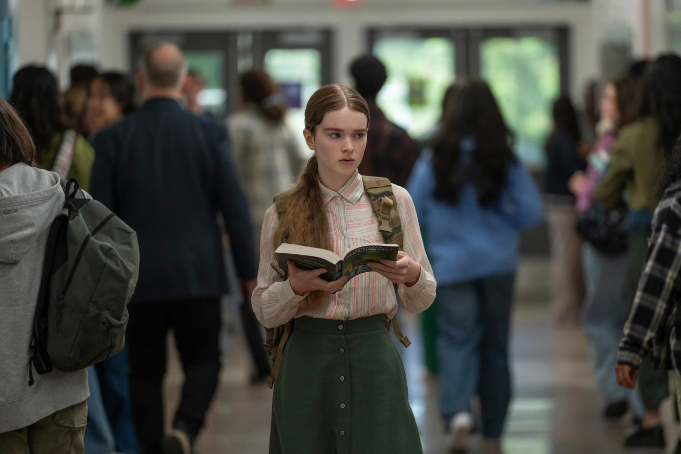
As the town of Little Kilton absolves Sal Singh (Rahul Pattni) and puts him and Andie Bell (India Lillie Davies) to rest, Pippa “Pip” Fitz-Amobi (Myers) is in a loving relationship with Sal’s younger brother, Ravi Singh (Zain Iqbal), starting a true-crime podcast (guess the name) about the case and preparing for the trial of Max Hastings (Henry Ashton) for raping Becca Bell (Carla Woodcock) and Nat Da Silva (Jessica Weber). She’s confident that both girls’ testimonies will put him away for good. However, Jamie Reynolds (Eden Hambelton Davies), brother of Pip’s friend Connor (Jude Morgan-Collie) and a key witness, disappears on the eve of the trial, upending her hopes.
Related Stories



“A Good Girl’s Guide to Murder” Season 1 had Pip acknowledge her problem: Once she gets obsessed with solving a mystery, she doesn’t back down, even at great risk to her and her loved ones’ lives. In Season 2, despite her hesitation, Pip is pulled further down the rabbit hole, to the point where her obsession and resulting hero-complex becomes dangerous for everyone involved.
The writing does a great job of highlighting just how toxic this trait is. And Emma Myers’ consistently brilliant performance lends it conviction. Pip isn’t always a likable lead; she disregards her parents’ warnings, Ravi’s love and support and her friend Cara Ward’s (Asha Banks) complicated emotional state over her father, Elliot Ward (Mathew Baynton), behind bars, thanks to Pip.
"AGGGTM" has often felt like a cross between “Only Murders In The Building” and “Nancy Drew.” Such mysteries usually start off as different threads, ultimately converging into one story. But even as season 2 starts with Jamie’s disappearance being connected to Max Hastings' trial, it ultimately devolves into a different motive that has nothing to do with the trial.
The book might’ve done a better job of seeding in the two characters who’ll go on to play an important role in the finale, as well as their relationship with Pip. In the series, it oddly feels like an afterthought and a mystery ex machina, making Pip’s reaction to it all somewhat unearned. It doesn’t take away from the emotional notes of the ending; her pain, heartbreak and trauma register strongly. But the answers get predictable by a simple elimination method (Thank you, Sherlock), unlike season 1, where the mystery was far more elaborate.
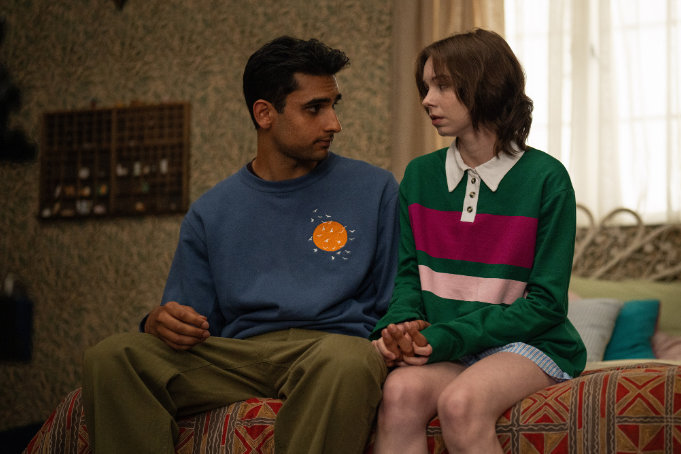
Supporting characters like Connor, Cara, Becca and Nat have interesting parts to play this season; not always meatier, but effective. Zain Iqbal’s Ravi is the non-toxic boyfriend of every girl’s dreams; his sensitivity and patience with Pip, and the way he is cool letting her lead, make him instantly likable. The adults are sidelined while their children run around at ungodly hours without any repercussions, perhaps symbolizing how parents do not know who their children can be.
Popular on Variety
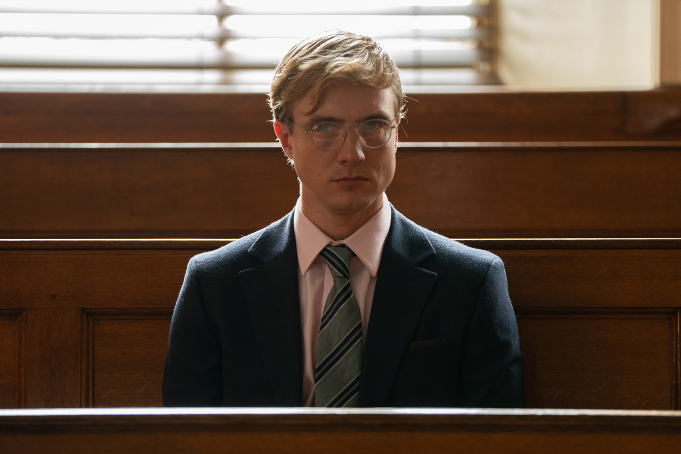
But it is Henry Ashton’s Max Hastings — the rich, spoilt misogynist who gets away with the worst things with a sinister smile — who deserves applause. It’s a testament to his character just how much pure white rage he can evoke. This season focuses on his relationship with his parents, lending context to how a monster is born. It’s a good parallel with the story of Stanley Forbes (Misia Butler) and his upbringing.
"A Good Girl’s Guide to Murder" has always got the atmosphere and music right. Whether it is the underground cave “Calamity Parties,” the mansion where the final confrontation goes down or Pip’s bedroom wall that serves as her murder board, Little Kilton feels warm and cozy and much like a place where anything could happen.
The music for this season is mostly good. There are some great needle drops: “Little Girl Gone” by Chinchilla plays when Pip vandalises Max’s house and there are goosebumps. The soundtrack boasts of alt pop, alt rock and dark pop bangers like “Angel of Small Death and the Codeine Scene” by Hozier, “All the Good Girls go to Hell,” “Copycat” by Billie Eilish, “Achilles Come Down” by Gang of Youths, “The Seed” by Aurora, “All of Human Knowledge Made Us Dumb” by Sofia Isella and “Where Your Secrets Hide” by Klergy. However, some of the songs feel unearned for the moments they are used, such as “Way Down We Go” by Kaleo, which appears early on in the season.
Is “A Good Girl’s Guide To Murder” Season 2 the superior season? In some ways, yes; in others, no. But it is definitely an unputdownable binge without a dull moment. And from that cliffhanger, the prelude to an even darker Season 3.













Comments are moderated. They may be edited for clarity and reprinting in whole or in part in Variety publications.