



Aug 29, 2026 4:00pm IST
Why Fragrance is Beauty’s Most Feminist Act
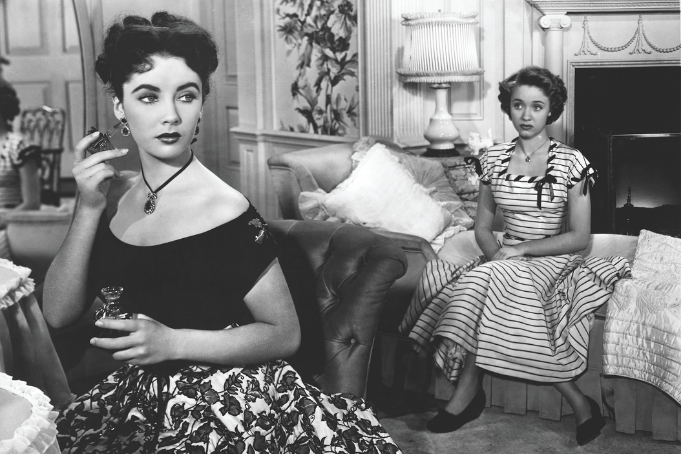
Beauty today is built to be seen
Makeup is engineered for cameras. Skincare is validated through before-and-after proof. Outfits are assembled with feeds in mind. Even opinions are shaped by engagement loops that silently flatten personality into something more shareable.
But fragrance? It behaves so differently
It cannot be screenshot or filtered. It doesn’t travel through mobile screens. It refuses to perform on command. In a culture obsessed with visibility, perfume remains stubbornly private. That resistance makes perfume one of the last unoptimized forms of identity.
For women especially, that matters
Where the beauty economy demands evidence, perfume offers none. It unfolds slowly, reacts to skin chemistry… or heat, memory, mood. Two people can wear the same fragrance and experience it entirely differently. That subjectivity is precisely why fragrance resists algorithmic logic. It demands time, proximity, attention: three things digital culture is steadily eroding.
Beauty without proof
Most beauty categories ask women to fix, improve, or prove something. Perfume asks nothing. No “does it show?” No “is it flattering?” No pressure to justify why you chose it. Scent is felt, not displayed. It exists in time, not image. That absence of proof changes our relationship with it entirely. Fragrance becomes one of the few beauty choices women can make without an audience. It does not need to be explained. It can be worn purely for the self, and often is. At a moment when even self-care has become content, that feels like a radical concept.
From seduction to self-experience
For decades now, perfume marketing has framed scent as seduction. A tool to attract attention. A finishing touch meant to be noticed. That framing now feels dated, don’t you think?
Related Stories
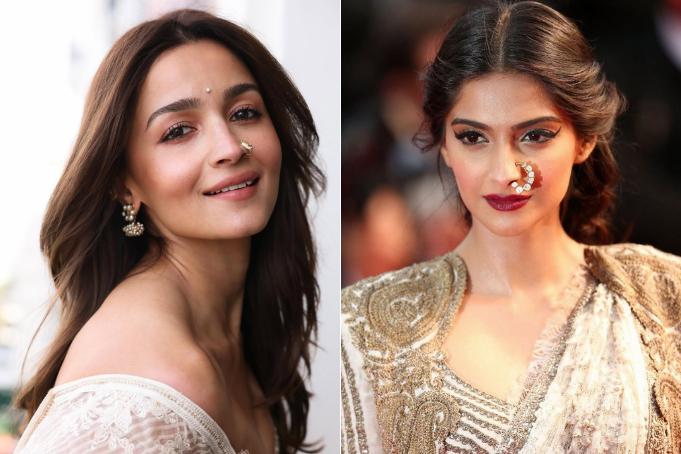
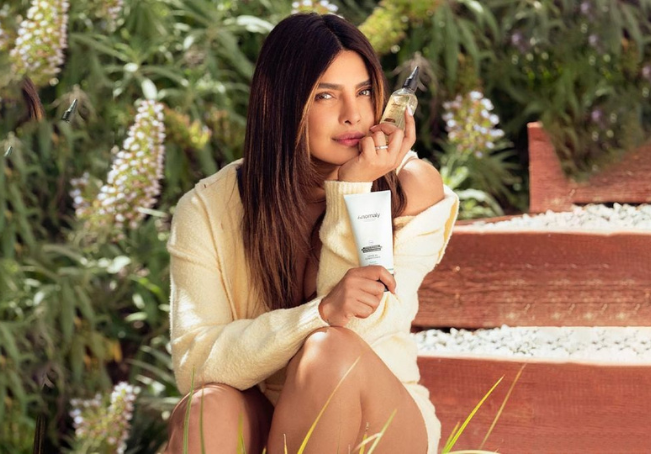
Women have stopped believing that it has to signal anything outwardly
The shift shows up in how scent is used today. The single “signature fragrance” is being replaced by scent wardrobes. One perfume for work. Another for evenings at home. Something grounding for travel. Something intimate that never leaves the skin. Sometimes, a mix of everything to smell uniquely you. Often, this isn’t about impressing others. It’s about emotional regulation: comfort, memory, focus, control.
Escaping the gaze
Fragrance hasn’t always been a space for autonomy. It’s been worn for rooms, for approval, for men. In India, attar adorned brides as the final step of solah shringar for centuries — scent as offering and seduction, in service to the male gaze. But something has shifted in how women are using it now: less as a signal outward, more as an orientation inward.
Beauty has also always been deeply gendered. Women are evaluated visually in ways men are not: taught to monitor appearance, manage impressions, demonstrate improvement.
Fragrance escapes that gaze
It cannot be assessed from across a room. It requires proximity, often consent. It allows women to engage with beauty on their own terms, to experience pleasure without needing to prove it. This is where scent becomes a feminist act, without needing the language of proof, performance, or approval.
Why this matters now
The rise of fragrance coincides with a broader fatigue around optimization. The pressure to constantly refine and upgrade has reached saturation. Beauty, once sold as empowerment, has become another site of labor.
Perfume offers a reprieve. In a hyper-visible world, privacy has become a luxury. Women are choosing scent not because it shouts, but because it doesn’t. It allows identity to exist without commentary. It offers a rare sense of control in a culture built on surveillance and performance.
The market is following the mood
This cultural shift isn’t happening in a vacuum. Fragrance is also having a numbers moment. Globally, the fragrance market is estimated at USD $60 billion. In the U.S., fragrance has outpaced makeup and skincare growth in recent years, driven by repeat purchase behavior and building scent wardrobes.
Popular on Variety
India’s fragrance market is smaller but accelerating just as quickly, estimated at over USD $1 billion, with growth coming not just from mass deodorants but from premium and fine fragrance adoption. Consumers who grew up on body sprays are now experimenting with eau de parfums, attars, hair mists, and layering rituals.
Even capital is following scent as identity. In early 2026, Samantha Ruth Prabhu — whose public pivot toward wellness and intentional living has made her one of India’s most credible celebrities in this space — backed Secret Alchemist, which raised funding from marquee investors like Unilever Ventures and DSG Consumer Partners, signaling investor confidence in fragrance as an emotional, repeat-driven category rather than a vanity play. What’s more, India has always lived with fragrance. Jasmine in hair. Rose in rituals. Sandalwood in temples. What’s changing is not our intimacy with scent, but our willingness to experiment beyond the familiar. Heat and humidity demand longevity, not projection. The result is a market moving from utility to identity.
And that’s the point
The growth is not simply commercial momentum. It reflects a broader desire for beauty that is experienced, not documented.
Scent without spectacle
Fragrance is not untouched by commerce or trend. It’s still a business, still shaped by cycles. But structurally, it resists the forces flattening so much of contemporary culture. It cannot be reduced to content. It refuses speed, and that refusal is its power. In a world obsessed with performance, perfume lets women simply be.
Zahra Khan is a reformed journalist, fractional CMO, and culture geek who has built brands for Amazon, Gucci, and her own media startup. She knows the difference between spin and substance. You can find her on Instagram at @zahrakhan25.


















Comments are moderated. They may be edited for clarity and reprinting in whole or in part in Variety publications.