



Sep 05, 2026 10:00pm IST
‘The Great Kanchana Circus’ Book Review: A Gripping Ode To The Unsung Heroes Behind The Canvas Tent
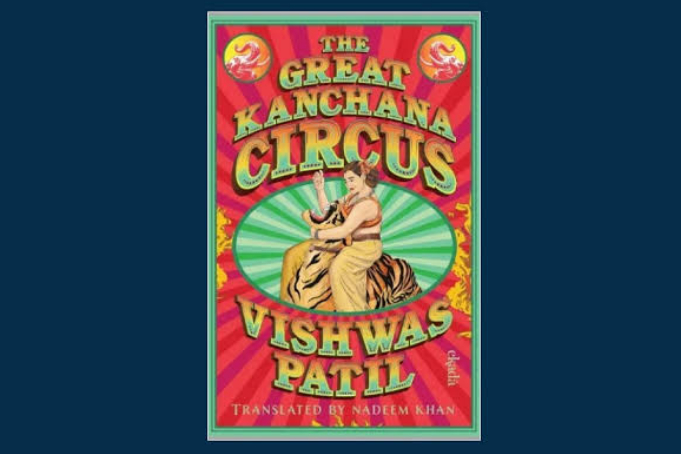
For many, a first encounter with the circus remains a cherished childhood memory, a dazzling kaleidoscope of flying acrobats, dramatic orchestra swells and magnificent animals performing under radiant spotlights. Yet, as audiences lose themselves in the enchantment of the ring, few stop to consider the grit, sweat and raw humanity that sustain the spectacle once the curtains fall. Vishwas Patil’s “The Great Kanchana Circus” by Westland Books, shines a brilliant light on this hidden sanctuary, transforming the glittering myth of the circus into an intimate, deeply moving portrait of those who lived it.
Set against the tumultuous backdrop of the 1940s, a period marked by India’s independence movement and the devastating fires of the Second World War, the narrative transcends the boundaries of standard historical fiction. Instead of merely offering a thrilling account of wartime perils, Patil crafts a profound exploration of human endurance and artistic solidarity. The plot catches fire when the famed troupe finds itself stranded in war-torn Burma amidst relentless air raids by Japanese forces.
Faced with imminent catastrophe, the company’s courageous proprietor, Kanchana Sarang Shinde, refuses to abandon her people or their animals. What follows is a harrowing, thousands-of-kilometers journey across treacherous terrains, disease-ridden jungles and hostile landscapes back to safety in India.
Related Stories

What truly elevates this work, however, is Patil’s ability to bypass sensationalism in favor of genuine emotional depth. Rather than dwelling solely on the mechanics of survival or the mechanics of the acts, the book immerses readers in the intricate tapestry of backstage life. Patil meticulously constructs the daily rhythms of the troupe, the exhausting rehearsal hours, the shared laughter over minor blunders and the quiet camaraderie among female performers unwinding after a high-stakes show. The circus is depicted not as a place of exploitation, but as an affectionate, tightly knit ecosystem where animals are cherished as kin and fellow artistes form an indestructible family unit.
Crucially, the novel serves as a powerful testament to the forgotten female pioneers who navigated this demanding world. During an era when social mobility for rural women was severely restricted, the circus paradoxically offered a rare avenue for financial autonomy, mastery of trade and wide travel. Patil deftly underscores the formidable dual life these women led: managing domestic duties, raising families on the road and then stepping seamlessly into the spotlight to perform life-defying feats with effortless grace. Kanchana herself embodies this duality; her bravery is defined as much by her daily leadership and fierce devotion to her 300-strong troupe as it is by her heart-stopping ring performances.
Patil’s evocative prose ensures that the sensory details, the scent of sawdust, the resonance of the brass band and the shadow of looming danger, are felt vividly throughout. By grounding an epic escape story in authentic historical reality, when women-led circus companies flourished in southern and western India, the author delivers a story that feels both expansive and intensely personal.
“The Great Kanchana Circus” is a masterclass in historical storytelling. It successfully shifts the focus from the magic beneath the spotlight to the enduring spirit of the human beings who created it. Entertaining, emotionally resonant and historically vital, Patil’s novel ensures that these formidable women and their incredible legacy finally receive the standing ovation they deserve.















Comments are moderated. They may be edited for clarity and reprinting in whole or in part in Variety publications.