



Sep 26, 2026 4:29pm IST
‘Sophie, Standing There’ Author Meg Mason on Writing A Cheerful Protagonist, the Unexpected Indian Connection and Who She’d Cast in the Book Adaptation (EXCLUSIVE)
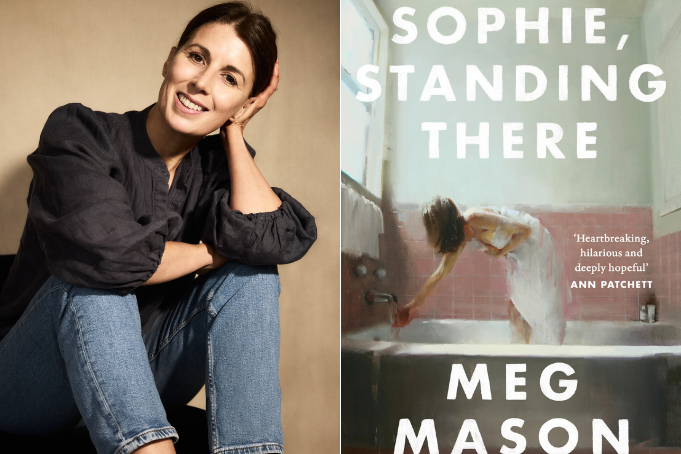
After her previous novel, "Sorrow and Bliss," was termed "sad girl fiction" by some, New Zealand-born journalist and author Meg Mason wanted to write a happy person and see how they would react when put through trials and tribulations. And thus was born Sophie Pattison, the protagonist of Mason's latest novel, "Sophie, Standing There." It dives into the world of literary festivals through the eyes of a polite, unassuming woman who works the festival circuit and becomes obsessed with one of the guest authors, Lilac Dunne, a character study in how fame and adoration can affect a person.
In an exclusive chat with Variety India, Meg Mason opens up about birthing Sophie and Lilac through her own lived experiences, a surprise Indian connection in the book and who she'd cast if the book were ever adapted. Excerpts:
Was ‘Sophie, Standing There’ always the title?
For a long time, the book was called “Lilac,” which was the name of a character I was writing into a different novel I didn't finish. Three days before the galleys were going out, one of my editors asked if the title should be something else. And she was right. The book isn’t about Lilac, it's about Sophie. It’s trying to give some attention to this very unassuming woman who would never put herself forward. I realized “Sophie, Standing There” was the right one.
The phrase is actually in the book. Once this title was fixed, I realised that whenever Sophie feels uncomfortable or unseen, she's always standing up. But then when something good happens to her, she's usually sitting down.
Related Stories
What do you get up to between novels?
I was publicizing "Sorrow and Bliss" for almost three years. I tried to write during that time, but I couldn't disengage from the characters I was still talking about. After I came home, it got harder because I had done nothing other than publicity. I hadn't gone and lived. So that tank was empty. Instead of refilling it, I conscientiously tried to force it. But it didn't work. It wasn't until I accepted that I was going to write about the literary world that I had a view into that it all started to flow. Lots of authors don't like the publicity part of the job. They just want to be at home, writing, unseen, unsurveilled. But I love it, because it's the only time I don't feel bad about not writing a novel!
You’re visiting India in February 2027. What are you most excited for?
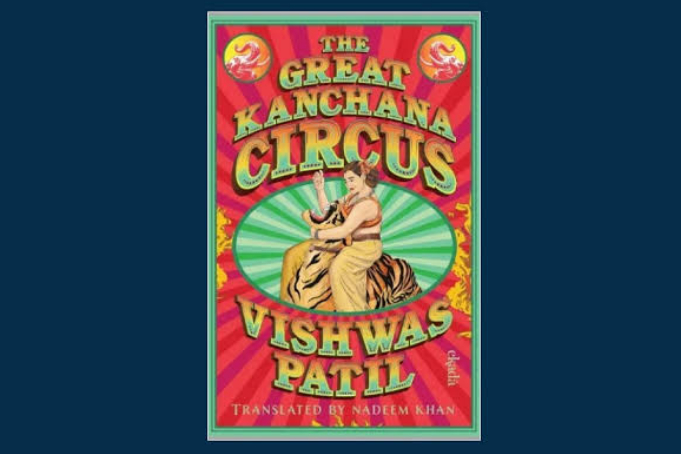
I only know that I'm visiting various literary festivals. I've never been to India before and don’t know much about its culture. But I was made aware of an Indian reference that I oddly make in “Sophie, Standing There”, where in one scene, she eats some dal. And I thought, “Of all the foods in the world I could have chosen, why did I choose dal?”
Now it turns out that I've got this really devoted readership of some size in India that I did not know about, because I'm not on social media. But maybe I did know deep down, and that's why I put “dal” in the book. Someone told me there are fifty kinds of dal? I thought there'd be, like, two! So basically I'm coming to India to try fifty kinds of dal. I'm so excited! I'm kind of scared of bringing my White Western baby palate to India, and I can only manage a plain naan, but I'll get there, right?
‘Sophie, Standing There’ is full of fun references to not just classics but recent books, like Gail Honeyman’s ‘Eleanor Oliphant Is Completely Fine’ and authors like Elizabeth Strout. How did you pick them?
I chose the authors I use as characters because their work means something to me. I did ask their permission beforehand because I used them to do funny bits and bobs that they would never do in real life. The books Sophie talks about are my favorite novels, and some of them are a bit obscure. Like this great New Zealand novelist, Janet Frame. Hopefully, that’ll pique people's interest to read them. It would be pretty cool if that was the legacy of the book.
Popular on Variety
Do authors also develop a sort of reverse parasocial relationship with their fans? Do you feel the pressure to join social media because publishers want authors to have a built-in fan base?
“Sorrow and Bliss” came out at the start of the pandemic. So I was much more inclined to go online to see what people were saying. But not with “Sophie.” I would rather meet a reader in real life and have meaningful, human interactions. It's easy to say something disparaging about a book in an Instagram comment. There are real people on both ends, but it puts a barrier between us that can be dehumanizing. I haven't been on social media in about six years. I believe we're given a certain amount of emotional resources in a day and I don't want to use any of that on social media. But parasocially, I do have a strong feeling of the reader’s presence when I'm writing.
Considering everyone’s into adapting books lately, who’d be your dream casting for a “Sophie, Standing There” screen adaptation?
I've thought to myself, “Sophie” could never be adapted because it's set in the dark and the second protagonist is mostly imaginary. But maybe Emma Corrin as Lilac, who's beautiful but can be quite icy-looking, intimidating and self-contained. As for Fraser, anybody who's just universally known to be adorable, like Paul Mescal.



Comments are moderated. They may be edited for clarity and reprinting in whole or in part in Variety publications.