



Sep 28, 2026 6:45pm IST
Rawindra Pulle On Choosing Rashmika Mandanna For ‘Mysaa’: ‘I Saw The Intense Anger Depicted In Her Eyes During ‘Sita Ramam’ (EXCLUSIVE)
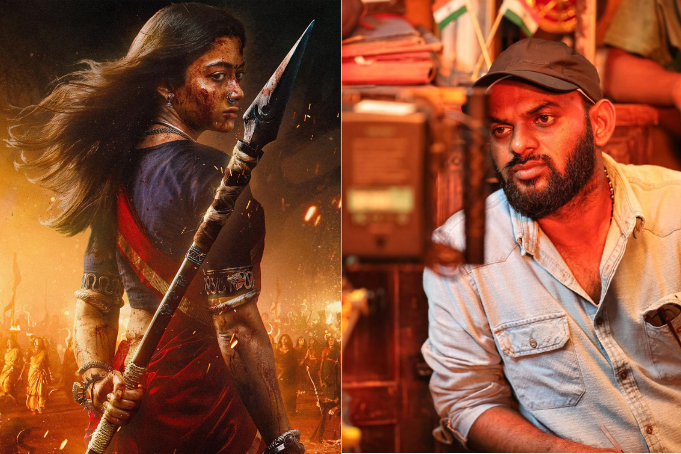
Telugu director Rawindra Pulle’s action drama, ‘Mysaa,’ is gearing up for a release in November. In an exclusive interview with Variety India, the director talks about why he chose Rashmika Mandanna for the role, the challenges of shooting an underwater sequence and collaborating with Jakes Bejoy for the music.
‘Mysaa’ features the first underwater fight sequence led by a female protagonist. What were the challenges involved?
Most human beings can remain underwater for a maximum of more than a minute. But we had to shoot a three-and-a-half-minute underwater fight sequence involving a female. I don't want to categorize [the protagonist as a] male hero or female hero, but technically, the character is a female hero.
We can't rehearse underwater fighting. Initially, we thought we would use a duplicate, but when I narrated this scene to a stuntwoman, she said she would not be able to do it. That is when Rashmika Mandanna stepped in and said she would attempt the scene herself.
We shot this underwater sequence across three days, and it involved breath control and diving techniques. Rashmika was in the water for almost 20 hours. We were shooting almost 25 feet underwater, and it gets very cold after 12 p.m. There was no visibility, and she could not even wear goggles as she had to keep her eyes open for the fight sequences and also show her expressions. She managed it all.
Related Stories
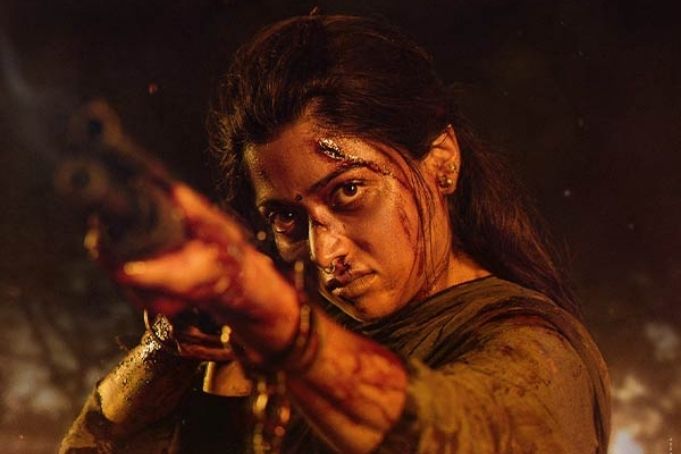
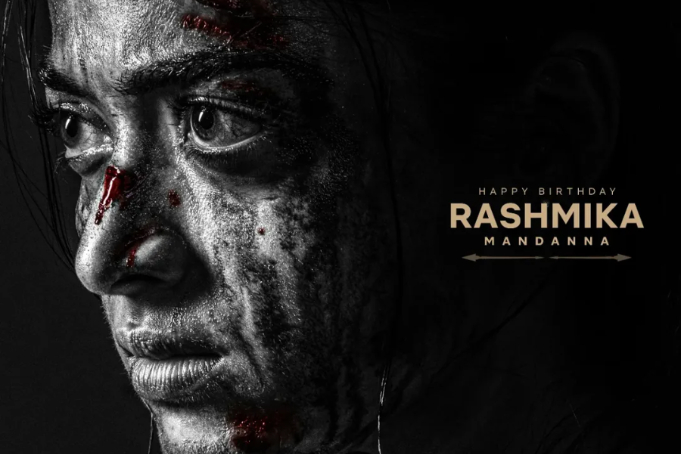
Rashmika is playing a fierce Gond tribal woman. How did you ensure that her character was authentic and yet commercially viable?
When I first narrated the story to Rashmika, she was shocked as she wondered how we would be able to achieve this look. Prior to this film, she had not done any hardcore action, nor had she carried any weapon in a movie. She had only done glamorous roles.
I got permission from the local police department for her to be trained in weapon handling. But she managed to learn how to handle weapons, and she was a perfect fit for this role.
What made you realize Rashmika was the perfect fit for this role?
We were both working together in ‘Sita Ramam.’ I was the first AD on set. I was also the additional dialogue writer and the second-unit director for some sequences. I shot some sequences of hers, and we became very friendly.
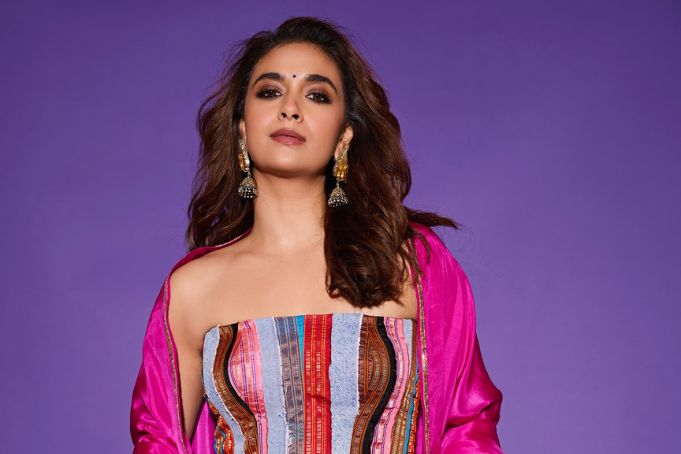
I love her eyes, and in one of the sequences, I saw the intense anger depicted in her eyes, and I knew I had found my Myasa.
That day, I told her that she would become my heroine someday. It was the power of manifestation. Later, when I narrated the script to her, Rashmika loved the script. In fact, she even trained in Italy and Thailand for some action sequences involving postures and kicking. She has worked really hard and given it her 1000 per cent. She never ever said no to me. Even that last month, we were shooting and she had an injury, but after taking a break for three hours, she completed the shoot. She was in a lot of pain, and the doctor told her she would have to take a break, but she finished the shoot. She is very dedicated that way.
You have paired up with Jakes Bejoy for the background score and music. How did this collaboration happen?
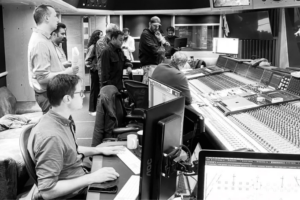
When I approached Jakes, he loved the script. It's a contemporary film. But we are using the Guntur tribal core elements. I told him on the first day, we are going to use some non-commercial sounds as well. We invited 150 tribal musicians to Hyderabad and recorded all of their tunes using their instruments and followed the same technique that they used while playing these instruments.
How are you going to ensure that a story that is so deeply rooted in a specific culture connects with audiences across the country?
The Gond tribe does not only belong to Telangana. Some of them have also lived in Odisha, Chhattisgarh, Jharkhand and Maharashtra. So, there's a pan-India connectivity. It is also a female-centric film with strong emotion, and since the core emotion is good, it will connect with the audience.




Comments are moderated. They may be edited for clarity and reprinting in whole or in part in Variety publications.