



Oct 13, 2026 12:10pm IST
‘Pehla Pyaar Doosri Baar’ Writer Jehan Handa On Luv Ranjan’s Idea Behind The Film: ‘We Wanted To Go Back To Our Roots’ (EXCLUSIVE)
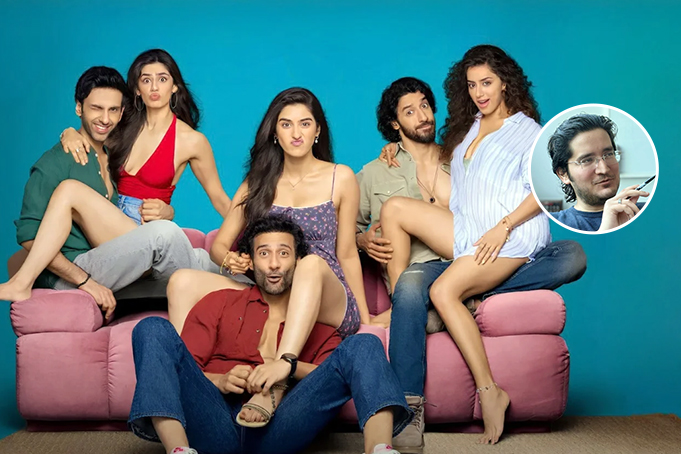
The trailer of the upcoming youth romantic comedy “Pehla Pyaar Doosri Baar” recently dropped on social media, generating interest for its contemporary take on relationships with the nostalgic feeling around first love.
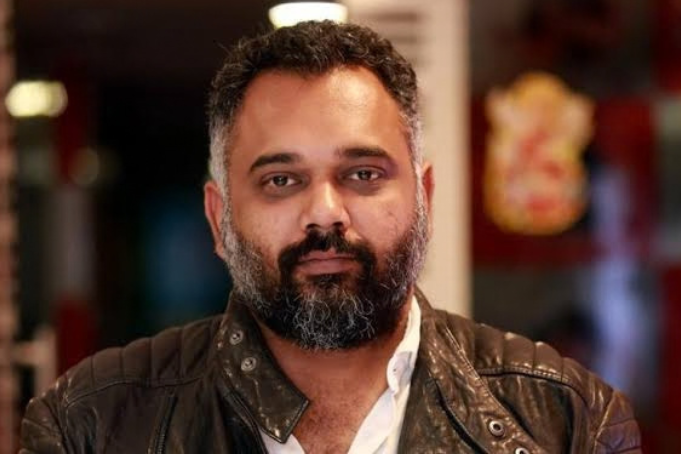
Produced by Luv Ranjan, known for the “Pyaar Ka Punchnama” duology, “Sonu Ke Titu Ki Sweety” and “Tu Jhoothi Main Makkaar,” the film explores the idea of first love returning. With its music also finding traction among young listeners, writer Jehan Handa speaks exclusively to Variety India about the original idea behind the film and the appeal of first love.
What was the original thought behind ‘Pehla Pyaar Doosri Baar’? Was there a particular emotion or relationship that sparked the story?
The original thought behind the film originated from Luv Ranjan, a maverick in this field who gave us the cultural phenomenon called the “Punchnama” series. He was saying, “Let's go back to the roots.” I always say that in life, we make Goa plans with friends that we never actually show up for. We have drinks with our adult friends, and we reminisce about a life that used to be.
We think that if it were like this, what would have happened? Now we have rent, EMIs, struggles in life, toxic work culture; what do you remember in all that? In the old days, there was something about those old days; you remember that. If we go back to that time, then life in the past or nostalgia always looks beautiful to you. Maybe you didn't feel so beautiful when you were living.
When you have passed it, then the past season always looks more beautiful to you. And that is a big mystery of life: why do we remember the same things that we have gone through, that we have lived.
Please continue.
What we are living today, today you will always see some difficulty, some trouble, some difficulties. So, first love, second love, I feel we romanticize first love very enormously. We remember the intensity, the innocence, the feeling that nobody else in the world could possibly make us feel.
But people grow up. So we become interested in growing up, in the second meeting, not just the first falling in love, but the moment when two people who once knew each other intimately have to ask themselves, Did we ever have something? Was it one-sided or two-sided? Was it just imaginary? Or was it something that we have ignored? If it was like this, then what would have happened? Mirza Ghalib has gone, but somewhere I feel that the story is very important in it. Every man in India romanticizes first love.
So you think, what is the mystery of life? What is this magic? That's my story. That's where Luv Ranjan, director Anuj Saini and I decided that we have to do something. We have to bring that feeling back to the roots.
Related Stories
The idea of first love returning a second time has been explored before. What did you want to do differently with this story?
I wasn't interested in treating first love as something sacred that has to be reclaimed. I wanted to explore the fun behind it, the naughtiness and the innocence of first love. Because I think that's what we all crave. We all have responsibilities, but we crave that feeling when everything in life is simple and easy.
I think that feeling is the most important thing for me. First love and second love are less about getting your first love back and more about remembering how those people made us feel. And love doesn't have to work out all the time. But it should make the butterflies in your stomach flutter and should give you that kick.
But when you mix friendship in it, you see the heart wants it. I say, if you see “Rang De Basanti,” it's a different kind of fun. It's about seeing friendship and love from a different perspective.
The school where I come from, Dharma (Productions), has love and friendship. So, that's also a different school. So, I think it is just about having conviction in your feelings and saying what you really want to say.
How has your writing evolved from your early work to upcoming projects like ‘Pehla Pyaar Doosri Baar’ and ‘Adhoore Hum Adhoore Tum’?
When you're starting out, you sometimes write towards what you think a film should be. You think about the big moments, the dialogues, the interval, the climax.
But with time, you become more interested in the moments and between the moments. The silences, contradictions and little behavioral details. I feel that my early writing was probably more external.
Today, I think I'm much more interested in the insides of the human mind, heart and system. What people don't say for me has become as important as what they do. I think both “Pehla Pyaar Doosri Baar” and “Adhoore Hum Adhoore Tum” come from that space.


Comments are moderated. They may be edited for clarity and reprinting in whole or in part in Variety publications.