



Aug 21, 2026 4:21pm IST
Kritika Kamra On Women In Entertainment: ‘Enough Female Characters Are Still Not In The Driving Seat’ (EXCLUSIVE)
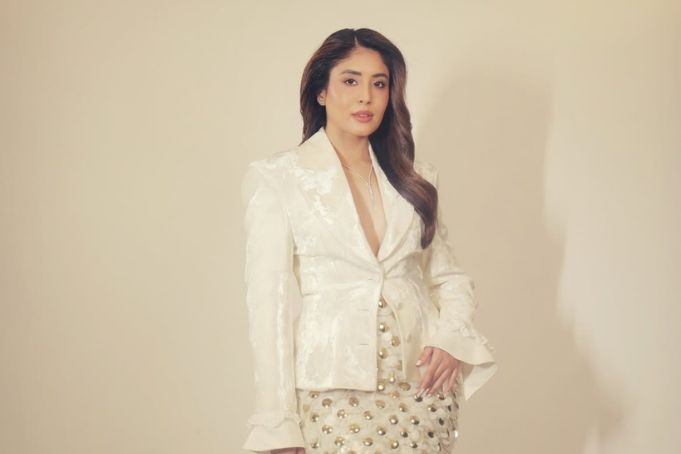
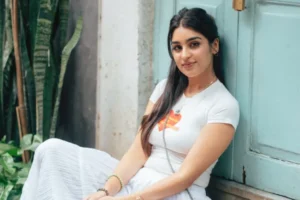
While Kritika Kamra loves facing the camera, she is equally passionate about delving into the country’s textile history. Growing up close to the weaving town Chanderi and watching her mother collect Chanderi sarees, Kamra’s connection with Indian textiles eventually evolved into “Cinnabar,” the artisan-first label she started during the lockdown. As an actress, Kamra’s career choices across television, films and OTT include roles that allow her to challenge herself. In a conversation with Variety India, she talks about her love for Chanderi, the challenges of sustaining a handloom brand and the change for women in the entertainment industry.
You grew up close to Chanderi. When did handloom become something you felt strongly about?
My love for Indian textiles is inherited from my mother (Kumkum Kamra). She has a beautiful collection of Chanderi sarees, none of which were store-bought. We used to go to Chanderi, see how the sarees were woven and choose something to bring back. So I had an emotional connection with the place without realizing it. I was in my hometown during the first lockdown when “Cinnabar” happened. We saw the struggles of Chanderi’s weavers. I started an Instagram page simply to help them find a platform to sell. That has now become a full-fledged business.
Related Stories
You chose a Chanderi saree for your wedding with Gaurav Kapur.
It was the most natural choice. It was one of the first things to be decided, even before the venue, because that’s how long it took to weave. My mother commissioned it and visited the weavers. They combined Tussar silk with Chanderi silk. I knew we were having the wedding at home, so it didn’t make sense to wear a lehenga; I wanted to be myself.
What’s the hardest part of running an artisan-first label in a fast-fashion market?
It’s very hard to find your audience when so much is being consumed, especially on social media. But we don’t just want an audience, we want to create a community. We take pride in being artisan-first and always pay fair wages. We never negotiate with our weavers because that’s not where we want to cut corners. In a world of fast deliveries, it’s difficult to find people who genuinely care and are willing to be patient. But our customers care about where their clothes come from and understand that they are exclusive. Maybe there are only five more sarees like theirs, and they like that. I think that itself is luxury in today’s time.
You started your career in television but moved away from it. What prompted that transition?
I was 18 when I started acting. As an outsider who came to Mumbai and had to pay the bills, I just worked in my 20s. I wasn’t creatively satisfied. I felt saturated and wanted new challenges. Luckily, I got my first film “Mitron,” then OTT happened, and I’ve slowly found work that speaks to me.
Actors, especially those associated with television, complain about getting typecast. How have you avoided that?
Typecasting isn’t limited to one medium. I’ve always been very sure about what I don’t want. I’ve wanted to play women who have agency. I didn’t want to be part of kitchen politics or always be the victim. I wanted my characters to have careers and identities.
Typecasting is the flip side of success. If you’re successful as a particular character, people start imagining you only as that. You then have to break away, take another chance and show your range. That’s why I’ve played roles that included a negative character, a gangster and a journalist. I’ve tried to play characters with multiple layers rather than do one thing repeatedly.
Popular on Variety
How have opportunities and representation in the industry, particularly for women, evolved with the rise of streaming?
There are more opportunities, but more people competing for them. Access has become more democratic, which is great. Women’s representation has changed, but I’m not happy with where we are. We now have female characters with backstories and identities, but they’re still not in the driving seat enough. We need more women directors and writers in the mainstream.
What can you tell us about “Matka King” Season 2 and “Dumbbell”?
“Matka King” Season 2 is happening for sure. They’re working on it and writing it. With a show of this scale, it takes time. I hope we start working on it this year, but I don’t have a date yet. We’re in the middle of filming “Dumbell,” although the Mumbai rains slowed things down because we have to shoot on real locations. I’ve been training for it because my character demands it.

Comments are moderated. They may be edited for clarity and reprinting in whole or in part in Variety publications.