



Aug 19, 2026 10:00pm IST
OTT Vs Theatrical: How Streaming Platforms Are Reshaping South Cinema’s Release Calendar
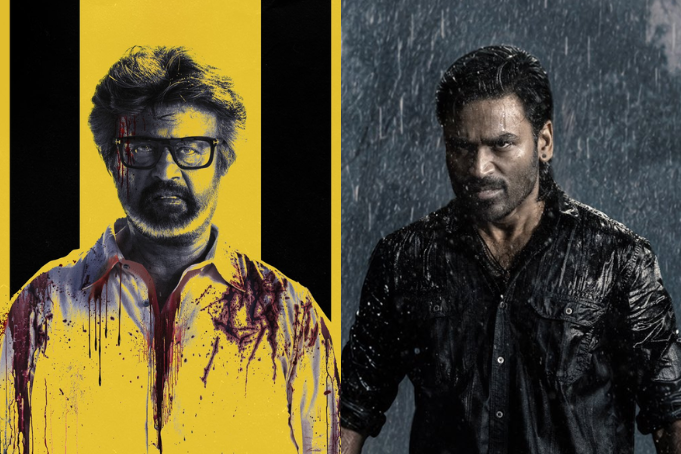
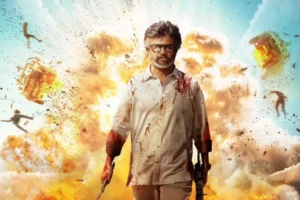
Two of the biggest Tamil films this year, Rajinikanth’s “Jailer 2” and R Dhanush’s “OM – Chapter 1: Udhiram: The Blood Wood,” will release one day apart, on October 15 and October 16, respectively. It is widely believed that Netflix, which is distributing “OM,” has refused to move the date even though the release date for “Jailer 2” was fixed in advance by Sun Pictures. The battle lines are clearly drawn, proving that producers are increasingly being forced to toe the line as OTT platforms call the shots.
The Growing OTT Leverage
Reflecting on this trend, trade analyst Ramesh Bala says, “The money from OTT platforms is an assured income for producers. Unlike a theatrical release, where a film’s performance is unpredictable - it can be a blockbuster or a flop. Over the past few years, digital platforms have started taking advantage of this because producers are desperate to sell OTT rights.”
With digital platforms becoming more selective, makers are in a bind. Ramesh Bala says, “OTT platforms have reduced the number of movies they buy in a year. So, producers are competing to sell their films. OTT platforms have to schedule movies well in advance. However, filmmakers sometimes fail to stick to it due to various reasons. Since there has to be a four-week release window between the theatrical and OTT release of South films and an eight-week window for Hindi films as of now, the platforms insist on following the release schedule. So, the makers have no choice but to stick to the release date”
Related Stories
OTT’s Expanding Role
Bala says that OTT platforms are not just influencing theatrical dates but are also insisting on seeing film scripts before buying the streaming rights. “These days, the streaming platforms ask for the script as part of the pre-release deal. Sometimes, they want to see a cut to see how the movie has been visualized. So, producers have to generate some footage and show them,” adds Bala.
Film distributor Vishek Chauhan agrees that OTT platforms have the right to demand scripts in advance if they are producing the film. “It does not happen with a theatrical release, per se. Can you imagine a Rajamouli or an SRK showing their script to Netflix? But yes, this does happen to smaller producers. If the streaming platform is funding them, then they have the right to make demands.”
Popular on Variety
He adds, “Until 2019, everything was balanced in the OTT space. However, after the pandemic, these platforms were left without a pipeline in place as the entertainment industry was impacted majorly and many films were stuck. Streaming services have to keep consumers engaged. But what happens when there is no content? Sometimes, they bought movie rights at a higher price, but the movie failed to generate revenue at the box office. This, in turn, affected viewer engagement or the relevant channel metrics. That is when they had to start making tough decisions to streamline processes to recover their losses.”
With the exhaustive release schedule that involves releases across Indian languages, streaming platforms are increasingly influencing how films are positioned, scheduled and released in theatres.













Comments are moderated. They may be edited for clarity and reprinting in whole or in part in Variety publications.