



May 27, 2026 9:00pm IST
Just God Things: ‘Karuppu’, ‘Kantara: A Legend – Chapter 1,’ ‘Mahavatar: Narsimha’’s Success Suggests Deity-Driven Box Office Surge
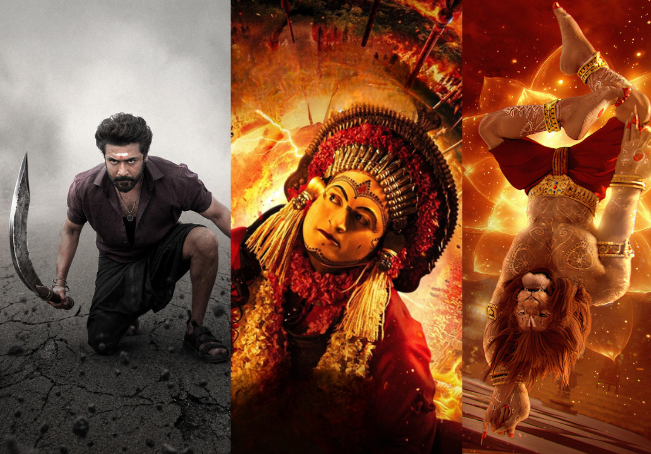
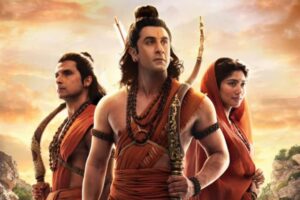
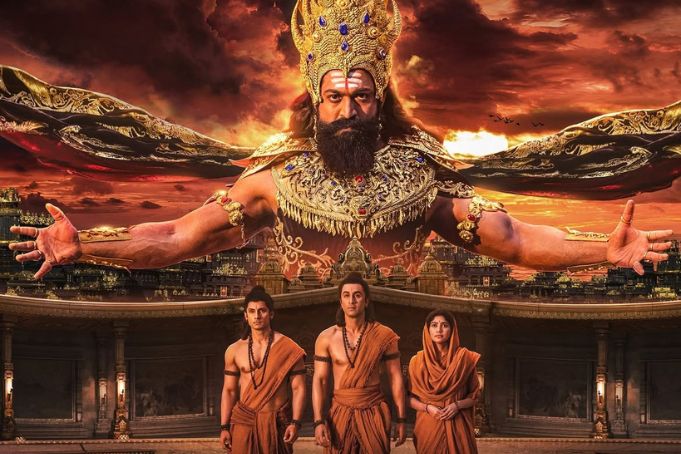
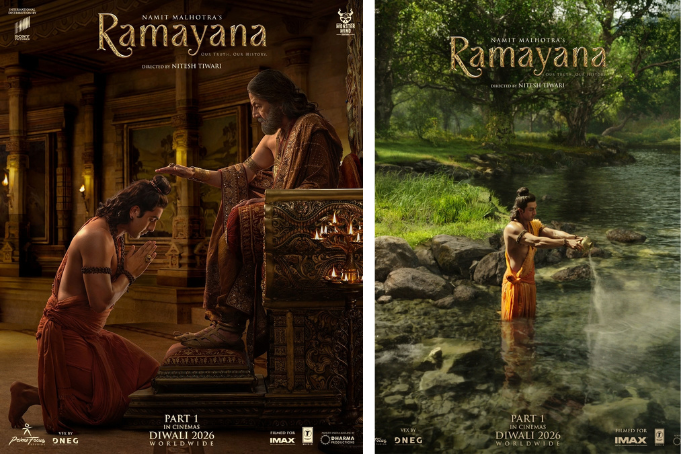
Suriya's “Karuppu,” now a certified blockbuster, has crossed ₹200 crore (gross) worldwide, lifting spirits of the Tamil film industry. Themed around deity worship, it is a concept that has, of late, found favor with filmmakers. "Kantara: A Legend - Chapter 1" (Kannada), "Hanu-Man" (Telugu), "Kalki 2898 AD" (Telugu and Kannada), “Dashavatar” (Marathi), etc., have bought into this trend and have resonated with audiences and also done well commercially. Films in the genre currently under production include “Ramayana,” “Mahavatar Parshuram,” “Jai Hanuman” and “Kantara: A Legend - Chapter 2.”
Cultural rootedness and authenticity, along with the emotional storytelling in these films, have worked for the new-age audience, and filmmakers are tapping into this genre more creatively and expansively.
Related Stories

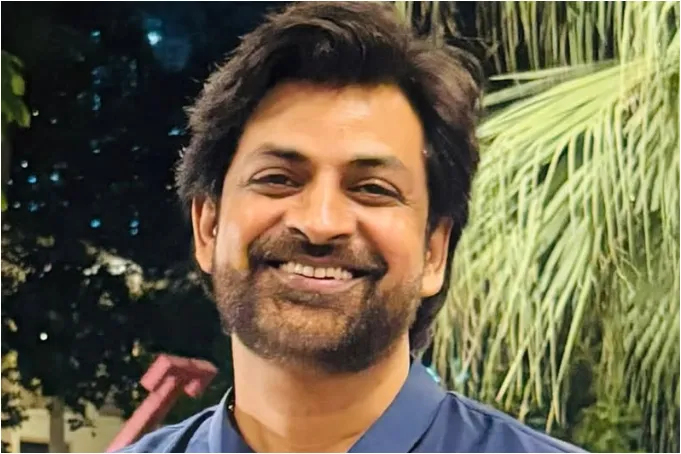
Hindi screenwriter Rajat Arora opines, “I feel that the younger generation wants to connect with their roots. I suppose they want to imbibe the culture through these films. That's why these films are being made. It's actually a very good way to introduce someone to a culture. Unlike the previous generation that grew up reading Amar Chitra Katha comics with mythological stories, the current generation has no context, except for films. In the past, these comics helped introduce youngsters to religion, and they were also very easy reads. And at the same time, when ‘Mahabharata’ and ‘Ramayan’ were aired on Doordarshan, everyone watched them. I feel that mythological films were on the cards because the genre is huge and had largely been untapped for a couple of decades. And once it came and it became successful, it just opened the floodgates. In fact, in between, there were a couple of films like 'Bal Ganesha' and 'Hanuman' that were also successful, but that didn't open up the whole market back then. At the end of it, filmmakers make only what they think audiences are looking for. And what reflects current reality.”
Rishab Shetty's "Kantara" franchise movies became a huge success. The first part (released in 2022) was made on a budget of ₹16 crore and earned ₹309 crore (as per Sacnilk). The first movie in the franchise was a surprise hit, and its pan-India success showed how curious people are about learning about different traditions.
“I remember watching “Kantara” in Kannada. Weeks later, when the dubbed version came out, it became a blockbuster. ‘Kantara’ was a very, very big part of this revival of this genre, but I don't think that positioning it only to the Southern films is the right thing, you know. ‘Ramayana’ is also going to be a huge film. As far as the longevity of this genre is concerned, a genre stays until there is a good story to tell. And we have some amazing stories. So, a genre doesn't die,” adds Rajat.
In both “Kantara” films, the tradition of Bhuta Kola (or Daiva Kola) that is practiced in coastal Karnataka was highlighted, and this practice also became a topic of discussion after the films’ release.
“Myths have always been part of human beings. Myths play a part in our evolution as well. Whether it's the Ice Age, Stone Age, Millennial, Gen Z, or Gen Alpha, myths always pique our curiosity. Most people have only heard about these myths. So, when we give it a visual language through films, people are drawn to it and eager to watch it, rather than believing what they hear. I feel this is one reason why myth-based movies work well,” says Kerala-based producer Lakshmi Warrier, partner of Cheers Entertainments.
“Karuppu”’s success shows how people embrace stories with cultural value and authenticity. “The film’s success is primarily due to the audience’s love for actor Suriya, who hadn't had a superhit for a long time. People were keen for Suriya to have a hit,” says Surbe Selvan, a Chennai-based filmmaker. He adds, “‘Karuppu' is based on the eponymous local deity in Tamil Nadu who protects people of a certain territory and only has limited powers, as shown in the film. Karuppu doesn't want people to suffer and is their savior. That's the belief, and these gods are worshipped mainly in rural areas. The movie connected easily with the audience in the state because these gods are worshipped in the village. “In urban areas, these myths are not that well-known, and the movie made people aware of such customs, forging a shared connection with their culture. There is no need to belong to a particular region to understand such themes.”
Crossover films popular
An important aspect is that crossover films featuring folklore or mythology set in the contemporary world are gaining audience acceptance.
“Films like ‘Karuppu’ aren't new. RJ Balaji’s (director of “Karuppu”) film ‘Mookuthi Amman’ also had similar elements. People watch these films because they are interested in a crossover that has mythical elements and is also simultaneously placed in the present world. While watching the movie, people are also made aware of these elements and can enjoy it. For example, "Lokah Chapter One Chandra" is about myths and folktales, and is set in a universe within the present world. People are enjoying this new way of storytelling,” notes Malayalam director Devan Jayakumar.
Cultural connection
Audiences in India are now showing a strong affinity for traditions, and films such as "Kantara," "Hanu-Man,” "Karuppu," "Tumbbad" and "Karthikeya” have leaned into themes of spirituality, faith and traditions with conviction.
Films such as ‘Kantara,’ ‘Kalki 2898 AD’ and ‘Varanasi’ are large-scale productions based on mythology. Most Indians are spiritual and find mythology-based films easily relatable," says Malayalam actor Nitin Thomas. He adds, “Apart from that, people these days like to watch high-quality productions. That is why the Malayalam movie, ‘Malikappuram’ ticked all the boxes and became a hit."
Speaking about the role of VFX in making these films successful, Rajat adds, “I don’t think that matters much. It is the plot that matters. The special effects might be just a tadka (seasoning) to it. It is required because depicting a war scene between, say, the Pandavas and Kauravas would require VFX. But that doesn't mean that you are only going to see the visual effects, right? You also see what happened in the war. So, it is a need of the genre. It is not a genre-defining thing.









Comments are moderated. They may be edited for clarity and reprinting in whole or in part in Variety publications.