


May 20, 2026 1:50pm IST
From Influencer To Cannes Sensation: Jordan Firstman Scores $17M A24 Deal For New Film
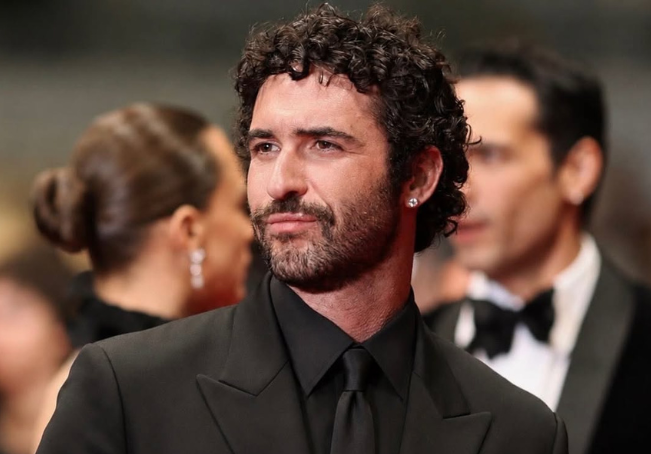
This year’s Cannes Film Festival traded its usual Hollywood glitz for a more subdued, introspective atmosphere. Marked by fewer A-list stars, a lack of studio blockbusters, and a distinctly muted energy, the 2026 edition has instead offered a fascinating, raw look at an industry in transition. As the festival crosses its bittersweet midpoint, here are the four major takeaways from a celebration of cinema that found itself with surprisingly little to celebrate.
AI Steps into the Spotlight
The industry’s most controversial tech has officially stepped out of the shadows. Leading the charge was the “Substance” star and jury member Demi Moore, who turned heads at a press conference by urging filmmakers to embrace AI, warning that fighting it is "a battle that we will lose."
Moore wasn’t a lone voice. The festival and market were flooded with new projects from established directors like Steven Soderbergh and Doug Liman, both of whom utilized AI to cut production costs and execute complex visual sequences. While tech integration has been a massive point of friction — serving as a core grievance in the 2023 Hollywood strikes — Cannes 2026 proved that studios and creators are no longer hiding its use. However, critics still warn that leaning too heavily on automation risks turning cinema into a soulless assembly line.
Why Hollywood Skipped the Croisette
Where were the mega-blockbusters? In recent years, Cannes reliably hosted massive, star-studded spectacles—from Tom Cruise landing a helicopter for “Top Gun: Maverick” to major franchise expansions for “Star Wars” and “Indiana Jones”.
This year, Hollywood chose to stay home. Industry titans like Christopher Nolan and Steven Spielberg reportedly declined invitations. The retreat is partly financial; flying a massive studio campaign to France costs millions during a period of intense corporate belt-tightening. But there is a psychological element, too. "The studios are terrified of the French critics," admitted one prominent sales agent, pointing to the brutal early reviews that previously crippled the momentum of “Solo” and “Indiana Jones and the Dial of Destiny”.
Jordan Firstman’s $17 Million Breakthrough
The undisputed hero of the festival was Jordan Firstman. The writer, actor, and internet personality electrified the Croisette with his directorial debut, “Club Kid”. The film follows a washed-up party promoter forced to grow up overnight when he discovers he has a son.
Following a thunderous standing ovation at the Debussy theater, critics immediately compared the emotional, comedic balance of the film to classics like “Big Daddy” and “Kramer vs. Kramer”. The rapturous reception triggered the festival’s fiercest bidding war, culminating in boutique studio A24 snapping up the global rights for a massive $17 million.
Cinema Echoes a World at War
Geopolitical anxiety cast a heavy shadow over the festival's usual revelry. The ongoing conflicts in Ukraine and the Middle East dominated conversations, with stars like Hannah Einbinder and Javier Bardem publicly expressing solidarity with Palestinians. Bardem pulled no punches, sharply criticizing world leaders Donald Trump, Vladimir Putin, and Benjamin Netanyahu for escalating global violence.
This real-world turmoil heavily mirrored what was on screen. A striking number of competition titles focused on historical conflicts, including “Coward”, “Minotaur”, and “A Man of His Time”. The festival's defining artistic anchor came from “Fatherland”, a drama set in 1949 post-WWII Germany. Its final image — featuring Hanns Zischler and Sandra Hüller seeking solace in a bombed-out church — served as a poignant reminder of war's devastating toll, and art's enduring power to heal.





Comments are moderated. They may be edited for clarity and reprinting in whole or in part in Variety publications.