



May 09, 2026 6:00pm IST
Director Saarthak Dasgupta on finding Irrfan-Vidya’s lost film ‘The Last Tenant’ after 25 years: “I was scared to watch it” (EXCLUSIVE)
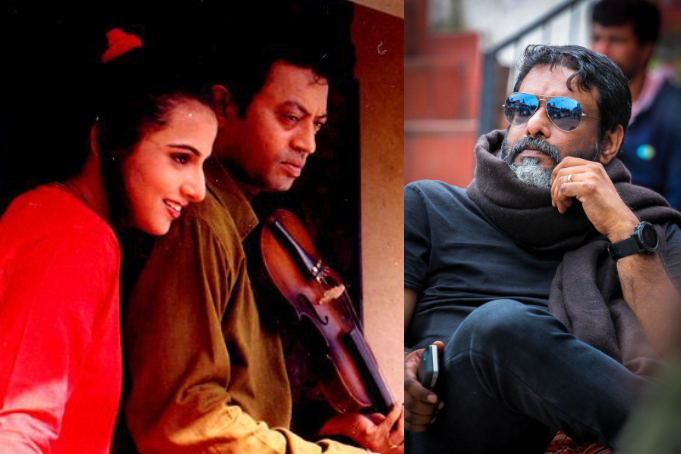
The recent discovery of an old VHS tape while cleaning his house led filmmaker Saarthak Dasgupta to uncover a piece of cinematic history. Hidden inside: “The Last Tenant,” a film he made 25 years ago starring Irrfan Khan and Vidya Balan long before either actor became stars of Indian cinema. Quietly released online years after Irrfan’s passing, the film has now found an unexpected release.
“To see a film released after 25 years, man. Look, my life has been tempered to wait,” Dasgupta says. “‘Music Teacher' was written 17 years before it got made. This was made and then released after 26 years. ‘Dharavi Bank’ was written eight years before it got made. ‘The Great Indian Butterfly’ sat unreleased for seven years. So it happens. Some lives are like these.” The filmmaker pauses before adding, “Either you take to the bottle and become depressed or else you keep writing and keep working and be happy about it. So I chose the second. You have to be spiritual also at the same time while being an artist.”
From SEBI Office To Film Sets
“The Last Tenant” was Dasgupta’s first feature film. Before entering cinema, he had dabbled with everything from engineering and software to finance. He later joined the Securities and Exchange Board of India (SEBI) before abruptly walking away from corporate life. “I had not written one paragraph of fiction before that,” he reveals.
Related Stories
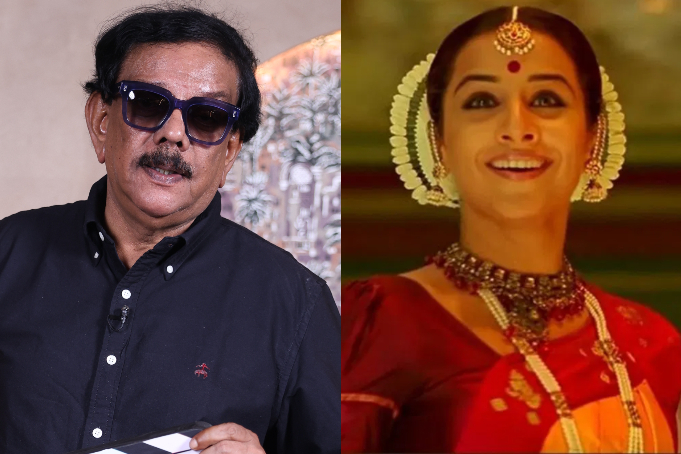

Before They Became Irrfan and Vidya
At the time the film was shot, Irrfan had only just begun transitioning from television into films while Vidya was still far from becoming the actor audiences know today. Dasgupta recalls discovering Balan through a commercial, “I discovered Vidya in an ad film, where the soldier is going back to war and she’s standing at the door. That face was very striking. So I kept asking people if they knew her. I called her, she read the script and she said, ‘It’s fantastic. I’ll do it.’”
Meeting Irrfan was equally surreal for the first-time filmmaker. “I met him at his apartment. He heard the script and immediately said, ‘I’ll do it.’ Then, suddenly, I was next-level (sic) nervous.”
Dasgupta remembers the warmth the actors shared, when he himself was overwhelmed by responsibility. “I was very scared. Not of them, but generally. Because I was producing, I had also written it, and till you test yourself, you doubt everything you do. Plus I had to also be the boss on set, keep an eye on the money and direct the film.”
“But they were very nice. No unusual demands, no tantrums, no impunctuality. Vidya and I used to laugh a lot and talk about life, relationships and random things. Irrfan was already Irrfan. He would quietly come and become the character and maintain that composure.”
The Film That Disappeared
After the film’s completion, however, disaster struck. One master tape disappeared. Another was damaged beyond repair by fungus. Over time, Dasgupta stopped mentioning the film publicly. “To keep telling people in the industry that I had made a film with Irrfan and Vidya felt ridiculous because people would laugh,” he says. “So I stopped talking about it. I pushed it into some dark corner.”
The rediscovery happened almost accidentally while Dasgupta was sorting through old tapes he had almost considered throwing away, “I thought they were duplicate wedding videos. There isn’t even a VHS player anymore. I was literally about to throw them when I suddenly thought, ‘What if there’s footage of my parents in there?’ My parents are no more. So, I stopped.”
“Then one of my assistants called me and said, ‘Sir, there’s something with Irrfan and Vidya in this.’ Honestly, I was not euphoric. I was scared to even watch it because what if I didn’t like it? What if it was crazy shit? I had anxiety watching my own film.”
The eventual release of “The Last Tenant” happened impulsively on Irrfan’s death anniversary which falls on April 29. “One of my assistants suddenly said, ‘Today is Irrfan’s death anniversary.’ I said, ‘Let’s take it out.’ There was no strategy. No press. No marketing. I sent Vidya a message and she replied saying, ‘Wow, what is this?’ Then suddenly it started growing on its own,” shares Dasgupta.
The filmmaker believes the film’s emotional softness has contributed heavily to its resonance with audiences rediscovering Irrfan.
“It’s a very subtle love story told in a very old-school style. It’s soft, bittersweet. If this had been a thriller where he’s playing a cop or something, maybe it wouldn’t have had this impact. When you’re watching someone who’s no more and the film itself has that tenderness, it adds another emotional layer.”
What Happens to Independent Films In India?
The rediscovery of “The Last Tenant” has also reopened conversations around the preservation of India’s independent cinema, something Dasgupta feels the industry has repeatedly neglected. “We hardly preserve our independent films. But honestly, it’s our responsibility. I failed at preserving this properly. The world has bigger problems to solve. Nobody else is going to archive your work for you.”
Dasgupta, whose later projects include “Music Teacher” and “Dharavi Bank,” says the current ecosystem remains deeply challenging for filmmakers trying to tell intimate, human stories. “I have hundreds of stories and probably a dozen scripts. Most of them are subtle, relationship-driven films; very difficult to make today. We thought OTT would change everything. And initially, it did. But OTT has now become another commercial system.”
While he questions the system for not championing independent cinema, he is hopeful, optimistic, and stubborn about making films that he wants to.












Comments are moderated. They may be edited for clarity and reprinting in whole or in part in Variety publications.