



May 06, 2026 1:33pm IST
Producer Suresh Triveni on ‘Razaa’: “With Short Films, There Are No Great Commercial Models… You Only Have Passion’
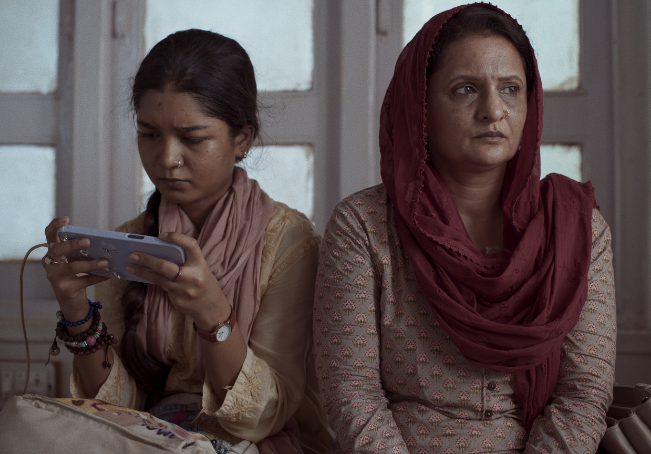
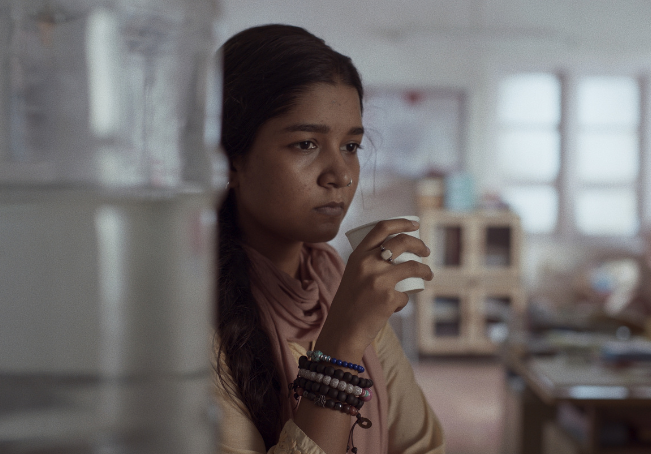
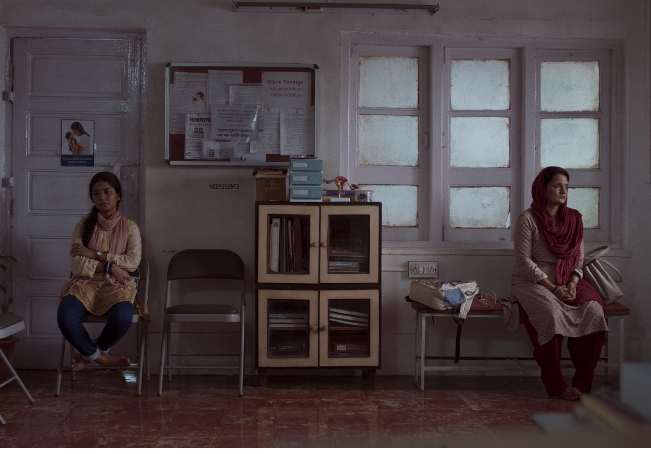
In a tense, quiet gynaecologist’s clinic, 18-year-old Razaa sits glued to a violent video game while her mother, Sabeen, trembles with anxiety. They are there for an abortion — a decision that feels like a necessity to one and a "sin" to the other. The air is thick with the fear of Razaa’s father finding out, a man whose presence looms large over their lives despite never appearing on screen. “Razaa” (meaning "Will") is a poignant, 15-minute dive into the heart of a domestic battlefield, exploring why the simple act of making a choice can feel like a life-threatening risk for women living under the shadow of patriarchy.
The film has resonated deeply on the international stage, carving out a stellar path through the 2025 film festival circuit. It received an Honorable Mention for Best Short Film at the Tasveer Film Festival, the Oltre Le Sbarre (Beyond The Bars) Award at the Castellinaria Film Festival, and dominated the Yellowstone International Film Festival with wins for Best Director and Best Actress.
Related Stories
The Creative Spark: Why This Story?
For writer-director Pooja Tolani, the film was born out of a desire to flip the traditional narrative surrounding unwanted pregnancies. While society often focuses on the stigma of the "unmarried girl," Tolani wanted to explore the neglected perspective of the married woman.
"We judge the unmarried girl in a certain way, we judge the married woman who doesn't want a child in a completely different way, but we judge them both," Tolani explains.
A Partnership of Passion
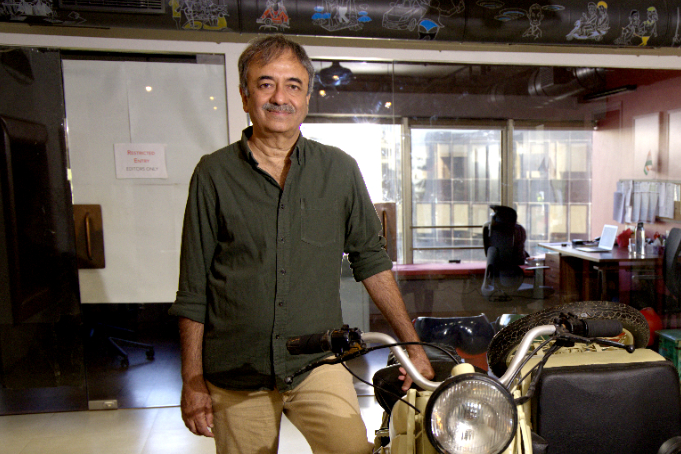
Producer Suresh Triveni, known for his work on major features such as “Tumhari Sulu”, “Jalsa”, and “Subedaar”, was immediately struck by the script’s restraint. Having worked with Tolani for years, he recognized her unique director brain and felt the story was too important to pass up, regardless of commercial viability.
"For me, with short films, there are no great commercial models... you only have passion," says Triveni. "What attracted me towards the narrative was Pooja's take because... it's said without saying too many things. It's not much dialogue. It's not expositional. And that's how a story should be told."
Despite the sensitive nature of the topic, Triveni notes that they never had second thoughts about the project. "We were not too worried about whether it is too sensitive... because we knew it was in the hands of a very efficient writer-director."
The Ghost in the Room
One of the film’s most striking creative choices is the absence of the father character. Though he triggers the climax of the film, he is heard but never seen. Tolani describes this as a way to make the "patriarchal violence felt rather than seen."
"The ghost is always more scary when you don't see the ghost," she remarks. "If we don't see him, it's going to be more impactful. It worked better... practically, of course, it worked, but because if we had needed it, we would have shot it."
 The Meaning of “Razaa”
The film’s title, "Razaa", translates to ‘Will’, a word that carries dual significance in the story. While it is the daughter’s name, it also represents the internal battle for agency. Tolani focuses on the friction between two generations of women: the mother, Sabeen, who has been conditioned by years of silence, and her 18-year-old daughter, who possesses a fiery, modern outlook.
"The mother's conditioning is what I find interesting," says Tolani. "She accepts the fact that her life is governed by what the men in her life want. But the girl is 18 years old... she has been exposed to the possibility of freedom. She realizes that what she has gotten is a very raw deal, and that’s why she’s angry."
By focusing on this high-stakes mother-daughter dynamic, the film explores how the "will" to make a choice is often a collaborative, if painful, effort between those who have the courage to dream and those who have been taught to fear.
Impact and Takeaway
When asked what they hope audiences — both men and women — take away from the film, the creators hope for a moment of profound reflection.
Triveni emphasizes the "afterthought" a film should leave: "You should be left with a feeling that it should make you think about where you are, especially in a subject like this, which talks about choice in a very, very strong manner."
For Tolani, the goal is more personal. She hopes the film acts as a catalyst for autonomy: "If even one person kind of gets that clarity of thought... that moment of clarity, I feel like sometimes it comes from watching something... if it even helps one person move an inch closer to finding their own autonomy, I think I'm good." As for the men in the audience? Tolani is candid: "If a man is taken by surprise and a bit of guilt enters that person's head, I would not mind it."



Comments are moderated. They may be edited for clarity and reprinting in whole or in part in Variety publications.