



May 01, 2026 3:54pm IST
‘Michael’: What The Biopic Got Right And What It Didn’t
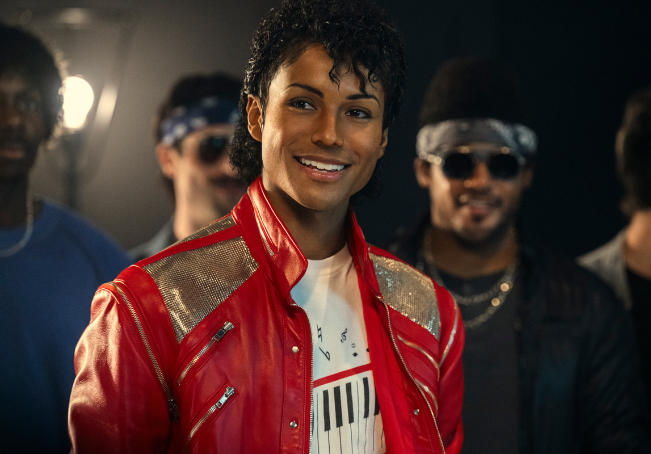
Biopics often walk a tightrope between historical accuracy and dramatic storytelling, and “Michael” is no exception. While the film manages to capture the electrifying energy of the King of Pop’s stage presence and the intense pressure of his early years, it takes significant creative liberties with his life story.
In this breakdown, we explore what the movie got right, where it leaned into Hollywood drama, and which parts of the Jackson legacy were left on the cutting room floor.
Why didn’t one get to see all the Jackson siblings?
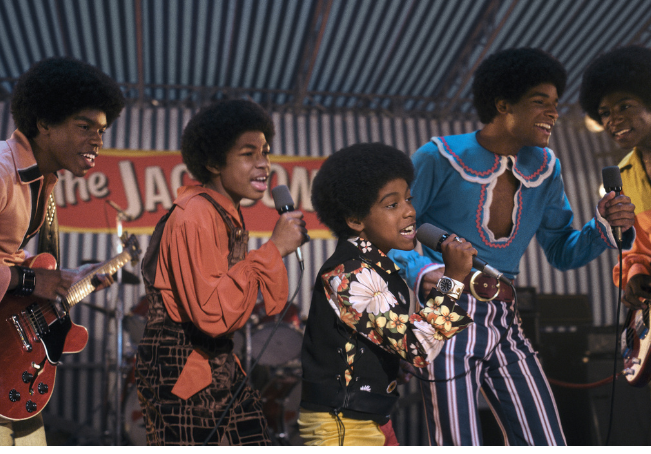
While the film focuses heavily on the brothers who formed the original Jackson 5, it curiously erases three key members of the family, effectively shrinking one of music’s most famous households. Starting with the very eldest sister, Rebbie. Now while she would have been a teenager living in the household when the film starts, one doesn’t get to see her at all as she’d declined to participate or be shown in it.
Similarly, Randy Jackson — who was five years old when the story began and eventually became an essential "sixth member" and songwriter for the group — is treated as if he never existed at all. Even the iconic Janet Jackson is missing from the timeline; despite her real-life journey from a child in the family home to a television star and solo powerhouse. La Toya Jackson spoke to Variety at the premiere of the film where she confirmed that Janet was directly asked to be portrayed on-screen in the film, but "she kindly declined:" "I wish everybody was in the movie. She was asked and she kindly declined, so you have to respect her wishes."
While it is unknown as to why Rebbie made this decision, a theory amongst fans is that she wanted to show solidarity with Janet and Randy (her manager), given their close relationship (the duo co-founded Rhythm Nation Records together in 2018).
Related Stories
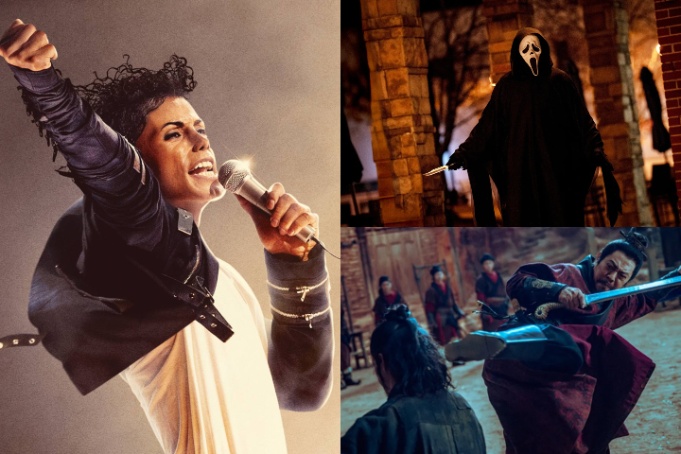
There’s no Diana Ross either
It wasn’t just family that audiences didn’t get to see in the movie, but some of Michael’s closest friends as well. Diana Ross, who famously co-starred with Michael in 1978's “The Wiz”, and considered to be his mentor is nowhere to be seen. What makes things worse is that there were certain scenes that had Swiss American actress Kat Graham playing Ross that were left out at the edit table. In a recent statement last week, Graham came out with a statement on social media to clear the air saying, "Ahead of the April 24 release of the Michael Jackson film, I want to share that certain legal considerations affected a few scenes, including the ones I filmed with an incredible cast. Unfortunately, those moments are no longer part of the final cut, though the team worked hard to preserve as much of the story as possible."
Did Joe Jackson really beat his son up?
The film’s portrayal of Joe Jackson’s "tough love" is backed by decades of harrowing real-life testimony. Michael famously told Oprah Winfrey in 1993, "Yes, he did" beat him, admitting that Joe’s presence was so terrifying it would cause him to "start to regurgitate." While Michael detailed abuse involving "iron cords" and belts, Joe Jackson maintained a semantic defense until his death, telling the BBC and Louis Theroux, "I whipped him with a switch and a belt. I never beat him — you beat somebody with a stick."
Even Michael’s mother, Katherine, downplayed the severity in later years, describing the violence as a mere "licking" for doing something wrong. As for the mocking nickname "Big Nose," the movie points the finger at Joe, but history suggests a more complicated dynamic; while some outlets blame the father, biographer J. Randy Taraborrelli notes it was actually Michael's brothers who first taunted him with the cruel label.
Did Michael broker a gang truce for ‘Beat It’?
The movie leans into the legendary story of Michael Jackson uniting rival gangs for the "Beat It" music video, a detail that is remarkably grounded in truth. Seeking a gritty, West Side Story aesthetic, Michael insisted on casting actual members of the Crips and Bloods alongside professional dancers. Director Bob Giraldi initially resisted the idea, noting it was difficult enough to direct actors, "let alone hoods." However, after coordinating with the LAPD's gang squad, approximately 80 real "street dudes" were brought to the set. While the film highlights the harmony of the project, the reality was more volatile; Giraldi recalled "a few incidents" between the rivals that nearly caused the police to shut down the production. Despite the tension, the gamble paid off, with dancer Popin Pete remembering that the tough arrivals eventually "switched to the nicest people ever" during the shoot.
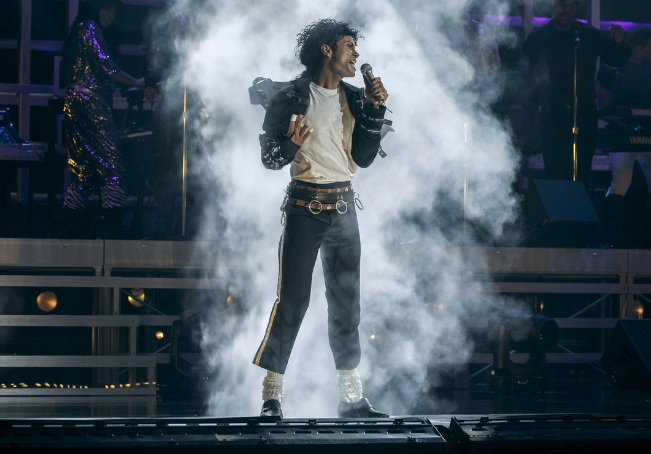
Did the Pepsi commercial disaster happen?
The film accurately recreates the harrowing 1984 moment when Michael's hair ignited during a pyrotechnics mishap. On January 27, 1984, a fireworks display went off prematurely, leaving Michael "literally standing in a ball of flames," as one crew member described it. The movie’s depiction of the aftermath is also historically sound; instead of suing PepsiCo, Michael brokered a $1.5 million settlement and demanded the funds be used to establish the Michael Jackson Burn Center at Brotman Medical Center. While the center eventually closed in 1987, the incident remains a pivotal turning point in Michael’s life and health, faithfully captured by the filmmakers.
How many wild animals did Michael Jackson really have?
While it’s true that Michael Jackson’s family home was famously filled with tigers, llamas, and deer, the film plays fast and loose with when these animals actually arrived. The movie shows Michael adopting a baby Bubbles around 1979; in reality, the famous chimpanzee wasn't even born until 1983. The same goes for the family's exotic giraffe, Jabbar. While the film places the long-necked resident at the home in the early 80s, real-life records and California game officials show the giraffe didn't cause a stir at the property until 1986. While the film captures the eccentric spirit of Michael’s love for animals — including a parrot and a troupe of peacocks — it accelerates history by nearly six years to fit its narrative.
Who really witnessed Michael’s first nose job?
In a tense cinematic moment, the movie shows Joe Jackson confronting a bandaged Michael after his first rhinoplasty with a shocked “Oh, my God.” However, according to the Jackson family’s own accounts, this confrontation is a bit of Hollywood dramatization. In his 2011 autobiography, "You Are Not Alone", Jermaine Jackson clarifies that it was he, not their father, who actually intercepted Michael at home. Jermaine recalled asking his brother, “What the hell happened to you?” and while the film suggests Michael used a sinus issue as a cover-up, Jermaine was told at the time that the surgery was necessary due to a fall in the house. The movie chooses to give the dramatic reaction to Joe to heighten the paternal conflict.
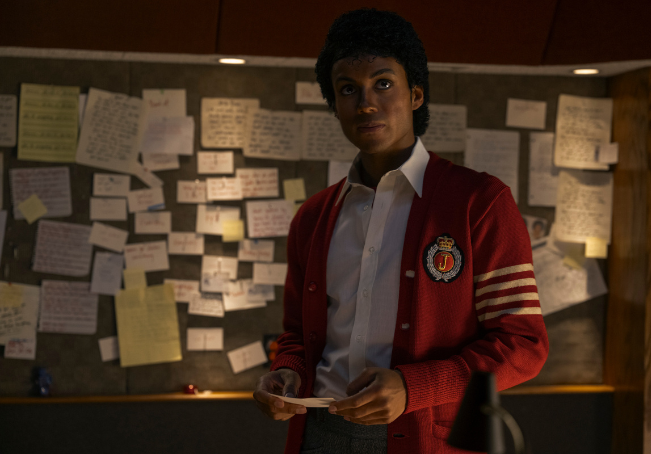
What’s the real story behind the origin of “Thriller”?
The movie suggests Michael’s horror-flick obsession directly sparked the name of his most famous track, but the real story belongs to songwriter Rod Temperton. While Michael certainly loved the genre and later conceptualized the "monster" theme for the music video, the song itself began as a demo titled "Starlight." The transformation happened when Temperton woke up in a hotel room with the word "thriller" in his head. After he completely rewrote the lyrics to fit the title, Jackson and producer Quincy Jones agreed to make it the centerpiece of the album. The film simplifies this collaborative creative process into a ‘eureka’ moment for Michael to better fit the narrative of his cinematic vision.
Is the Victory Tour farewell performance rightly depicted?
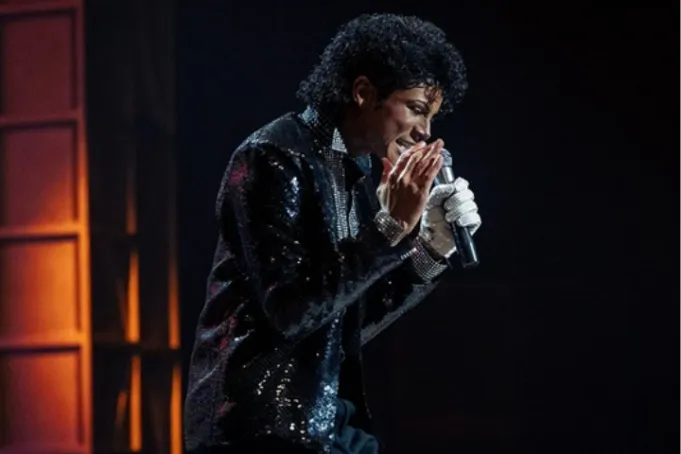
The film’s climax captures the fractured dynamic of the 1984 Victory Tour, accurately depicting the involvement of promoter Don King and Michael’s bombshell retirement announcement. While the film correctly shows Michael’s onstage declaration at Dodger Stadium — "this is our last and final tour" — it misses the fact that all six brothers were actually present. The movie shows only five because Randy remains absent from the script.







Comments are moderated. They may be edited for clarity and reprinting in whole or in part in Variety publications.