



May 14, 2026 10:00am IST
The ‘Gender-Agnostic’ Screen: Why Indian Cinema Is Fighting To Break The 75% Male Default

At the 79th Cannes Film Festival, amid the glitz of the French Riviera, actor Alia Bhatt sparked a global conversation that hit close to home for the Indian film industry. While reflecting on the massive success of female-led global hits like “Barbie,” “Wuthering Heights” and “The Devil Wears Prada 2,” Bhatt also questioned a long-standing Bollywood dogma: catering to an almost exclusively male audience.
“In India, when we talk about box office, there is a conversation that comes up pretty often — that 75% of the movie-going audience is male, so we need to cater to the masses,” Bhatt noted. Her plea was simple yet radical: "Why can’t cinema be gender-agnostic?
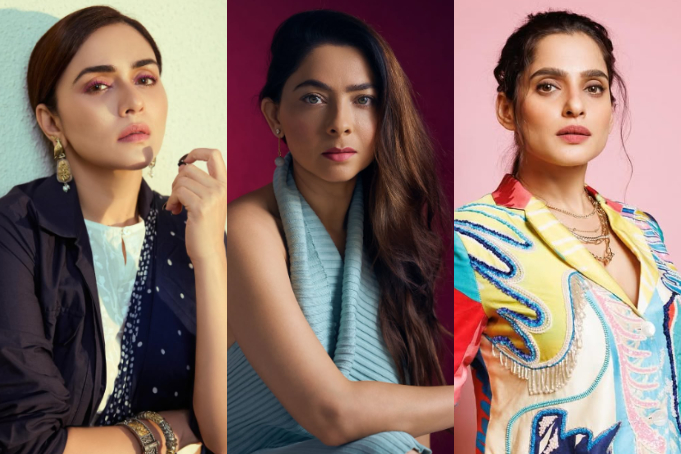
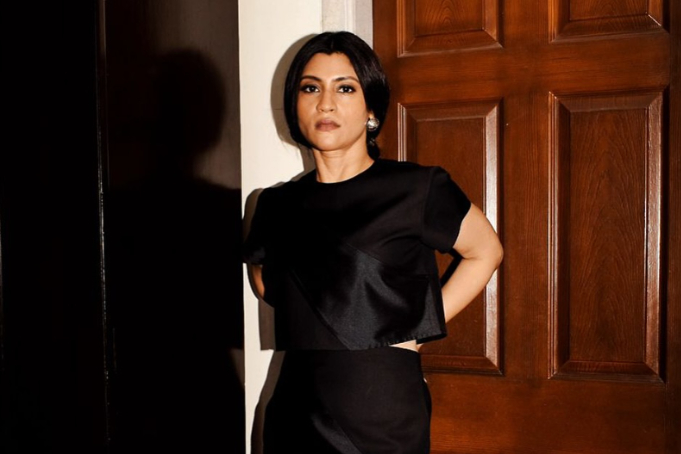
For filmmakers Ashima Chibber, who made “Mrs Chatterjee vs Norway”, Pooja Tolani (director of the short film “Razaa”) and producer Monisha Advani (Emmay Entertainment), Bhatt’s comments aren't just industry chatter — they are a lived reality. Here is an exploration of why the alpha male still dominates the Indian big screen, and what it will take to change the math.
The "75% Male" Myth and the Burden of Proof

The industry’s reliance on the statistic that three-quarters of the audience is male has created a "default setting" where male-led action movies are greenlit with ease, while women-led stories face a grueling "crossover" test.
Monisha Advani confirms that getting high-concept stories without male leads off the ground is "undoubtedly" harder. However, she notes that the "burden of proof" can be met if the emotional core is strong enough. "The effort it took us to greenlight a film like "Mrs. Chatterjee versus Norway"... the compelling aspect of the story appealed to not just women in the room, but it appealed to also the men in that studio who turned around and said, 'this story must be told.'"
Ashima Chibber points out that while the doors swing open for male action stars, female stories are often crunched through a different calculator. “Any kind of female stories... it’s very difficult because the math doesn't sit,” she says. “Our film industry is a business... you have to tailor-make the art to fit into the budget.”
Pooja Tolani echoes this, noting that the industry often equates women-led with niche or serious. "The minute you say there is a woman in the lead, you automatically assume it’s going to be a sad film. You assume women are not capable of entertaining you, which is ironical because women historically are the ones who entertain you."
Tolani argues that a film with a man at the center is just called a film, while a woman-led project is labeled a female-centric film, a linguistic block that limits its perceived market value. "A film with a woman in the lead is a female-centric film. Whether it did well or not is a separate thing, but it's a female-centric film. But a film with a man at centre stage is just a film. It's not a man-centric film. So I feel like that also is a bit of a block that we have created around ourselves.”
Related Stories
Aspirational vs. Aggressive: The Cultural Block

While Hollywood has successfully marketed aspirational female stories as global gold, Indian distributors often relegate high-concept women’s stories to streaming apps (OTT), treating the theater as a purely masculine space.
Advani points out that this block is a reflection of deeper societal issues. "We even regard, politically regard women as a minority and we have to fight for the reservation. It’s unfortunate when 49% of your population has to be regarded as a minority. So I think that there's a society reset, which we have been fighting and challenging for the last 2000 years."
Chibber believes the Indian audience is starving for something beyond gravity-defying action. She points to films like “Queen” and “Veere Di Wedding” as proof that women are showing up. "People are wanting to feel and see something aspirational. If you’re with your family, who’s making the decisions? It’s the mothers, the sisters. It’s seldom the boys."
Tolani, however, offers a darker reflection on why the alpha culture is trending in 2026. She suggests the current slate of aggressive male protagonists reflects a broader societal mood. "There is so much aggression... these male characters, the hero worship, they are the new gods. It’s reflective of the mood of the men in the country today... it’s setting a very disturbing role model for younger men."
The 'Alpha' Litmus Test: High Stakes for Female Action
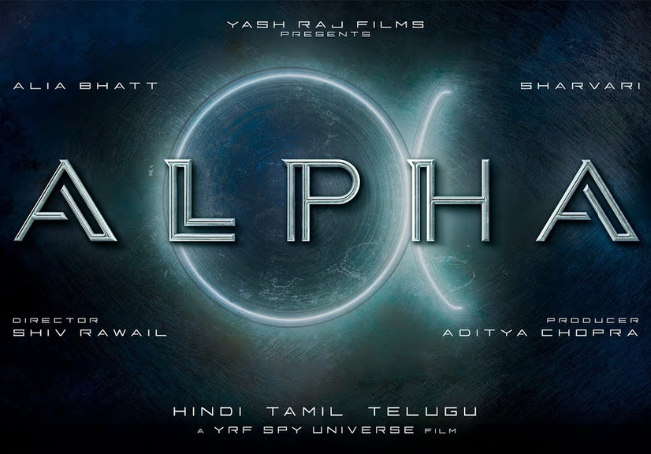
The conversation inevitably turns to “Alpha,” the upcoming YRF Spy Universe film starring Alia Bhatt and Sharvari. As a rare entry for women into a high-budget "spy-verse" typically reserved for the likes of “Pathaan” and “Tiger,” the film carries an unfair weight.
Advani, while dismissing any patronizing views on women in action, acknowledges the industry's "herd mentality" regarding the film's success. "It’s about time we saw women kicking butts," she says. "I think what you're saying is, would it be a trendsetter should it succeed? Herd mentality is a part of being a part of the animal kingdom. And we display that amply in this industry. If it emerges that we have these kind of examples that can actually succeed and it creates that kind of inertia, so be it. It will be great."
Chibber is optimistic but cautious. "I have a lot of hope for 'Alpha'... but if it doesn't [succeed], then it is going to be a big problem." She notes that while male-led flops are often forgiven as 'bad movies,' a female-led action flop can shut the door for an entire genre.
Tolani calls this a Catch-22 situation. "It’s not just the pressure on one film; it’s the pressure on five other films after that, which will then feel the pressure of becoming like ‘Alpha’ if it does well. I wish for that film to do well in the spirit of sisterhood."
The Path to a Gender-Agnostic Future
Is "gender-agnostic" cinema actually possible? Both directors agree that while the perspective of a story is often shaped by gender — like the unique stakes of a pregnant woman in “Kahaani” — the appeal of the story should not be. So what’s the solution? Guts and money.
Advani believes the key lies in financial independence. "What we need to do is actually fix the supply chain to get funding into the business so that we can take such independent decisions as filmmakers. If you build it, they will come." She also looks toward User Generated Content (UGC) as a signal of what the audience truly wants. "If you are empowered and you're free, your hands are free, you're more likely to make female-led content."
Tolani believes the lockjam will only break when investors show the same conviction for women that they do for men. "We need investors who will identify a good story and say, ‘Yes, we are going to put in the budgets required to create enough buzz.’ “Barbie” and “The Devil Wears Prada 2” didn’t do well just because women watched it; it did well because of insane marketing and conviction."
Ashima Chibber maintains that story is king, regardless of gender. "If you have a unique story, people will say, 'Okay, let’s make it.' Things are taking a turn for the better because more makers are women now."
As Alia Bhatt’s comments continue to ripple through the industry, the message is clear: The audience is ready to move past the "75% male" metric. The question is whether the gatekeepers are brave enough to let the storytelling take center stage.






Comments are moderated. They may be edited for clarity and reprinting in whole or in part in Variety publications.