



Nov 25, 2026 7:28pm IST
‘Sadhak Bamakhyapa’ Impact: West Bengal CM Announces Measures to Boost Bengali Cinema; Filmmakers Weigh In (EXCLUSIVE)
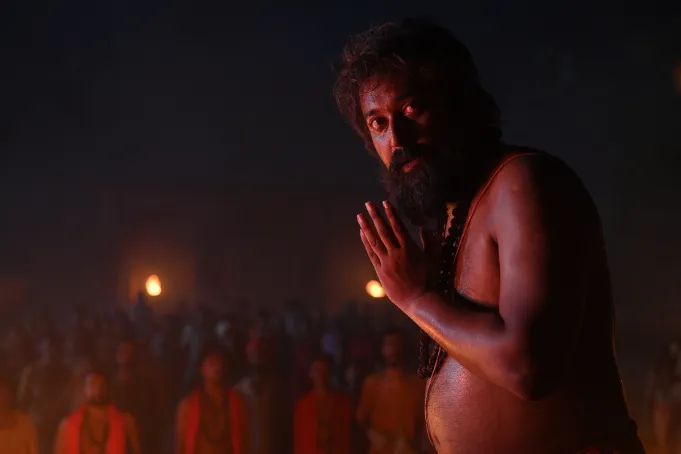
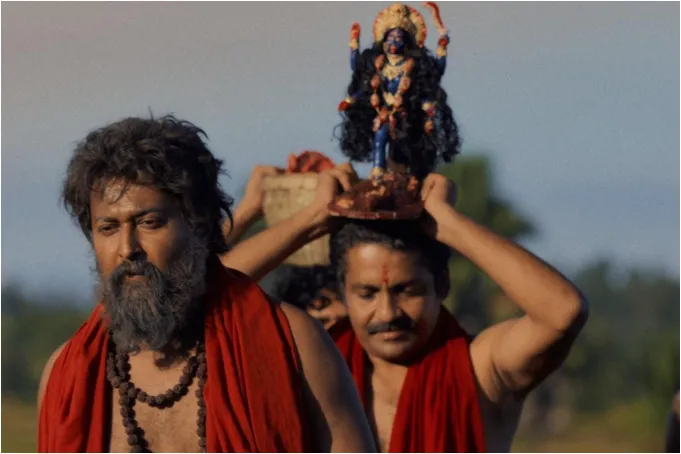
The Bengali film “Sadhak Bamakhyapa,” which is receiving immense love from audiences, has prompted the West Bengal government to announce new measures to support the local film industry. The film has been running to packed houses across the state but faced the prospect of losing its afternoon and evening screening slots to Hindi films such as “Yeh Prem Mol Liya” and “Gunmaaster G9,” which are arriving in theatres on November 27. After the makers raised their concerns, Chief Minister Suvendu Adhikari held a meeting with industry representatives at the state secretariat, Nabanna. The key issues discussed included prime-time screening slots for Bengali films, the construction of single-screen theatres and funding for regional filmmakers. Variety India spoke to several people associated with the industry to gauge their reactions.
A step in the right direction
Sayantan Ghosal, the director of “Sadhak Bamakhyapa,” says, “This is a fantastic feeling. When you make a movie with conviction and the audience responds in such an overwhelming manner, you hope that it gets its due. I am thankful to the chief minister for stepping in at the right time. This is not just about my film. The entire industry stands to benefit from this.”
He calls it a step in the right direction. “I feel Bengali cinema has a huge audience. We just need to create more awareness and opportunities around it. As a filmmaker, I do not want any special favors,” Ghosal adds.
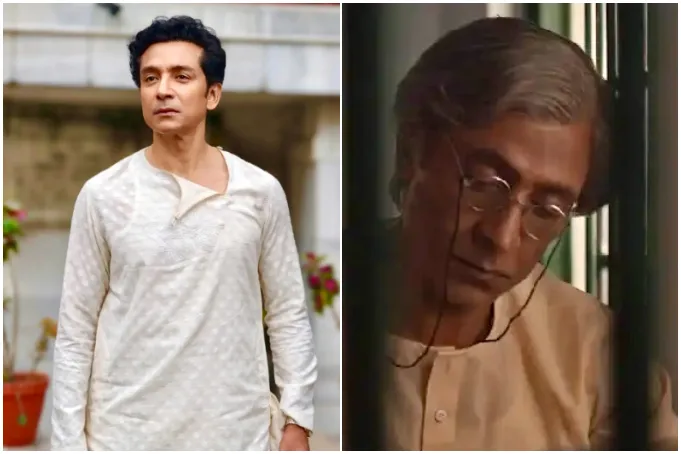
Samik Roy Choudhury, who struggled to find screens for his August release “Maya Satya Bhram,” was also present at the meeting. He tells Variety India, “This time, West Bengal’s biggest film production house was facing the same problem of screen shortage, despite its film performing excellently at the box office. Last year, it was decided that Bengali films should get prime-time slots (3 p.m. to 9 p.m.) in all theaters. However, exhibitors and hall owners were not following it. The CM has said that this is mandatory and that those who repeatedly violate the rule will have their licenses revoked. I have a film, ‘Mushroom,’ releasing on December 4. Let us see how this works.”
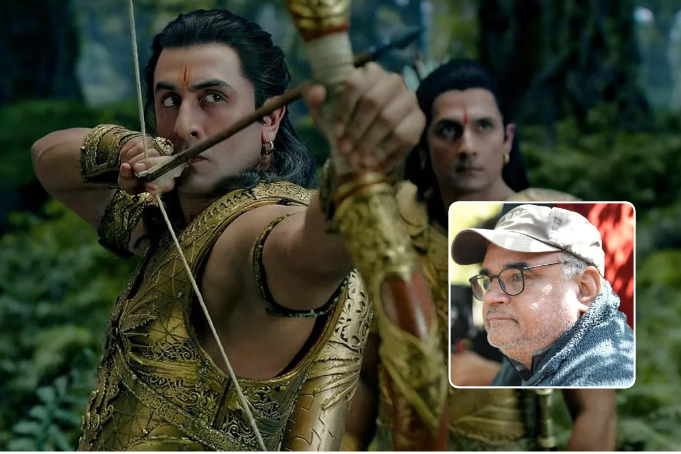
Filmmaker Debaloy Bhattacharya, who is gearing up for the release of his horror film “Bhugun,” one of the most expensive films the industry has made, says Adhikari’s statements have come as a “big relief.” He says, “This was much needed. The Bengali film industry requires support from the state government. We are seeing how other film industries are flourishing because of government intervention. Construction of single-screen theaters and subsidies are the first step. We are hopeful that this support grows in the coming days.”
Bhattacharya also feels that safeguarding screens for “Sadhak Bamakhyapa” should not be a one-off measure. “This particular film is faring very well across the state. We have to see how these rules are implemented for upcoming Bengali films. It should not be a sole example,” he adds.
Adhikari has also assured filmmakers that the government will open 51 state-run single-screen cinema halls within the next year. As of now, the state runs only two halls, Nandan and Radha. “From 800 single-screen theaters a decade ago, the state now has just 94. This is a major reason for the decline of the local industry,” says Roy Choudhury. Whenever a big Hindi, Hollywood or South Indian film releases, Bengali movies get pushed out of theaters. Veteran actors Mithun Chakraborty and Prosenjit Chatterjee joined the meeting virtually. Chakraborty, who will head a committee set up to ensure more screen time for Bengali films, urged hall owners to think about the local industry and not just their profit margins.
Related Stories
Funding for filmmakers
Roy Choudhury says he raised the issue of government financial support for regional filmmakers. “There are several states that give subsidies to local filmmakers. They give ₹10 lakh for a small film and ₹25 lakh to ₹30 lakh for a medium-budget film. If a filmmaker wants to make movies for children, they get a subsidy of around ₹25 lakh. And for bigger productions, they give ₹40 lakh. These things are just not there in West Bengal. Long ago, the state government would produce and curate films, like the ones made by Satyajit Ray. The CM assured us he is looking into the matter.”
Actor Tota Roy Choudhury, known for films such as “Emperor Vs Sarat Chandra,” “Tekka” and “Chokher Bali,” as well as the “Feluda” web series, has previously expressed disappointment over the level of investment in Bengali films. He too felt that Government support would attract more investment in Bengal's film industry. He had told Variety India, “I believe our distribution needs to be stronger. How many people speak Malayalam in India? It is close to 3.8 crore, to the best of my knowledge. The investment in that industry is around ₹900 crore. How many people speak Bengali in India? Around 10.5 to 11 crore. And the investment is a measly ₹150 crore per annum. This needs to change.”
Popular on Variety
Government aid for hall owners and distributors
At the meeting, Adhikari also said the government would work on a system to protect the interests of hall owners, distributors and exhibitors. Samik Roy Choudhury says, “The CM said the government would look into the financial analytics of distribution and exhibition. If a hall owner or exhibitor runs into losses, the government will support them, or perhaps the government and producers will try to compensate them together.”
Bhattacharya, however, has reservations. “This compensation bit can be quite ambiguous. You have to give a Bengali film a fair chance. If it is not working, pull it from theaters. But when a movie is running houseful, you cannot pull it for Hindi or Hollywood releases. This is the basic security we are demanding. If a Bengali film doesn’t work, the exhibitor has the right to pull it.”














Comments are moderated. They may be edited for clarity and reprinting in whole or in part in Variety publications.