



Nov 25, 2026 6:00pm IST
Vikram Bhatt on The Resurgence of Creature Horror Films and The Difficulties of Making One: ‘Your Principal Villain Doesn’t Turn Up on Set’ (EXCLUSIVE)
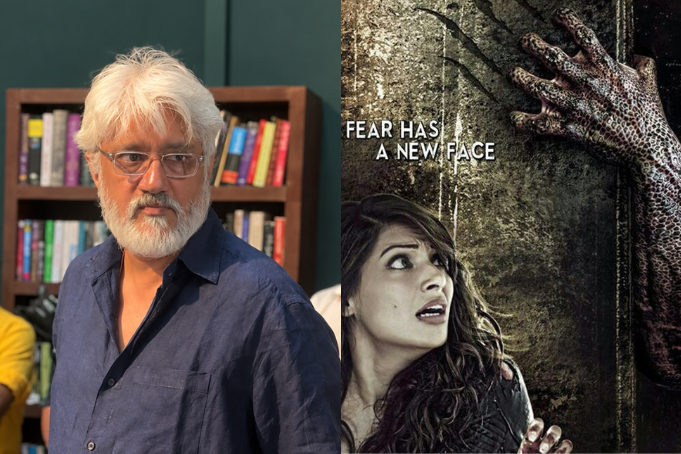
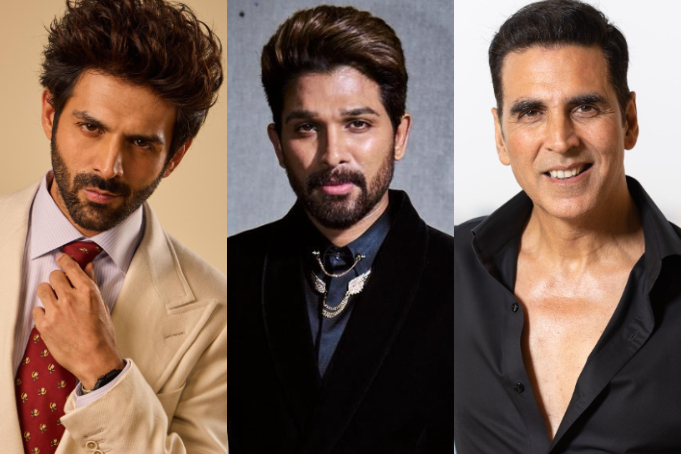
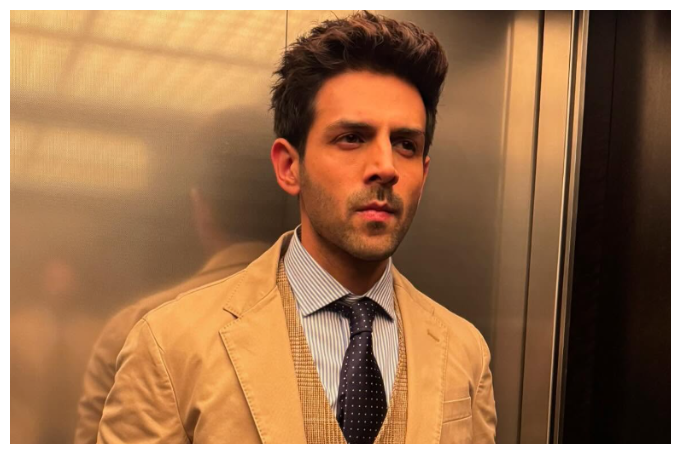
Creature horror films rooted in local mythologies have been in existence in Hindi cinema as early as the 1980s, courtesy of the Ramsay Brothers and their low-budget hits. 2018 saw “Tumbbad” and 2024 saw “Munjya” but it’s been slim pickings since. In the next couple of years, Indian audiences will have plenty more films in the genre: “Samuk” (Akshay Kumar), “Kaaliya” (Kartik Aaryan), “Tumbbad 2” (Alia Bhatt) and “Raaka” (Allu Arjun). And all three are big-budget spectacles.
But what usually gets missed, is that in 2014, director Vikram Bhatt’s “Creature 3D” attempted a big-budget Indian mythological monster thriller. The Bipasha Basu-starring film laid the groundwork for the genre more than a decade before Kartik Aaryan’s upcoming 2028 release.
Variety India speaks to the pioneering director on the making of the film and the resurgence of the genre…
Creature horror films are considered a new genre. You made one in 2014. Do you feel like a pioneer?
I don't know about being a pioneer. I think that's a title other people give you. You don't wake up one morning and decide to become one. You wake up with an idea that excites you and then spend the next two years wondering why on earth you decided to make that film! But yes, I do think “Creature 3D” was an ambitious film for its time. We were attempting something that Hindi cinema hadn't really explored on that scale. We were creating a creature that didn't exist, giving it a mythology base, a personality, and making it the central antagonist of a film. And remember, in 2014, we didn't have the technology or the resources that filmmakers have at their disposal today.
Tell me about the genesis of ‘Creature’?
It was actually quite simple. I have always believed that fear of the unknown is the most primal fear of all. A ghost is frightening, certainly, but a ghost is also something that audiences have become familiar with. We know the rules of a ghost story. But what happens when you encounter something that you cannot identify? Something that doesn't belong to the natural world as you understand it? That fascinated me. And I wanted to make a monster movie. Why should Hollywood have all the monsters? We have an extraordinary wealth of mythology in this country. We have creatures and legends that are far more fascinating than anything a screenwriter could invent. I wanted to explore that world.
Related Stories
Was it difficult to create an indigenous creature?
Immensely. Because when you're making a creature film, your principal villain doesn't turn up on the set! You have to direct actors who are reacting to something that isn't there. You have to design shots around something that will only exist months later. And then you have to make that creature believable enough for an audience to be frightened of it. The financial challenge was enormous because visual effects were expensive, and we were also making the film in 3D. Every creative decision had a financial consequence. And unlike today, when you have access to extraordinary computing power and AI tools, back then you had to build almost everything through a very laborious process.
Was it ahead of its time?
Perhaps. But I think filmmakers sometimes use that phrase to console themselves when a film doesn't work as well as they hoped. The fact is that a film has to work in the time in which it is released. You cannot send a message to the audience saying, please appreciate this 10 years later! Having said that, if I made “Creature” today, it would be a very different film. Technology has changed dramatically. The cost of creating imagery is changing. The ability to imagine something and actually put it on screen is becoming far more accessible. And audiences have changed too. They are much more comfortable with genre cinema, with fantasy, with worlds that don't necessarily obey the rules of reality.
Do you think ‘Creature’ would work better now?
One of the biggest reasons it didn't work as well as it should have, was the marketing. We never showed the creature. I was always of the opinion that we should show it. After all, we had made a creature film, and the creature was the star attraction. Why would you hide your biggest selling point? But the powers that be felt differently, and so be it. These things happen when you're making films. What is interesting, though, is what happened afterwards. “Creature” went on to become one of the biggest hits on satellite television. And I think that tells you something. When audiences actually got to see the film, they embraced it. So perhaps the problem wasn't entirely with the film. Perhaps we hadn't quite told the audience what we were selling.
Popular on Variety
So you’re saying the film would find wider acceptance today?
I think it would have a better chance. But technology alone doesn't make a successful film. You can create the most extraordinary monster in the world, but if the audience doesn't care about the people it's chasing, all you have is a very expensive animal running around on screen.
Would you do another creature film?
Absolutely. In fact, I think this is probably one of the most exciting times to attempt a creature feature. There are stories rooted in Indian folklore that are just waiting to be told. And now we are reaching a point where imagination is no longer held hostage by budgets in quite the same way.
Explain the resurgence of horror?
I don't think horror ever really went away. What went away, periodically, was the industry's faith in horror. You see, horror is one of the few genres that offers an audience an experience rather than merely a story. People go to a love story to feel love. They go to a comedy to laugh. But when they go to a horror film, they are actually paying someone to frighten them. It's a very peculiar transaction when you think about it! And it's also a community experience. Being frightened in a dark theatre with two hundred other people is very different from being frightened alone in your bedroom. That collective gasp, that scream, that nervous laughter afterwards — you cannot quite replicate that on a mobile phone. I also think audiences today are looking for experiences that justify going to the cinema. Horror does that. It gives you something visceral. But there's another thing.
What is that?
Horror has always been a genre that reflects the anxieties of its time. The monsters change, the ghosts change, the settings change, but fear remains constant. Every generation has its own nightmares. So I'm delighted that actors like Akshay Kumar and Kartik Aaryan are exploring creature horror. The more mainstream talent enters the genre, the more seriously the industry will take it. And if someone wants to call it a new genre, that's perfectly fine with me. I just hope somebody remembers that we had a creature running around in 2014. And I can assure you, getting that creature to run was neither easy nor cheap!

Comments are moderated. They may be edited for clarity and reprinting in whole or in part in Variety publications.