



Nov 24, 2026 1:00pm IST
Richie Mehta On Telling Phoolan Devi’s Story: ‘Getting A Version Of Her Story Out There Today Was Important’
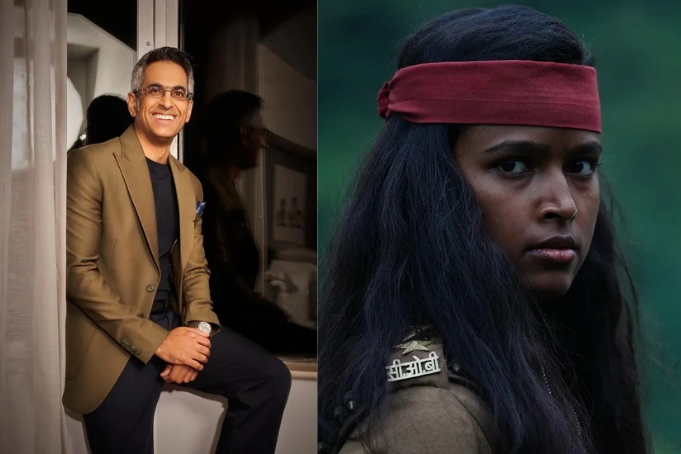
Richie Mehta, an Indo-Canadian filmmaker, screenwriter, and producer, is best known for creating, writing, and directing the International Emmy-winning Netflix series “Delhi Crime.” He was born in Mississauga, Ontario, Canada. Mehta graduated from the University of Toronto and Sheridan College in 2001. His debut feature film “Amal” won over 30 international awards and received six Genie Award nominations, including Best Motion Picture and Best Director. He is currently writing and directing a five-part series adaptation of E. M. Forster’s classic novel for the BBC and CBC, starring Ali Fazal, Fiona Shaw and Naseeruddin Shah.
How did your journey as a filmmaker start?
My journey began when I was 4 years old, watching “Star Wars” (for the hundredth time), and I realized Han Solo was the same person as Indiana Jones. That’s when I knew that this guy went to work, like my parents, and did this for a job. And if they did it, and conjured up this delightful world, I had to do it!
Although you have done highly creditable work before, it is “Delhi Crime” in 2019 which thrust heft on your reputation. How did this project happen?
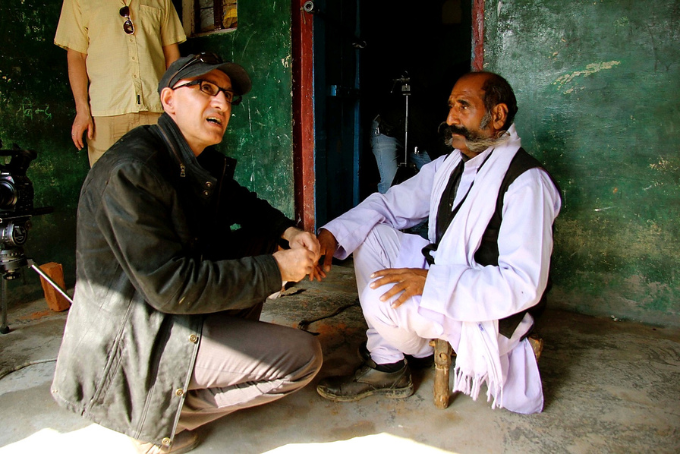
“Delhi Crime” came about when I was finishing sound work for “Siddharth.” I was in Delhi in Dec 2012, when that horrific incident (Nirbhaya) occurred. I saw the city plunge into the darkest space I had ever seen, with all of the conflicting emotions of terror and pain and sorrow and anger and hopelessness permeated. A few months later, I was introduced to the recently retired commissioner of the Delhi police, Neeraj Kumar, as I was researching another film I wanted to write. We met, he had seen my previous films, and he suggested I make a project on the incident and the team that solved the crime. I didn’t feel it was the right thing to portray.
Related Stories
Why?
I didn’t feel anyone should portray anything around that still sensitive issue. But Neeraj Kumar introduced me to the police on the ground - including the incredible DCP South District, who was on the ground during that time - and I felt that there could be a way to combat the extreme cynicism around this incident by looking at it through the eyes of the women and men who not only solved it, but deal with that kind of darkness on a daily basis, and still hold onto their humanity.
Did you think ‘Delhi Crime’ would have such long legs? Do you remain involved with the franchise?
No, I had no idea. I really wanted to deal with that incident the way I described; I never imagined it would keep going. And I maintain an extremely light touch on the series today. The series producers, showrunners, and Netflix team have a handle on what they would like to do with it, and I love seeing the characters flourish in different circumstances.
Why do you choose to function as a filmmaker from outside India?
I was born outside of India, so I simply remain where my immediate family is.
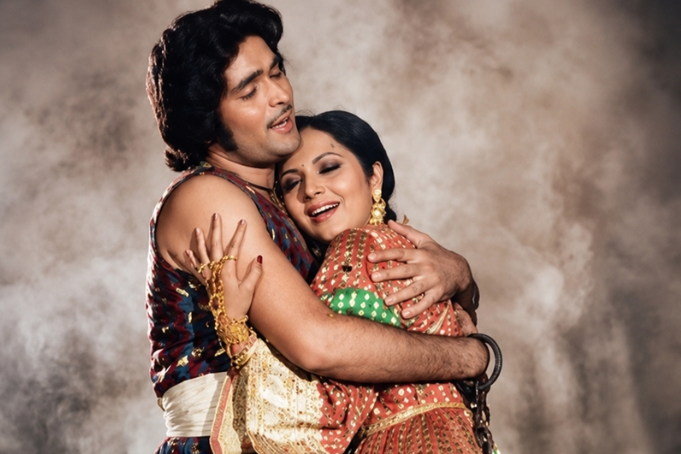
Your ‘Phoolan’ is being widely talked about. Why did you decide to get involved with the project? And what is your opinion on Shekhar Kapoor’s film?
I was so moved by her autobiography, given to me by producers Shareen Mantri, Kanwal Kohli, and Kishor Arora, that when they pitched me the project, I told them, “If nobody does this, I’ll do it.” I felt there were others who could have tackled the subject in an honest and pertinent manner, but it wasn’t being done for today’s audiences - particularly youngsters. I felt that getting a version of her story out there today was important. And Shekhar Kapoor’s film is the reason I’d even heard about Phoolan in the 90s. It was my introduction into her world, and subsequently, when I worked with Seema Biswas on my first film, she introduced me to the world of talent in India that I never knew of. So it’s a crucial part of my own development.
You are now involved with a series based on E. M. Forster’s ‘A Passage to India,’ already done magnificently by David Lean. What can you tell us about this project?
Adapting ‘A Passage to India’ has been a dream of mine for as long as I’ve been telling stories. To reinterpret the complex and intriguing characters that E. M. Forster masterfully conjured from his experiences over a century ago, and finding in them a relevance that resonates so deeply with today’s world, has been a real joy, and I believe it makes for incredibly gripping drama. I’ll be happy to tell you more when it’s completed!
Any recent films which have impressed you?
Truthfully, I have been immersed in watching nature documentaries for the last year, as I’ve been so involved in finishing one project and starting another, and I find that I should increase my knowledge base on the natural world, as I’d like to do more projects in the “Poacher” space.
Your thoughts on the global reach of Indian cinema?
It keeps increasing as time goes by, and the technical prowess of Indian talent and crews is now world-class. I think it’s wonderful that global audiences are constantly discovering Indian cinema.









Comments are moderated. They may be edited for clarity and reprinting in whole or in part in Variety publications.