



Nov 25, 2026 3:52pm IST
Naga Chaitanya Was ‘Very Flexible’ About ‘Vrushakarma’’s Moody Visual Style, Says Cinematographer Ragul D Herian (EXCLUSIVE)
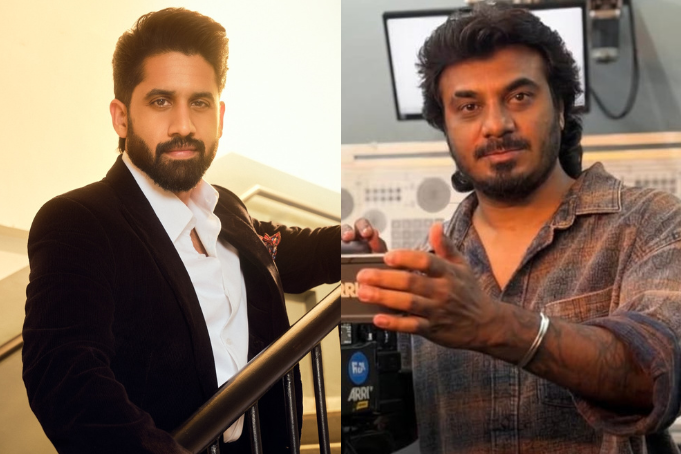
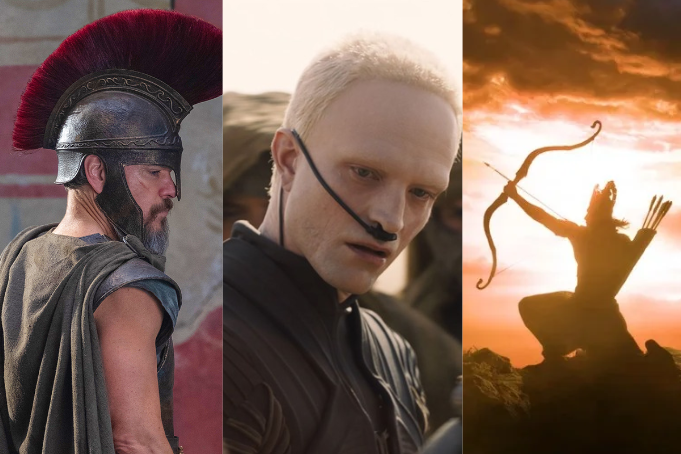
Earthy tones and moody, high-contrast lighting define the mythical world of “Vrushakarma,” which releases on December 4. In an exclusive interview with Variety India, cinematographer Ragul D Herian explains how he crafted the scenes in the movie directed by Karthik Varma Dandu and tailored his visual style to suit directors like Vamsi Paidipally and Sanjay Leela Bhansali.
‘Vrushakarma’ deals with supernatural elements. How did you use lighting and camera work to make its mythical world feel grounded yet eerie?
When writer Karthik Varma Dandu first narrated the story to me, I immediately thought of the “Indiana Jones” series. The lead character is a treasure hunter, while actor Jayaram plays Professor Ranganath, an archaeologist. So, the story has a strong connection to the earth. Those adventure films I loved watching as a child became my first visual reference. I suggested a muted, earthy palette for the entire film, extending from the costumes and props to the wall colors and set design. The aim was to transport audiences from their everyday lives into a distinct world and immerse them in it. I wanted that experience to linger even after they left the theater, and have them appreciating the contrast between the film's world and the colors of their own surroundings.
Did filmmaker Sukumar, who is a co-producer and screenplay writer on the film, offer any specific input on the visual approach?
I had not met Sukumar before or during the design stage, although he knew I was the cinematographer. After about a month of shooting, Karthik edited some sequences and showed them to him. Sukumar then called to say that we had created a unique world and praised the effort we had put into it. His response was reassuring. When a filmmaker appreciates your work, it gives you the confidence that it can also connect with a wider audience.
Related Stories
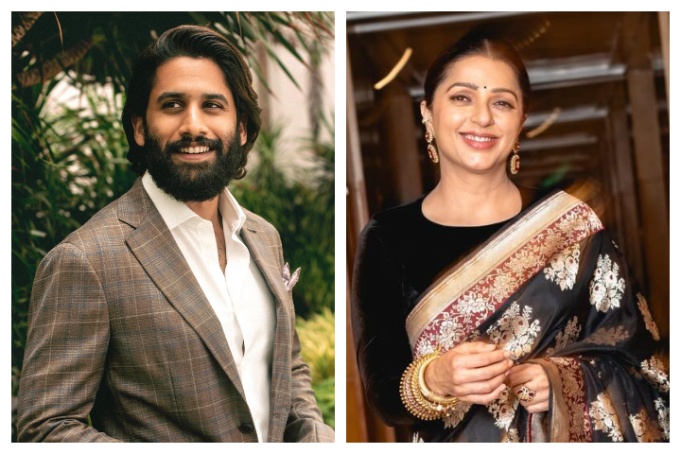
How did Naga Chaitanya react to the film’s distinct visual treatment?
He was very flexible. I explained to him and the director that this would be a moody, high-contrast film rather than one built around glamorous lighting. The priority was to serve the script and communicate the story, not simply make the actors look good. After seeing a few shots, he fully supported the approach. Much of the film takes place inside a cave, where very little light enters. In some scenes, you might see only the actor’s eyes rather than the whole face. He understood that this could enhance the performance and the story.
You have teamed up with Salman Khan and Vamshi Paidipally for “The Monster.” What kind of visual style have you designed for a the film?
It is too early to discuss the details, but it is a story-driven film in a more commercial space. We are keeping the world as natural as possible while giving the images some commercial gloss. Salman’s film takes a different approach: the surroundings and clothing should feel as authentic as what you would see on the streets of Mumbai.
How do you adapt your camera language across gritty thrillers like “Bastar: The Naxal Story” and action films like “Agent”?
As a filmmaker and image-maker, I want to explore different visual palettes. My last release was “Heeramandi: The Diamond Bazaar,” which had its own distinct approach. Every director brings a vision, and every script demands a particular visual language. That is always my starting point. I first try to understand the director's ideas and then combine them with my own to create something distinctive. I do not want to impose the same aesthetic on every film. I believe each project should have its own identity, shaped by both the director's vision and mine.
Popular on Variety
What was it like working with Sanjay Leela Bhansali on ‘Heeramandi’?
He is very clear about what he wants from an image, a set and the lighting. His brief is simple: every frame should look like a painting, whether it is a tight close-up, a landscape or a wide shot. That is an inspiring brief for a technician. He gave me the time to create that painterly quality without imposing time restrictions. It felt as though he was handing me a canvas and inviting me to paint.
What differences have you noticed between working with directors in the South and the Hindi Film industry?
In my experience, directors in the South are particularly strong in writing, dialogue and drawing performances from actors. The script and performances can be so compelling that even a simple, static shot works. I sometimes feel that 80 per cent of my job is already done before I contribute much visually. In the Hindi film industry, too, the scripts and directors, who are also visually driven. They often have a clear sense of the palette and the visual treatment they want. Scripts and performances remain important, but there is often a stronger emphasis on the visuals.


Comments are moderated. They may be edited for clarity and reprinting in whole or in part in Variety publications.