



Oct 31, 2026 4:48pm IST
‘Ramayana’: Nitesh Tiwari Reveals Ravana-Jatayu Fight Took Six And A Half Years To Complete, 40-50 Designs Created For Pushpak Viman
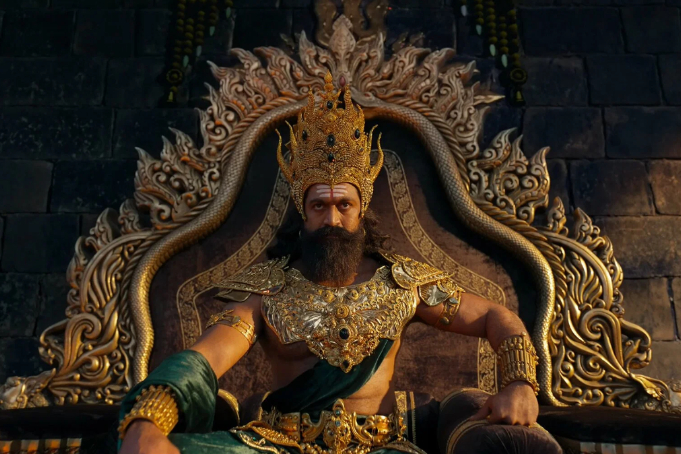
Nitesh Tiwari has revealed that the Ravana and Jatayu fight in “Ramayana” took six and a half years to complete, from the initial briefing to the final frame. The filmmaker also disclosed that the team spent close to two years developing the design of Pushpak Viman, creating as many as 40 to 50 versions before settling on the one featured in the film. The process, he explained, involved extensive iterations and a rethink of the action sequence after the final design of the mythical flying vehicle took a different direction from the original concept.
Speaking about the scale of work behind the sequence as per Shreyas Media, Tiwari said, “You know how much time it has taken for us to finish the Ravana and Jatayu fight? From the time I briefed the previous artist to the time we finished the whole thing, six and a half years. One action sequence. I can go on and on about it for an hour just to tell you how much effort went into making everything from scratch. And thousands of people have worked on it.”
Tiwari’s comments underline the extensive visual effects work involved in bringing the epic’s larger-than-life moments to the screen. The Ravana and Jatayu confrontation is a significant episode in the “Ramayana”, in which the king of birds attempts to stop Ravana from abducting Sita. The sequence required the filmmakers to build its visual elements from scratch, with the design of Pushpak Viman becoming an important part of the process.
Related Stories
Explaining why the vehicle took so long to finalise, Tiwari said, “We took close to two years to arrive at that. And then a lot of things changed, which is why it took us so long to shape the Ravana and Jatayu fight. Because previously, we assumed the design of Pushpak Viman would be something like that, and we shaped the sequence around it. And when we loved the final design, which was completely different from what we had first thought, we had to do a lot of iterations.”
He added, “We created some 40-50 designs for Pushpak Viman before finalising the one you see in the film. We didn't want something that did look like it could fly, we wanted some kind of science to go into it. Because I believe, we all believe there was science behind everything that happened that time.”
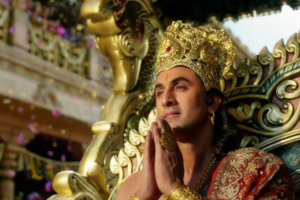
Ranbir Kapoor, who plays Rama in the film, also addressed the perception that elaborate visual effects are generated using artificial intelligence, pointing to the human labour involved in creating each frame. “You know, one really feels bad when someone releases something and people call it AI. Actually there are thousands of people tirelessly working for days and hours to get one frame right. There is a lot of hard work that goes into bringing the finesse in the CGI,” he said.
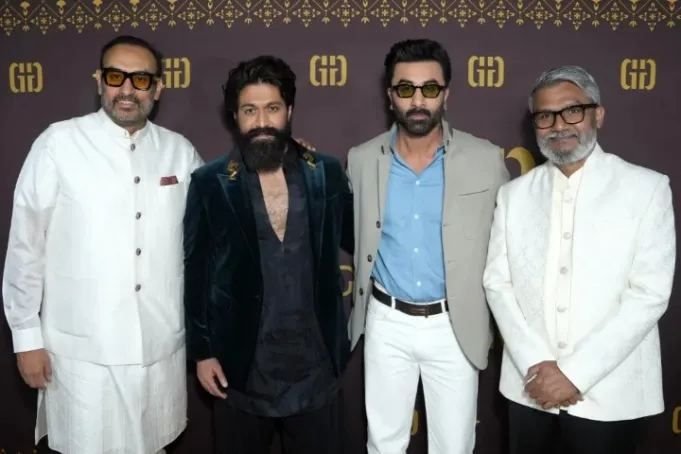
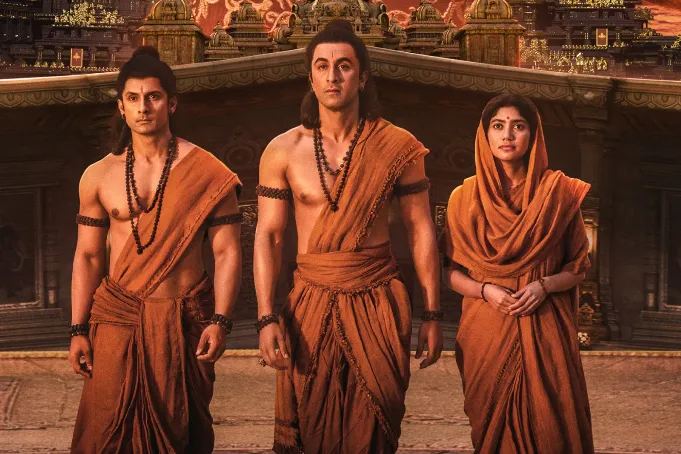
The comments offer a glimpse into the scale of the visual effects undertaking behind “Ramayana”, which is being mounted as a two-part adaptation. Kapoor plays Rama, Sai Pallavi essays Sita, while Yash portrays Ravana. The film’s first instalment is scheduled for a Diwali 2026 release, with the second part planned for 2027.




Comments are moderated. They may be edited for clarity and reprinting in whole or in part in Variety publications.