



May 01, 2026 6:46pm IST
‘Raja Shivaji’ Review: History Meets Spectacle In Riteish Deshmukh’s Ambitious Epic
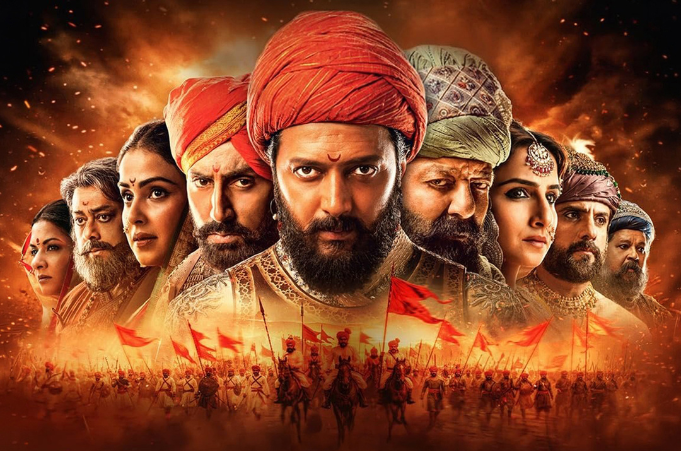
Heavy is the head that wears the crown. In the case of Riteish Deshmukh’s “Raja Shivaji,” that weight is measured not by scale, but by the legacy of the name the film attempts to honour. The life of Chhatrapati Shivaji Maharaj is far too vast to be contained within a single film, and Deshmukh acknowledges that upfront with a disclaimer stating this is not a definitive retelling of every chapter in the king’s life. Neither a documentary nor a theatrical myth-making exercise, “Raja Shivaji” instead selects key moments from his journey and builds a large-scale cinematic narrative around them.
The film begins even before Shivaji’s birth and moves towards one of his most iconic victories over Mughal general Afzal Khan. The tale of Shivaji and his wagh nakha (tiger claws) is etched not only in the minds of Maharashtrians, but anyone who paid attention in history class. Horses, elephants, armies and landmark forts become pieces of a sprawling historical puzzle. We also get glimpses of how Maratha powers often shifted loyalties between the Nizam and the Mughals. It was a turbulent time, and Riteish ensures the screenplay keeps moving, never lingering too long in one phase of the story.
“Raja Shivaji” unfolds in the now-popular ‘Chapter One’ style of filmmaking, where titled segments help structure sprawling narratives. Following a format recently embraced by several large-scale films, the chapters here come with dramatic names like ‘Who Will Blink First.’ If that device feels familiar, what truly elevates the film is its music. Ajay-Atul deliver a thunderous, emotionally charged score that ranks among the finest mainstream Hindi film compositions in recent years. Their music gives the film pulse, grandeur and soul
Related Stories
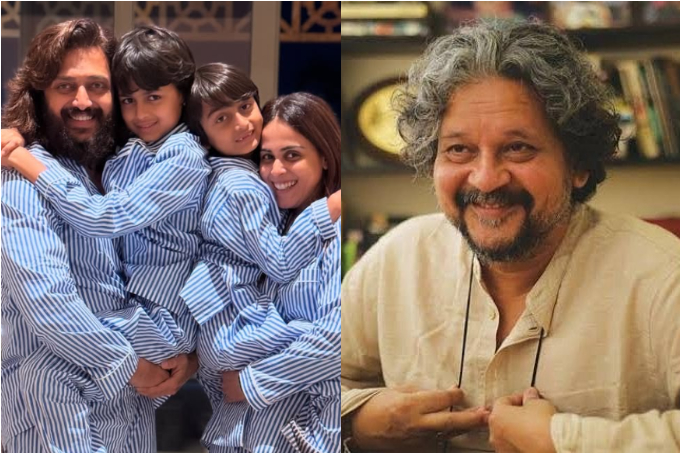
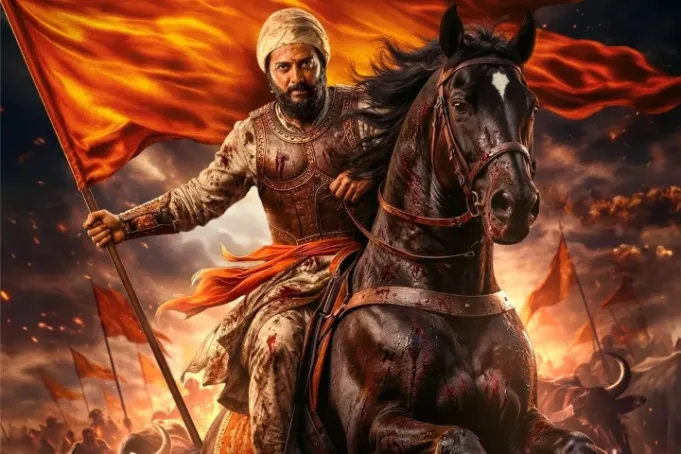
Riteish Deshmukh is impressively restrained in the title role. He does not rely on shouting, chest-thumping patriotism or exaggerated heroics. Instead, he plays Shivaji Maharaj with calm authority, poise and intelligence. It’s a measured performance that works.
The supporting cast strengthens the film considerably. Sachin Khedekar, despite limited screen time, leaves a mark as Shivaji’s father. Sanjay Dutt, however, dominates every frame he enters as the menacing Afzal Khan. It is not just his towering physicality or kohl-lined glare, but the relish with which he plays the villain that makes him so watchable. Dutt clearly enjoys himself, and that energy translates onscreen. Genelia Deshmukh as Shivaji Maharaj’s wife Saibai and Bhagyashree as his mother Jijabai bring warmth, grace and emotional grounding. Abhishek Bachchan as Sambhaji Raje arrives late but makes a solid impact with a few commanding scenes
Visually, Santosh Sivan’s cinematography is majestic. His camera glides over sunsets, forests and rugged valleys with painterly precision. The forts, cliffs and treacherous terrain become characters in themselves, reinforcing the strategic brilliance of Shivaji’s world.
What makes “Raja Shivaji” work is that it largely stays true to the spirit of the man, even when compressing the details of history. But the film is not without flaws. At over three hours, the runtime is indulgent. Certain emotional scenes between Riteish and Genelia feel repetitive and could have been trimmed for sharper pacing.
Despite its excesses, “Raja Shivaji” emerges as an ambitious, technically polished and emotionally stirring historical drama. It may not capture the full scale of Shivaji Maharaj’s extraordinary life, but it captures enough of his courage, vision and legend to command your attention. And in an era where spectacle often replaces substance, Riteish Deshmukh delivers a film that strives for both.







Comments are moderated. They may be edited for clarity and reprinting in whole or in part in Variety publications.