



May 23, 2026 10:00pm IST
Microdrama Incumbents Unafraid Of More Moneyed Newcomers in Vertical Format

From China to the US and now India, the microdrama boom is here to stay. Market experts predict that revenues will touch $4.5 billion in India by 2030. A survey released by BDO India, a professional services and advisory firm, finds that the daily viewership of microdramas in India is around 300-500 million viewers. The microdrama industry in India is centered around Tier 3-4 cities with women forming the majority of viewers tuning in.
Microdramas are currently outpacing the growth of OTT platforms. This reality has pushed some of the biggest studios and platforms to dive into the world of microdramas.
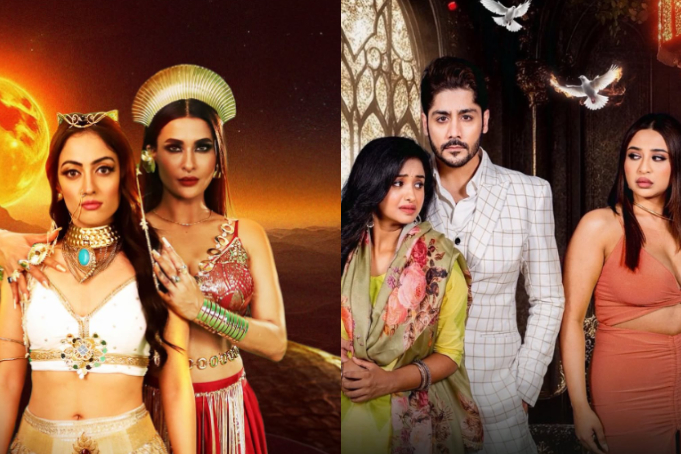
JioHotstar, Amazon MX and Yash Raj Films have invested crores in the microdrama business as of 2026. This proves the kind of faith studios have in the vertical format. Storytelling in microdramas started off with ‘spicy’ content and graduated to genres like mystery, crime and romance. The industry functions on the principle of volume with producers earning profits after making shows in bulk.
While early players like Story TV, Kuku TV, Moj, Kutingg, Bullet, Moj and others were startups, the new players come in loaded with extensive resources. Variety India spoke to a few existing players to find out if they would rework their content strategy and distribution channels seeing this new competition in the market.
Related Stories


JioHotstar has released a 100 microdrama titles on its platform Tadka while YRF has plans to invest ₹150 crore in a direct-to-consumer app (D2C) in mobile-first content. Despite this, the industry believes that the vertical format is here to stay and more studios will find space to survive and thrive.
Competition? No Fear!
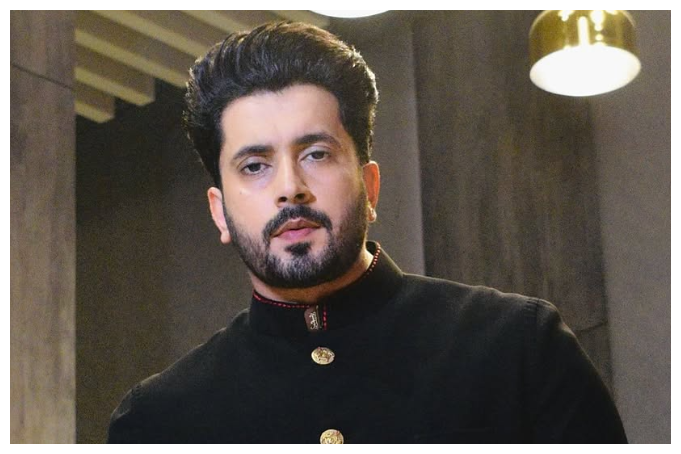
“Everyone needs entertainment at the end of the day. People do not have the attention span to read. Web series are too time-consuming to watch. Going to theatres has become too expensive for the middle class. You cannot afford to watch more than one film a month. This has led to the vertical format boom," explains actor Karanvir Bohra, who has been actively acting, directing and producing microdramas.
Anshita Kulshrestha, founder and CEO, TukTuki Entertainment, shares, “At TukTuki, we view the entry of giants not as a threat, but as a validation of the microdrama revolution. While titans scale with volume, we win with cultural resonance and agility.”
Azim Lalani, Co-founder & Chief Business Officer, Bullet endorses Kulshrestha’s sentiments on why competition is more of a validation than a warning, saying, “The entry of large platforms validates that microdrama is not a short-term content trend, it is becoming a new storytelling behavior layer. The mistake many incumbents make is treating microdramas like shorter OTT episodes. In reality, this is a completely different grammar of storytelling, discovery, retention, and audience psychology.”
Saurabh Pandey, founder and CEO of Story TV also believes that microdrama might be a feature for OTT platforms but its core audience is now used to a more personalized experience. Viewers of microdramas find out about new shows from feed-based content discovery and are used to cliffhangers at every episode. He says, “As competition grows, platforms with superior content quality, personalized feed and a large microdrama library will separate leaders from the rest.”
 Revamp in Marketing Strategies
In India, social media feeds are the primary marketing tool along with algorithmic discovery. Instagram and Facebook are two platforms makers use to market their dramas. Existing players reveal that they will work more on their community platforms as more players enter the field. Kulshreshtha expresses, “Our marketing focus remains on hyper-local community building, turning viewers into advocates through interactive social loops that big streamers often overlook.”
Saurabh Pandey, founder and CEO, Story TV, says, “The microdrama economy runs on a fundamentally different content and distribution structure than traditional OTT and that is our biggest advantage. End-to-end production in three days, AI-enabled workflows and a distribution flywheel that keeps costs optimised while delivering premium content at scale.” The old players feel that they already have an edge in this matter. Industry reports on how AI is used to cut production costs by almost 50 per cent as production bulks up. Microdramas have two to three days to film with actors and crews put in long hours to finish content in a given budget and time span.
Lalani tells Variety India, “Large studios will bring scale, IP (Intellectual Property), and marketing muscle. But category-native platforms like ours have an advantage in speed, experimentation, creator ecosystems, data feedback loops, and understanding binge behavior at a micro level.” Old players like Story TV and Kuku TV are already a step ahead in this respect. Story TV has already got over 90 million downloads and has the largest homegrown catalog in India of over 1200 titles. Pandey adds, "This is the start of an IP model native to the world of vertical storytelling."
Content Is King
Indian microdrama studio heads have become more experimental in the recent past. From thrillers packaged with erotica to tales around modern scams, viewers can choose from a number of shows. As new players come in, content creation is also one exciting aspect to ponder upon. Kulshreshtha affirms that they are not “pivoting their content strategy,” but deepening it. She says, “We will double down on bold, snackable and unapologetically, raw narratives that reflect the pulse of our audience. Authenticity is our greatest competitive advantage. As competition grows, platforms with superior content quality, personalized feed and large microdrama library will separate from the rest.”
Lalani adds that the focus is to build an entirely new entertainment operating system for vertical storytelling. He shares, “We are thinking beyond content into infrastructure AI-assisted production pipelines, creator-led storytelling ecosystems, interactive engagement layers, and vernacular-first distribution designed for Bharat-scale audiences.”









Comments are moderated. They may be edited for clarity and reprinting in whole or in part in Variety publications.