



May 23, 2026 6:00pm IST
Alok Jain: ‘Our strategy is creating content for the entire family’ (Exclusive)
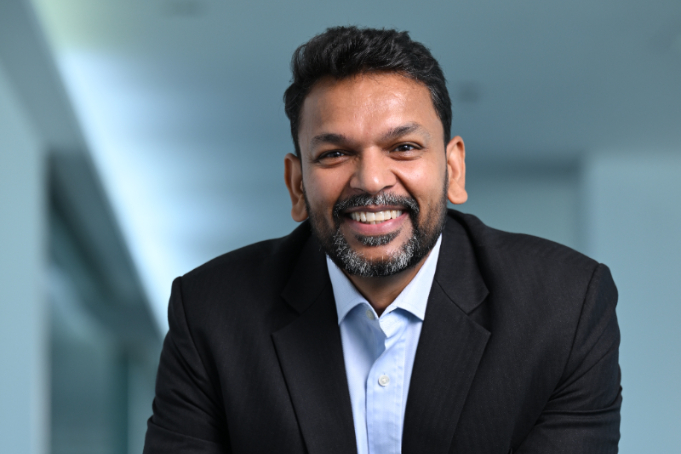
The entertainment landscape in India has changed dramatically over the last few years. Rapidly changing consumer patterns, emerging mediums and consolidation of existing brands continue to be a challenge. In such conditions, the task is set for the key players driving the core of this business. As Head - Hindi & English Entertainment Business, JioStar, Alok Jain drives the country’s most influential and innovative networks, catering to the tastes of a vast spectrum of the audience.
In an introspective chat with Variety India, Jain explains why the strategy is constantly evolving according to the consumption patterns. Post-Covid and especially after the merger, JioStar has emerged as one of the most powerful networks. Therefore today, the priority is to stay committed to the audience, engage them, and not confuse them with a bouquet of choices. From theatrical releases to fiction/non-fiction shows to streaming, Alok Jain informs us what makes JioStar a force to reckon with and what it means for the future of entertainment in India.
A lot has changed in the way people consume content today. What is your take?
Content consumption, today, is very contextual, and it changes through the day. On the move, people gravitate towards their phones. They watch shorter, lighter or more episodic content while commuting or between work and daily routines. At home, especially in the evenings and even weekends, viewing shifts to television and connected TVs, where families come together and prefer longer, more immersive stories. This understanding is important because it shapes how we think about storytelling and screens. That’s why we think of storytelling as screen-agnostic.
The same viewer wants different things at different moments, and our job is to meet them where they are. Strong stories remain a constant; only the way they’re discovered changes. However, theatrical viewing is different. It’s intentional and occasion-led. When a film offers scale, emotion and a shared experience that feels worth stepping out for, audiences still show up.
The audience profile has changed, with the younger generation driving the dynamics. Is it difficult to match their tastes?
Every generation, has had its own dynamics. What we’re seeing with today’s younger audience isn’t entirely new; it’s an evolution. This generation is more connected, exposed, confident in its identity and unapologetic about its choices. They know what they want; and they move on quickly if something doesn’t resonate. This group continues to drive India’s economic momentum and its cultural influence at the global level. Their viewing habits are intentional and discerning.
Our focus has never been about catering to one segment or age group in isolation. Our ambition is to be the default content creator of choice for all of India. That means meeting audiences where they are across ages, geographies and sensibilities without flattening stories to fit demographic boxes.
You cater to theatrical, digital and broadcast audiences. What is the key difference in audience preferences between them?
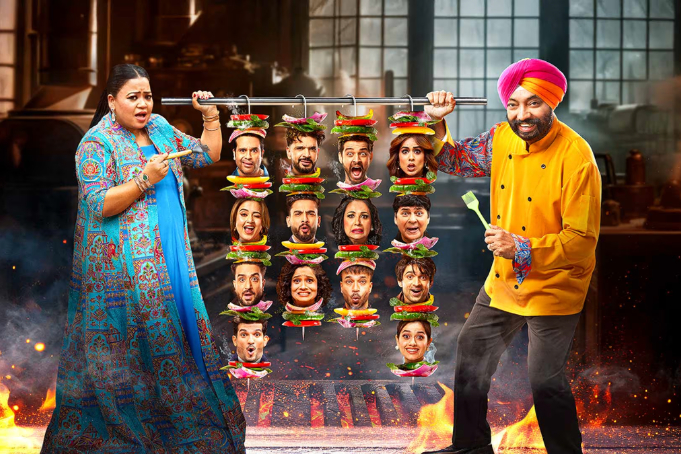
We believe in putting the audience at the heart of every decision — from story arcs to character design. It’s about crafting narratives that evoke real emotions and feel authentic across regions and cultures. Platforms and devices are simply gateways; storytelling is the glue that holds it all together. A strong example of this is “Laughter Chefs.” The show’s first two seasons reached over 250 million viewers in India, making it the biggest unscripted television title of the past decade.
Viewers are enjoying the same story, irrespective of platform or device. Our job is to make that journey effortless, giving audiences the freedom to enjoy their favorite content anytime, anywhere, on any screen.
Related Stories
The scope and definition of entertainment has evolved. What’s the biggest shift?
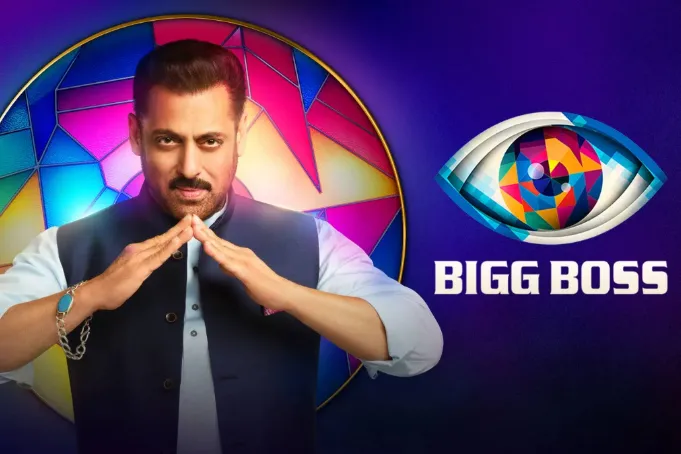
Entertainment has moved from passive consumption to active participation. Today, success is not just about viewership, it’s about cultural footprint. Shows like “Bigg Boss” or “Laughter Chefs” don’t end with an episode. They live on social media, in memes, in voting behaviour, in brand integrations, and in everyday conversation. This is also why unscripted has emerged as one of the strongest engagement engines. Its formats are predictable in cadence yet flexible in expression, and inherently social in nature. Over time, these shows build communities.
“MTV Roadies” now has a multi-million-strong fan base that spans generations. “Laughter Chefs” has brought together a highly engaged family audience. “Bigg Boss” routinely sees close to a billion votes and interactions, turning viewers into participants. That’s where the real opportunity lies. When audiences participate, they don’t just consume content; they champion it. They carry the conversation forward and build lasting emotional equity. For us, this is the most meaningful evolution in entertainment today.
Why does it seem that JioHotstar has limited dependency on movies today?
Audiences today come to JioHotstar for a wide range of experiences. Movies, series, live sports, reality and unscripted shows have become a part of our daily viewing habits. Our focus is on the story, more than its format.
Has JioStar downsized feature film acquisitions?
It’s important to look at this in the right context. The industry is going through a reset, and we’ve seen this happen every few decade -- When OTTs were launched, Post-Covid and now, when there is a need for correction. We’ve been very deliberate about resetting economics across the board. On the broadcast side, we’ve successfully optimized content costs while continuing to deliver scale, impact and cultural relevance. That discipline came from being deeply consumer-first, clear about value and focused on what truly works. Our approach is deliberate and long-term.
TV is booming, but feature film viewership on the medium has slowed. What has changed?
Television continues to be a powerful medium for movies, even as viewing habits evolve. 2025 saw multiple movies that performed exceptionally well on television. Stree 2 premiered on Star Gold and shattered TV viewership records, reaching 4.12 crore viewers and over 1.79 crore households. Following its box-office success, “Housefull 5,” with its dual-climax versions took the television landscape by storm. The combined World Television Premiere on Star Gold reached 4.65 crore viewers and 1.91 crore households across India respectively. Looking ahead, our line-up, including “War 2,” is set to continue this trend, underscoring that theatrical blockbusters still resonate strongly with television audiences.
Do you feel producers were unrealistic about satellite and digital expectations at one point?
When new platforms grow rapidly, expectations naturally overshoot fundamentals. For a while, satellite and digital were seen as safety-nets rather than value-layers. That thinking is now being corrected. What we’re seeing now is a natural reset, where satellite and digital have proved their true role and value. Today, conversations are far more grounded around audience pull, shelf life and real performance. This realism is healthier for everyone: producers, platforms and creators.
What differentiates your network from others?
JioStar’s television network spans over 100 channels across 10 languages, reaching more than 760 million viewers every month and billions of viewing hours annually. Our content strategy is creating content for the entire family. In India, television remains a shared, co-viewing experience, and that shapes our programming choices, reinforcing TV’s role as the country’s most inclusive and unifying medium. Television has evolved into the backbone of a truly multi-screen entertainment strategy, one that combines reach, routine and emotional connection.
JioHotstar, is the country’s leading streaming service. With a 400-million-strong active users, over 200 million subscribers, and more than three lakh hours of entertainment, JioHotstar represents unmatched scale and depth in Indian streaming. Its content spans across TV shows from our network, international series/movies from the best of studios including Peacock, Paramount and more. For us, scale is responsibility.
Other platforms follow international trends, as a homegrown p the Indian marketlatform, do you better understand?
Being homegrown comes with a sense of responsibility. Audiences expect you to understand them deeply. They hold you to a higher standard. That emotional contract with the audience is something we take very seriously. To live up to that responsibility, we spend tens of thousands of hours every month listening to consumers. This goes beyond data. It includes qualitative research, on-ground feedback and constant cultural observation. In a country as diverse as India, this is never a straightforward lens.
A viewer in eastern Uttar Pradesh can have very different sensibilities from someone in western Uttar Pradesh, and those differences multiply across states, languages, age groups and social contexts. That is why the focus is not just on regional authenticity, but on shared emotional truths. Themes like aspiration, dignity, belonging, ambition and family cut across geography. Stories work when they are specific in texture but universal in emotion. Staying true to this responsibility means constantly renewing who we build with. We actively bring in fresh talent from across the country whether it is writers, directors, creators, production partners or internal teams.
Do you believe theatres will survive?
2025 was a blockbuster year for cinema. As per industry reports, the Indian box office is heading towards a ₹12,000 crore-plus year, making it the strongest theatrical performance post-pandemic. Theatres have existed for nearly a century because humans are social creatures and the shared experience of watching a film together still holds strong emotional value.
What has changed is expectation. A theatrical visit today is a three-hour, high-cost outing, especially for families, so audiences expect an experience, not just a screening. They are not rejecting theatres; they are rejecting mediocrity. Films that feel event-worthy, emotionally immersive, and relevant still draw people in. Titles like “Jolly LLB 3,” “Mission: Impossible – The Final Reckoning,” “Zootopia 2” and “Avatar: Fire and Ash” are great examples of how a familiar franchise can raise the stakes and resonate strongly when the storytelling is right.
Importantly, the future is about co-existence of all mediums — TV, digital and theatres. Together, they form a complementary ecosystem rather than a competitive one. So, the conversation isn’t really about theatres disappearing, but storytelling evolving. When the experience is right, theatres remain irreplaceable.
What’s the biggest challenge facing the industry ?
One of the biggest challenges we face is what I call the “I Am The World” bias. It’s the assumption that personal taste or urban viewing habits reflect the audience at large. In a country as diverse as India, that mindset can be deeply limiting. It has led to formula-driven storytelling, reluctance to take bold creative bets, and a system that hasn’t refreshed its pool of writers and makers fast enough. At JioStar, one of our key priorities is actively building a new ecosystem of writers, directors, creators and production partners from across the country, so that storytelling evolves with the audience.
Too often, decisions start with the format, whether something should be a film, a TV show or a digital series. We believe the starting point has to be the consumer. When you truly understand where audiences are, and what they are emotionally seeking, the right format reveals itself. That consumer-first lens is fundamental to how we commission, scale and distribute stories.There is also an economic reset underway. Unsustainable budgets and misaligned expectations have caught up with the industry, making relevance and resonance as important as scale. Audiences today reject anything that feels cynical or lazy.
What type of content are you currently looking for?
Bold, authentic stories that can speak across the length and breadth of India. For us, being an entertainment company is about scale with intent. Stories should feel accessible, but also ambitious in craft, thought and emotional depth. We’re interested in scripts that reflect these shifts honestly and confidently, rooted in reality but told in fresh and contemporary ways. We are especially keen to work with new voices and creators who bring different perspectives not just in setting or language, but in how stories are structured and experienced. New formats, new narrative rhythms and new points of view matter to us.
What would be your advice to writers, producers and directors who want to pitch material to you?
My advice would be to come with clarity, conviction and honesty. Have a strong, simple idea you can explain in a few sentences; know your audience, and show why your story is different. Originality and authenticity matter more than trends.
Authenticity and rootedness are especially important. By that, we mean stories that come from lived experience or deep observation, not from imitation. When a story is grounded in real people, real settings and real emotions, it carries a truth that audiences immediately recognize. Rooted does not mean small or local. In fact, the more specific and honest a story is, the more universal it often becomes.
What’s been your biggest learning in recent years?
Biggest learnings is that bold bets, when rooted in deep consumer understanding, almost always find their audience. When conviction comes from insight rather than instinct alone, scale follows.
A good example is comedy. For nearly a decade, the genre wasn’t working meaningfully on TV. Instead of writing it off, we went back to first principles. What do Indian families actually enjoy laughing about together today? That insight led to “Laughter Chefs,” which paired humor with food, and family banter.
It wasn’t a safe bet on paper, but it was deeply consumer-led and it worked. We saw a similar response with “Dhamaal” with “Pati Patni Aur Panga,” where we tapped into the husband–wife dynamic, but treated it with contemporary energy. Above all, I’ve learned that trust is everything. Trust with creators, teams and audiences takes time to build and seconds to lose. Staying honest, adaptable in approach, and focused on long-term value matters far more than chasing short-term wins.

What are the genres that work best on your platform?
Across television and streaming, we reach more than 750 million people every week, spanning across age groups, languages, regions and viewing behaviors. At that scale, it’s never about one genre winning over another; it’s about where the audience shows up consistently. If there’s one category that delivers sustained, deep engagement, it’s unscripted.
Our unscripted shows have become a part of popular culture. They drive repeat viewing, second-screen behavior, social conversation and strong youth participation in a way very few formats can. Scripted storytelling remains equally important. Romance and coming-of-age narratives, have seen strong resonance. Similarly, franchise-led dramas like “Special Ops” and “Criminal Justice” have demonstrated the power of world-building and character continuity, delivering loyalty and repeat value. This tells us genres don’t succeed in isolation.
What’s your vision for the network in the next five years?
To bring meaningful entertainment for every Indian. The goal is to create an environment that allows ideas to grow, travel and endure. We also see this as a moment to help reimagine how the industry works. That means resetting value across the ecosystem in a way that is sustainable for creators, platforms and partners alike, while keeping the audience at the center. When economics are aligned with creative ambition, it allows the industry to think long-term rather than chase short-term outcomes.



Comments are moderated. They may be edited for clarity and reprinting in whole or in part in Variety publications.