



Aug 18, 2026 6:27pm IST
Behind The Franchise Formula: ‘True’ And ‘Spiritual’ Sequels Drive the Fad In India
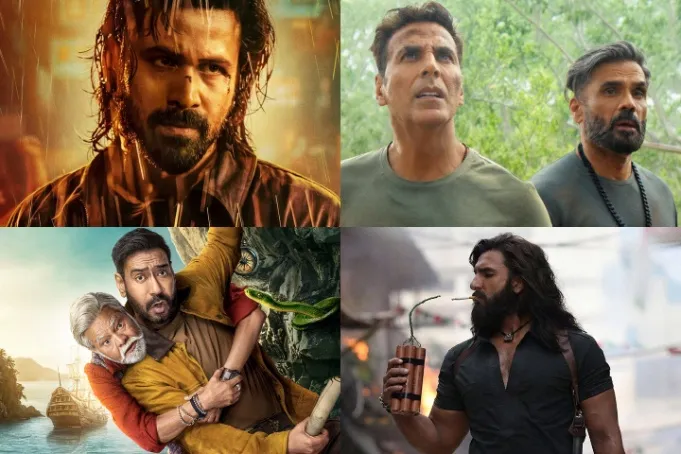
Franchise films in India have clearly had a chequered past. And regardless if it’s a ‘true sequel’ or a ‘spiritual’ one, success is not guaranteed in either case. Consider that “Awarapan 2,” a true sequel, is all set to cross the ₹100 crore milestone 19 years after the original released to a disappointing theatrical run. And that producer Mukesh Bhatt is moving on to scripting “Jannat 3.” “Jannat” was a hit, “Jannat 2” was a ‘spiritual’ sequel and a semi-hit. The difference between a ‘true’ and ‘spiritual’ sequel is that a true one continues where the original left off, while the latter one only implies a shared title or theme.
Nothing is guaranteed
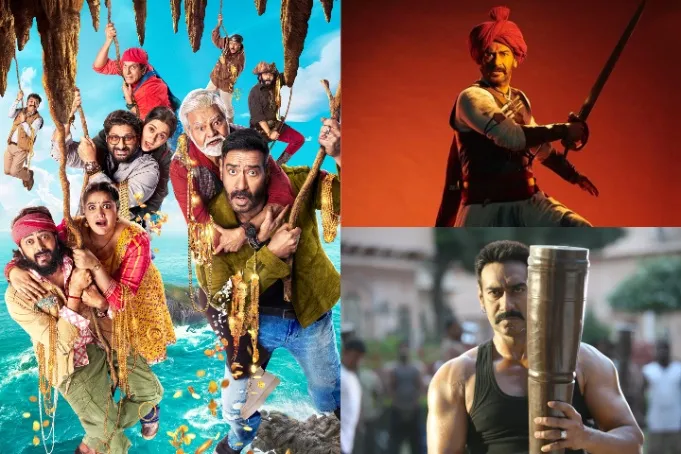
In the recent past, the “Tiger” (a part of the larger YRF Spy Universe) and “Drishyam” franchises have been examples of the former, while this year’s “Border 2”, “Welcome to the Jungle” and “Dhamaal 4” are all spiritual sequels that proved winners, even if none matched their earlier films’ successes. Notably, both do not guarantee the success that their predecessors enjoyed.
‘Spiritual’ sequels “Cocktail 2”, “Mardaani 3”, “Haunted 3D: Echoes of the Past” and “Pati Patni Aur Woh Do” did break even-to-average business mainly due to their titles. Had they been called something else and the business would have been even lesser.
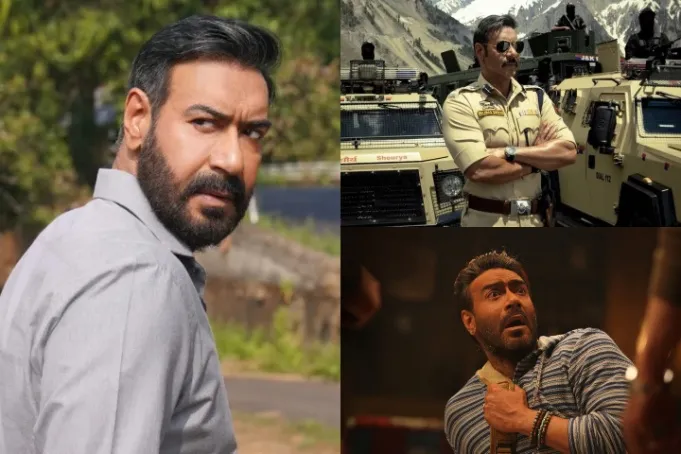
The upcoming “Drishyam 3” and “Khosla Ka Ghosla 2,” both had successful predecessors, are ‘true’ sequels and are expected to match or improve on the success of the original, just like “Dhurandhar: The Revenge” zoomed past “Dhurandhar” earlier this year.
“Border 2” had a far paler run than the mighty “Border” before it. “Dhamaal 4” and “Welcome To The Jungle" had far better runs.
Related Stories
Quality is paramount
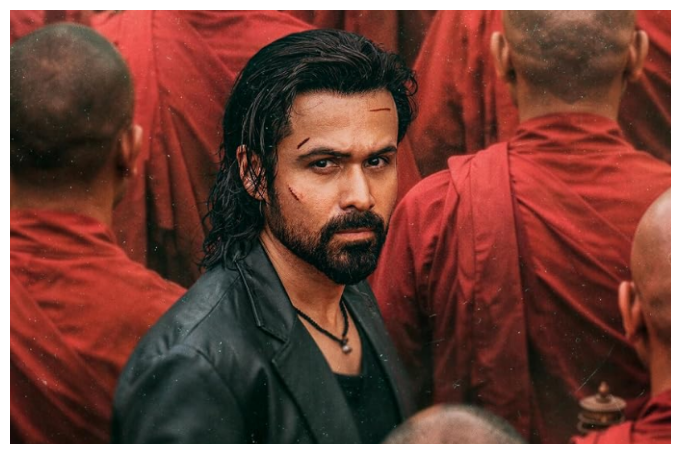
Speaking specifically about “Awarapan 2,” trade analyst Komal Nahta tells Variety India, “‘Awarapan 2’ proves that except for the title, having the same director, cast or composer is not at all compulsory. It is the title that establishes the connection, since there is an audience loyal to it. But the bottom-line is always content.”
Underscoring this point is the fact that this year’s releases, “Ginny Wedss Sunny 2,” “Vadh 2” and “Alpha” (which is a part of the YRF Spy Universe) did not find favor with audiences.
Actor Johny Lever, who featured in “Welcome To The Jungle” and is set to reprise his role as Pappi Bhai in the upcoming “Golmaal 5,” agrees, adding, “A film in the ‘Golmaal’ franchise must match expectations. ‘Golmaal 5’ has shaped up fabulously and quality is important. That ensures that people have the same eagerness for a future ‘Golmaal 6’.”
He reminisces about the pressures of living up to earlier films. “The two earlier “Welcome” films were directed by Anees Bazmee, but during “Welcome to the Jungle”, director Ahmed Khan was very tense all throughout. There was immense pressure on him also because he was handling so many actors. That’s why the film took three long years to make. Living up to a hit franchise is tough. But by God’s grace, the film worked.”
Nahta has a contrary view and opines that no filmmaker sets out to make a “bad” sequel, and only has a single focus — to make a movie that connects. He also does not see any specific “pressure” on a director in living up to expectations of the earlier film or films.
Director Anurag Basu (2007’s “Life…In A Metro” and 2025’s “Metro…In Dino”), agrees with Lever, “Making a fresh film is different from making a sequel, and the pressure of expectations is not just on the director, but also on the writer and composer. But such pressure can spoil your work.”
He gives one more example: “My ‘Murder’ (2004) was followed by Mohit Suri’s ‘Murder 2’ (2011) and he delivered.” The clear inference was that Suri’s sequel was up to the mark, but “Murder 3” (2013) with another director, was not.
What has worked
“Universe” franchises like the Yash Raj Films’ Spy Universe, Rohit Shetty’s Cop Universe and Dinesh Vijan’s Horror Comedy Universe have a rapid outlay. Among individual franchises, Vikram Bhatt’s “1920”, which began in 2008, completed five films by 2023, while Sajid Nadiadwala’s “Housefull” (2010) saw the fifth film release in 2025. The fifth “Golmaal” will release in 2027, 21 years after the first in the series. So far, each successive movie has done better than its predecessor.
But many other sequels had inordinately long gaps. “Khosla Ka Ghosla 2” will return after two decades. “Gadar 2” released 22 years after the first film and was again a mighty hit, while “Border 2” came 29 years after its predecessor. Clearly, loyalty to, and familiarity with, the title worked in these cases, but this did not happen for “Ghayal Once Again” ( which released 26 years after the 1990 “Ghayal”). With the exception of “Border 2”, the rest were true sequels.
Here, Basu replies that this time factor per se does not matter, even if trends and audiences change. “In cinema, we always see a recycle of trends,” he explains. “So, while new audiences relate to what is fresh content for them, older viewers savor a return to what they had enjoyed in the past as also the film in totality.”
In conclusion
Clearly, a significant section of audiences who are aware of an iconic film will want to watch a sequel if they have missed the original. A tradition that is fast rising is having theatrical re-releases of earlier films to regenerate interest in the new title-holder. In the final analysis then, a sequel can be compared to a rising star-kid. It has the initial, significant advantage of being a known entity, even if the father ruled in a bygone era. But just like any new actor, it will work or fail only on its individual merits or demerits.









Comments are moderated. They may be edited for clarity and reprinting in whole or in part in Variety publications.