



Aug 10, 2026 8:30pm IST
Pankaj Tripathi on ‘Mirzapur The Movie’ and why Kaleen Bhaiyya Is Not The Entire Story (EXCLUSIVE)
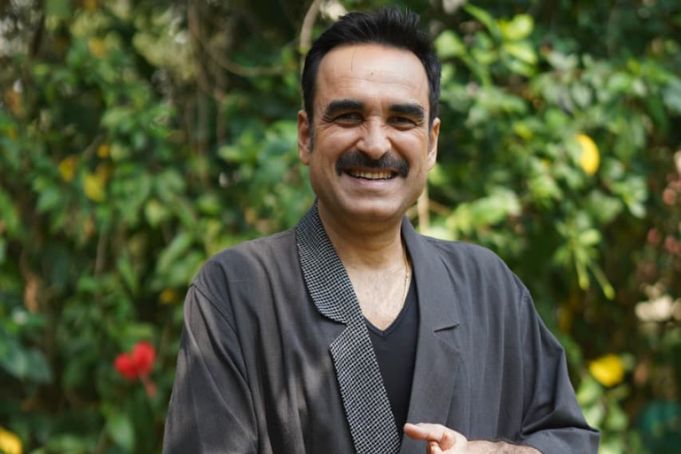
Actor Pankaj Tripathi is known for his performance-driven characters in “Mirzapur,” “Stree,” “Stree 2,” “Gangs of Wasseypur,” “Mimi” and more. In an exclusive conversation with Variety India, the star speaks about why he never believes in fitting into a particular mould, how OTT platforms transformed his career, why he doesn't think actors need constant publicity support, his views on stardom and what audiences can expect from the upcoming “Mirzapur The Movie.”
Same, but different
With excitement building around the “Mirzapur” movie, Tripathi explains that the biggest change is not the characters, but the viewing experience. "In India, very few people understand that OTT is about personal viewing. And cinema is about community viewing. This is the major difference. The world and the characters will be the same. But the story is new and unheard of. And the scale of the screen is big, it is not 5 feet by 6 feet this time,” he quips.
The actor says he approached the role of Kaleen Bhaiyya without the baggage of its familiarity. "People have already seen him. He is the same character. They will see him in the part of the story that we haven't seen. He is nothing new and is not the entire story,” he reckons.
Keeping at it
Tripathi explains his career-spanning resilience, saying he never lost faith in his work, believing it would eventually find its audience. He adds, "I believe if something is loud, people pay more attention to it. But the same people also take time to grasp the subtleties. I had immense trust in my craft and resilience. I knew I’d be noticed one day."
That belief in his craft also ties in to how Tripathi views his place in the film industry today. He believes the definition of a star has evolved stating, "It happens across generations. Audiences exposed to good cinema appreciate all kinds of actors and characters. Not only have I created audiences, but audiences have also created me. It’s always vice versa."
Speaking about the rise of OTT platforms, Tripathi credits streaming services with democratizing entertainment. "Theatrical stories still reach limited audiences due to limited screens and other constraints. However, OTT has made viewing unlimited. Every person can see content from their phones and at their convenience. I suddenly started getting brand deals and became the brand ambassador for 27 brands during COVID-19. Both my manager and I were shocked, but we understood that this is what popularity brings. Being present on every OTT platform helped my case,” he explains.
Start being invisible
Despite his popularity, Tripathi believes actors don't need to stay visible all the time. While he acknowledges the importance of promotions around a film's release, he says privacy remains important to him. “I tell my team members that I don't have to be visible every week. I don't even upload moments from my personal life on social media. I love to keep things private. But when a film arrives, promotions are mandatory. That’s when PR is necessary because you have to showcase your film to more people,” he affirms.
Popular on Variety
The “Mirzapur” star also reveals that he has never felt pressured to accept more conventional roles to fit Hindi cinema's leading-man image. He says he has always picked roles based on his own instincts. "I don’t have a guide in the industry. I involve my expertise in the stories I support, the costume I wear and the food I consume," he shares.
But is having a godfather important in Hindi cinema? His answer is brief and unequivocal: "Not for me. I make right or wrong decisions in life by myself. I don’t need anyone else,” he signs off.






Comments are moderated. They may be edited for clarity and reprinting in whole or in part in Variety publications.