



Sep 14, 2026 2:00pm IST
Nikkhil Advani: ‘We Have Forgotten That We Are A Nation That Loves Cinema; It’s Now a Nation That Loves the Box Office’ (EXCLUSIVE)
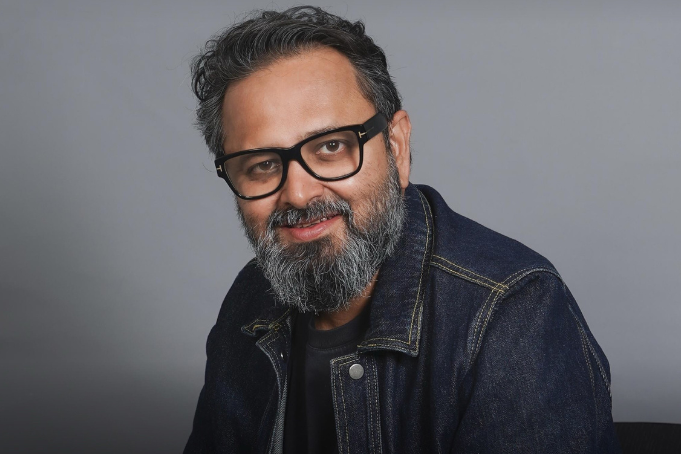
For Nikkhil Advani, the biggest revolution he would like to see in the Indian entertainment industry has little to do with technology, scale or changing formats. It is about changing the way films are judged. The filmmaker believes the industry’s growing obsession with box-office numbers has overshadowed the very reason cinema exists in the first place: storytelling.
“This notion that a piece of storytelling art is to be judged by box office is ridiculous,” Advani says. He points to the way films are often reduced to their opening-day or opening-weekend numbers, rather than being discussed for what they attempted to achieve.
For Advani, the fixation with numbers has become so dominant that it has changed the way audiences and the industry perceive success and failure. He recalls his own experience with “D-Day,” which opened to modest numbers but remains a film he believes in.
“I remember a headline that said ‘D-Day’ Saturday has made Rs 1.75,” he says, questioning why such figures should become the defining narrative around a film.
Related Stories

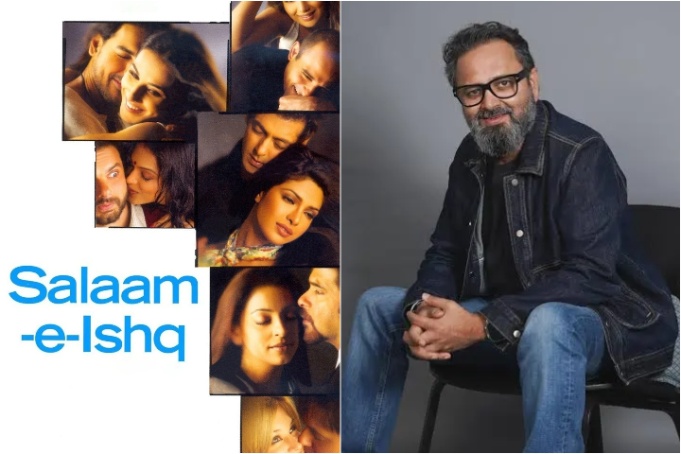
His larger concern is that India’s relationship with cinema itself is being replaced by a relationship with box-office figures. “I think that it needs to stop this thing. It is silly,” he says. “Why do we call this a nation that loves cinema and films? We have forgotten that. It’s now a nation that loves box office. It’s not a right thing. That’s a revolution I want to cause.”
Advani’s views are particularly pointed given his own career, which includes films that have performed commercially as well as projects that have been driven more by the story and subject. He argues that commercial success should not become the only measure through which a filmmaker’s work is remembered.
The filmmaker also believes that the freedom to make the film one wants requires actors who are willing to surrender themselves completely to the material. Speaking about his decision to work with younger talent on “The Revolutionaries,” he says, “I want to work with actors who I think can deliver what I want them to deliver.”
Popular on Variety
For Advani, the process extends far beyond the shoot itself. “The 70 days are usually spread out between day breaks, between turnarounds, that 70 days is spread out literally within about 100 days, plus there are 100 days of prep, so there are 200 days. For the 200 days, these guys are going to be my family,” he explains.
That is also why he believes established stars can sometimes bring baggage that gets in the way of complete transformation. He says, “I can’t do that with stars. I find I can’t tell the story I want to tell if people come with image and baggage. They have to be willing to surrender themselves to the character.”
For Advani, then, the revolution is ultimately about returning cinema to its fundamentals: the story, the filmmaker’s belief in it and the audience’s relationship with what they see on screen, rather than reducing the entire experience to a number on a box-office chart.









Comments are moderated. They may be edited for clarity and reprinting in whole or in part in Variety publications.