



Apr 19, 2026 9:38am IST
‘Kara’ Director Vignesh Raja: ‘Dhanush’s Market Gave Us the Budget to Build an Authentic Set’ (EXCLUSIVE)
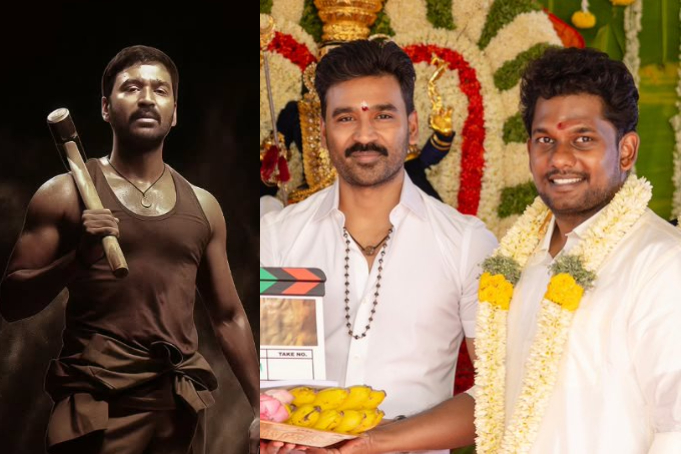
Vignesh Raja admits he was unprepared for the unprecedented positive response to his 2023 directorial debut “Por Thozhil”. “I was still doing promotions, thinking the audience might stop coming to theaters. The film ran for 77 days, nearly three months,” Vignesh tells Variety India.
“After that, I took a break, traveled and attended festivals. It was only after six months that I got back to work, and since then, it’s been only ‘Kara.’”
It's a coincidence that the Dhanush-starrer “Kara,” which features a plot element tied to the fuel crisis following the 1991 Gulf War, arrives at a time when the world is once again witnessing similar geopolitical tensions in West Asia.
Related Stories
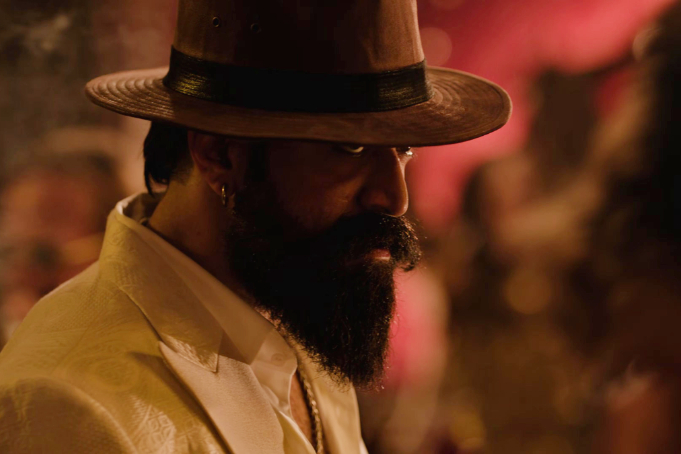
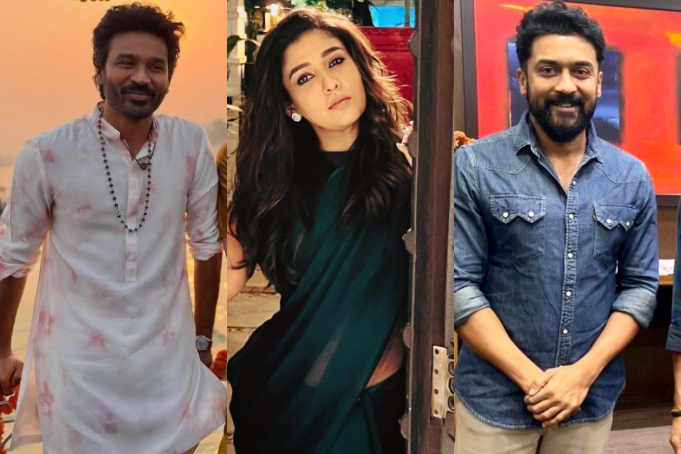
For Vignesh, the overlap reflects a core belief about storytelling. “Art is always a byproduct of human experience. What you see on screen may not be entirely real; it can be exaggerated or shaped by wishful thinking, but at its core, art reflects reality.” He adds that the relationship is cyclical. “Cinema is a mass medium, and inevitably influences audiences. The degree may vary, but the exchange between art and reality is constant.”
While global events like the Gulf War inform “Kara,” Vignesh clarifies that they are not central to the narrative. “It’s just an element. But when something happening across the sea affects someone who doesn’t even understand it, that’s almost mystical,” he says.
Vignesh is clear that “Kara” doesn’t follow the template of a conventional commercial entertainer. “To me, a commercial film is simply one that earns more than what was invested. Entertainment is engagement, and there’s no single way to engage an audience,” he says.
He describes “Kara” as a “true genre film” that stays committed to its narrative. “There are trade talks and assumptions that audiences in the South want dance or fight. It’s all speculation. Like “Por Thozhil,” “Kara” doesn’t rely on those trappings,” he adds.
Set in 1991, the film uses its scale to build an immersive world. “It’s not necessary for the audience to notice the budget. It should only help tell the story better,” Vignesh says. The team recreated a 1990s Ramanathapuram setting, including a key road junction inspired by Mysore’s Agrahara Circle. “Film sets usually don’t have trees because they’re built on open land, and that subconsciously breaks the illusion. We built the set around real trees and even transplanted some. As we built, the trees grew too,” he explains.
Despite the presence of a major star, Vignesh insists the focus remains grounded. “Dhanush sir says there’s no grandeur greater than human emotion. Even with an A-lister, I approached it as a genre film and stayed true to the story. The budget we had because of Dhanush’s market was used to create an authentic world.”
Calling Dhanush “a director’s delight,” Vignesh highlights the actor’s balance between stardom and craft. “He’s secure enough not to be conscious of his image, and that allows him to take on varied roles. But he also understands his fans and strikes a balance,” he says.
“Kara” features a morally ambiguous protagonist. “He’s not a typical hero,” Vignesh says. “He’s selfish, and his decisions challenge his moral compass.” He points to earlier shifts in Tamil cinema, referencing films like “Sigappu Rojakkal,” “Thalapathi” and “Mankatha.” “In 'Mankatha,' Ajith sir played a character who was
unapologetically greedy, without a backstory. That marked a cultural shift and
liberated both audiences and writers,” Vignesh notes.
Vignesh also highlights a structural gap in the industry when it comes to writers. “We don’t have enough writers, it’s a culture we need to build, that comes from giving them respect, remuneration and recognition,” he says. Vignesh points to Malayalam cinema. “Writers like Syam Pushkaran have their own pull in theaters. That’s where we need to get to.” His collaboration with writer Alfred Prakash (in “Por Thozhil,” “Kara”) stems from a long-standing relationship. “We’ve known each other since 2011. That familiarity changes everything; you’re not starting from scratch.”
Despite extensive planning, Vignesh says filmmaking remains unpredictable. “We shot for 81 days, and even on the last day, I had butterflies,” he says. “You’re constantly chasing something you never fully capture.”
“Films are never finished, only abandoned,” he signs off, echoing a well-known saying.











Comments are moderated. They may be edited for clarity and reprinting in whole or in part in Variety publications.