



Sep 19, 2026 2:00pm IST
news-old-title
Dr. (CA) Ankur Aggarwal: ‘Privacy is a genuine currency for famous people’


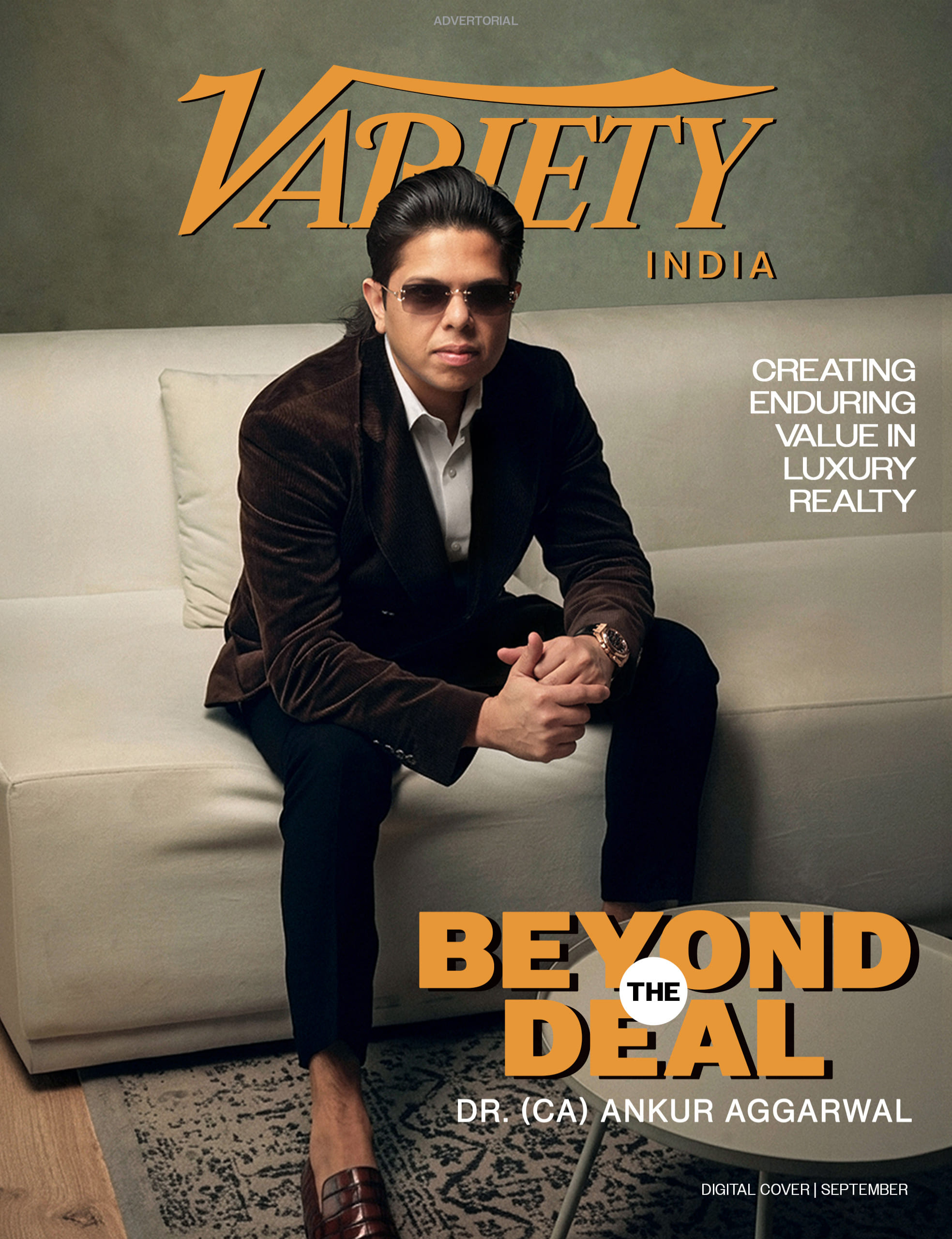
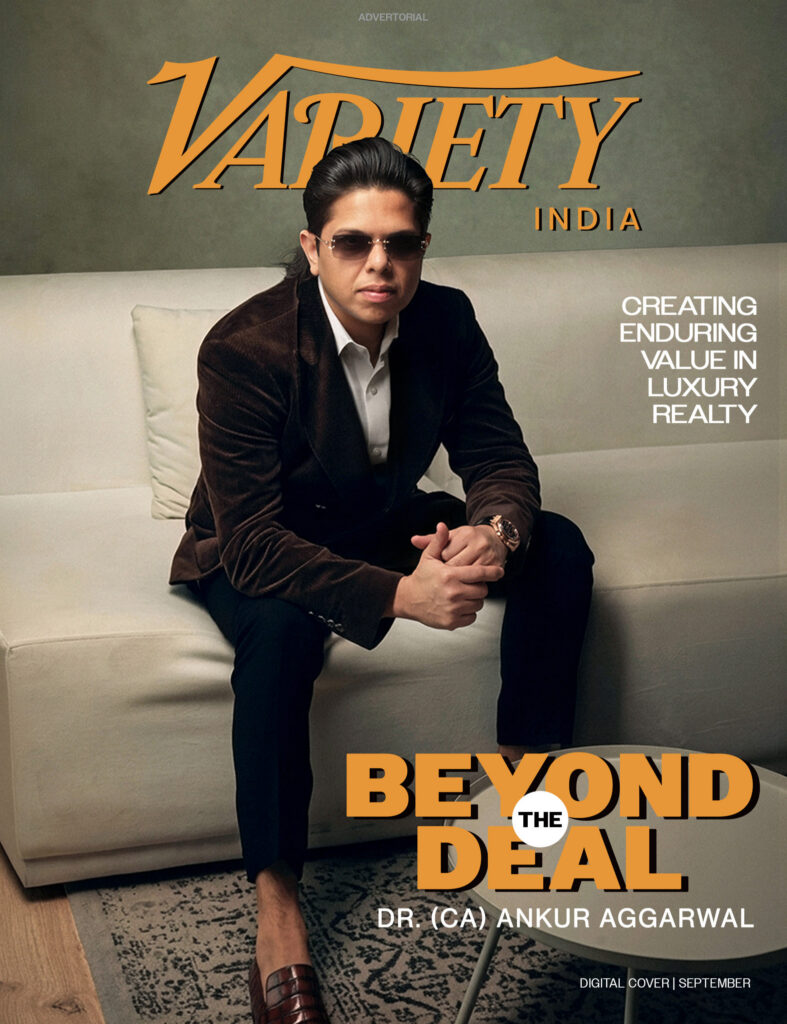
A Chartered Accountant turned realty magnate, Dr. (CA) Ankur Aggarwal, Chairman and Founder of BNW Developments, has driven one of the Middle East’s most meteoric corporate rises, steering a powerhouse with over AED 32 billion in gross development value, zero backlog, and a 750-strong team.
Since pivoting to full-scale development in 2024, Aggarwal has redefined prime real estate across the UAE through high-caliber alliances with global institutions including IHCL (Taj), Radisson Blu, Wyndham Hotels & Resorts, Tonino Lamborghini, FashionTV, and Masah’s MAN Construction.
Clinching Best Branded Residence Developer of the Year 2026 at Monaco’s Robb Report Awards alongside three consecutive Icons of the UAE titles and an honorary Doctor of Letters (D.Litt.), Aggarwal anchors his disruptive scale in strict financial governance, ESG leadership, and enduring cultural cachet.
Excerpts from an interview:
What does the next decade of luxury real estate look like?
We are moving from luxury as ownership to luxury as experience. For decades, the industry sold square footage and finishes. The next 10 years will be about wellness, privacy, how a space makes you feel and a sense that a home understands you. Sustainability will become a baseline expectation rather than a premium feature. Global luxury will also decentralize, with buyers following lifestyle, safety and opportunity beyond traditional cities. Developers who treat homes as living ecosystems will define the next chapter.
What are wealthy buyers looking for today that they weren’t looking for five years ago?
Five years ago, it was about size, address and finishes. Today, it is about time and wellbeing. Buyers want clean air and water, natural light, quiet and spaces that support how they actually live, a home gym that gets used or a kitchen designed for someone who cooks. Privacy is a genuine currency for famous people. Increasingly, people are buying for their children’s future as much as their own. Legacy has entered the equation in a way it hadn’t before.
Related Stories
Has real estate become less about homes and more about lifestyle?
I would say it has become both, inseparably. Buyers are no longer just asking how many bedrooms a home has; they are imagining how they will live and grow in the space. Amenities, community, proximity to restaurants and schools, and even the energy of a neighborhood now sit alongside the architecture. This doesn’t diminish the idea of home. If anything, it deepens it. People want their address to say something true about who they are.
Do buyers today value location more?
Location still matters enormously, but it is no longer enough on its own. I have seen extraordinary locations undersell because the experience inside felt generic, while buyers have paid a premium for a less iconic address because everything about daily life felt considered. Location gets the buyer’s attention, but experience earns their signature. The developers doing this well are designing both together from the start.
Which city will become the next Dubai?
I am cautious about naming a single city because Dubai’s rise came from a very specific combination of vision, stability, tax policy, connectivity and timing. That said, I am watching cities such as Riyadh, where there is real ambition and long-term capital being invested. I would also watch select Southeast Asian cities attracting global capital through smart visas and infrastructure. Rather than one “next Dubai,” we may see multiple cities become the best versions of themselves.
Is the luxury housing market driven by emotion rather than logic?
Emotion initiates the decision and logic justifies it afterward. Someone falls in love with a view, a feeling or a lifestyle they can picture themselves living, and only then do they bring in advisors to make the numbers work. I don’t see this as irrational; I see it as human. People are buying a version of their future. My job as a developer is to respect that emotional truth while still delivering something that holds up on paper, strong construction, real value and sound legal structure.
What separates a successful developer from a successful businessman?
A successful businessman optimizes for returns. A successful developer has to hold that same discipline while thinking generationally because what you build outlives the deal. I can walk past a project I completed years ago and still feel responsible for how it ages and whether the people living there are satisfied. The best developers are disciplined with capital and rigorous with risk, but they never let the spreadsheet become the whole story. The building stands long after the deal closes, and so does your name on it.
How do you think artificial intelligence will change the real estate business?
AI is already changing how we design, price and sell. We are using it to predict buyer preferences, optimize layouts and personalize how properties are marketed. It is also transforming operations through predictive maintenance, energy optimization and security. The biggest shift is still ahead: AI will allow us to design homes around how a specific family actually lives, rather than around a generic buyer profile. Developers who use it to become more human in their design decisions, rather than more mechanical, will pull ahead.
Will technology replace brokers?
It will change the role, not eliminate it. Technology is very good at narrowing thousands of options down to twenty by matching budget, location and features. What it cannot do is understand what a buyer is not saying out loud, the anxiety of a major purchase, relocating a family or the trust required when investing in an unfamiliar country. The best brokers of the next decade will spend less time searching listings and more time acting as advisors and building trust. Technology should free them for that, not replace them.
Will smart homes become the norm rather than a luxury?
Absolutely, and I think that shift is closer than people realize. What we called “smart home” luxury a decade ago is quickly becoming a standard expectation, much like air conditioning or a fitted kitchen. The real luxury frontier is moving further, homes that anticipate needs, manage energy intelligently and integrate health and wellbeing into daily life. In five to ten years, “smart” will not be a selling point; it will simply be expected. The differentiation will be in how invisibly and elegantly that intelligence is built into the home.

Comments are moderated. They may be edited for clarity and reprinting in whole or in part in Variety publications.