



Nov 26, 2026 2:00pm IST
Ashwini Kale on Building Cinematic Worlds for ‘Scene’ and ‘John Doe’: ‘Every Film Has Its Own Visual Language’ (EXCLUSIVE)
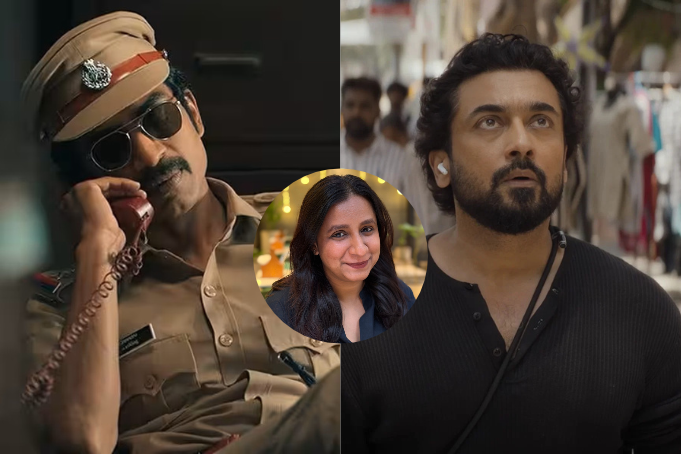
Prominent production designer Ashwini Kale recently designed the sets for director Jithu Madhavan’s film “Scene,” as well as the Arjun Das-starrer thriller “John Doe.” In an exclusive conversation with Variety India, Kale discusses designing for different genres, collaborating with Jithu Madhavan and adapting to the changing demands of filmmaking.
'Scene’ unfolds across very few locations and balances dark psychological themes with humor. How did you keep the audience from feeling the minimalism of a contained thriller?
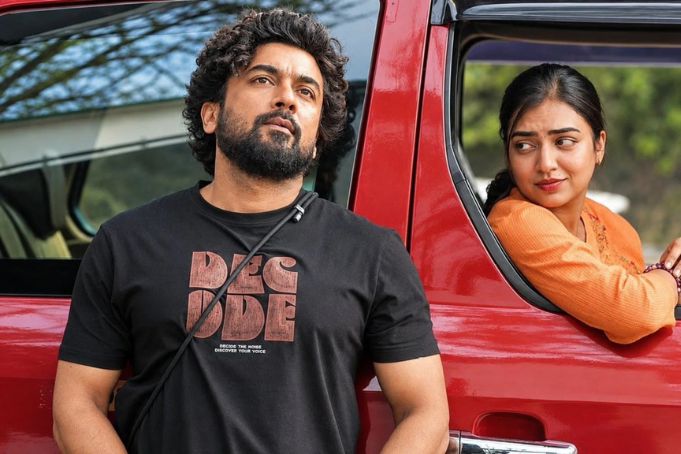
I wouldn’t actually call “Scene” a film with just a few locations. We had quite a lot of spaces, spread across Kochi and Chennai. Some were real, while others were built from scratch, including Eeswaran’s (played by Naslen) house, the interrogation office, the CBCID office, the street, Inbaraj’s house, the mortuary and the jail. The remaining locations were real places that we modified wherever necessary.
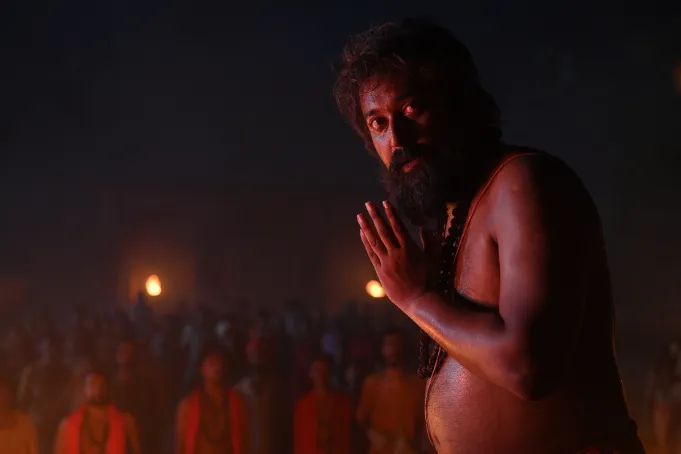
We weren’t trying to make every location look different just for the sake of it. The contrast that really mattered was between Eeswaran’s house and DSP Inbaraj’s (played by Suriya) home, because a house should tell you something about the person living in it. Eeswaran is sharp, cunning and particular about everything, so his space is clean and ordered. I like to call it “clean clutter”: everything is in its place, but the space still feels lived in. Inbaraj’s house is softer, with more arches and curves and fewer hard edges. You sense the difference between the two men even before either of them says a word.
Related Stories
How does your approach change when designing a high-stakes thriller like ‘John Doe’ compared to a quirky comedy?
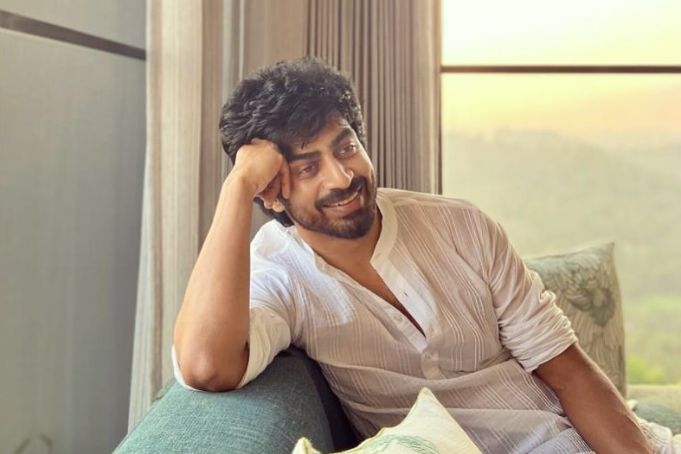
For “John Doe,” the brief was to create something eerie, realistic and misty, with a little bit of everything in between. The landscape did half the work: hillscapes, wide-open spaces and a slightly mysterious atmosphere. Sometimes the location tells the story, and you just have to stay out of its way.
We still wanted the houses to carry personality. Latha’s (played by Anupama Kumar) home has a quiet Christian cultural identity even though the family has moved to Tamil Nadu. Darshana’s (played by Srishti Singh) house is more artistic, much like her personality. We even thought about how the children’s rooms were arranged, so every space reflected something about its occupant. “John Doe” needed the weight of a psychological thriller. Landscape, color, scale, architecture and props all depend on the period, the characters and the mood.
‘Aavesham’ had a distinct, vibrant visual language, from the neon-lit Mayuri Bar to Kutti’s gaming den. How did you balance playful exaggeration with grounded realism?
The visual language of “Aavesham” came from Jithu Madhavan’s world and the characters inhabiting it. We wanted the spaces to feel larger than life, colorful and slightly exaggerated, but never artificial. Ranga’s (played by Fahadh Faasil) character, despite being larger than life, also had an innocence to it.
Each location had its own personality. The neon-lit Mayuri Bar was designed to feel loud, chaotic and almost overwhelming, reflecting Ranga’s character. Kutti’s (played by Midhun Suresh) gaming den had a different energy, rooted in the everyday world of youngsters. The Ranga Theme Park allowed us to push the visual language further and embrace a certain playfulness.
Popular on Variety
You’ve collaborated multiple times with Vineeth Sreenivasan and Jithu Madhavan. How does the creative shorthand evolve by the second or third film?
“Hridayam” was my first film as an independent production designer. It was a huge learning curve and the film that opened the door to cinema for me in that role. I am grateful to Vineeth for bringing me on board, even though I hadn’t independently designed a film before.
With Jithu, “Aavesham” and “Scene” gave me an opportunity to understand how he works. “Scene” is our second film together, so there’s a certain familiarity with how he thinks and interprets a script. One thing about Jithu is that he keeps revisiting and changing the script, sometimes even on the day of the shoot. You learn to stay prepared, adapt and not lose sight of the bigger picture, which excites me and keeps me on my toes.
By the second or third film, conversations become shorter and more instinctive. You understand what the other person means without having to spell out every little detail. I tell my team, especially when they don’t agree with certain decisions, “Guys, trust me, Jithu doesn’t want this.”
How do crew workflows, budgets and design expectations vary across the Hindi, Malayalam and Tamil film industries?
Having worked with several teams and setups, the biggest difference I have noticed is in how the art department is structured. In Mumbai, roles are more clearly defined: set assistants, art assistants, prop masters, set dressers and so on. Each person has an assigned responsibility, so the workflow is more systematic, and the budgets are generally better. People are hired for the roles they need to play to ensure everything works in sync.
In Malayalam and Tamil cinema, timelines and budgets tend to be tighter. Even when designations exist, people often wear multiple hats. You might go from planning and sourcing to fabrication and plain manual labor within the same week. The lines blur. In terms of budgets, the production designer typically builds the team and plans the requirements, while the art director is closely involved in handling the budget and deciding how resources are allocated on the ground. The art director also has a say in who is brought on board. Creative freedom varies with the scale of the project.







Comments are moderated. They may be edited for clarity and reprinting in whole or in part in Variety publications.