



Nov 22, 2026 4:25pm IST
Cinematographer Preetha Jayaraman On Shooting For ‘John Doe’: We Shot The Underwater Scenes In A Swimming Pool in Hyderabad’ (EXCLUSIVE)
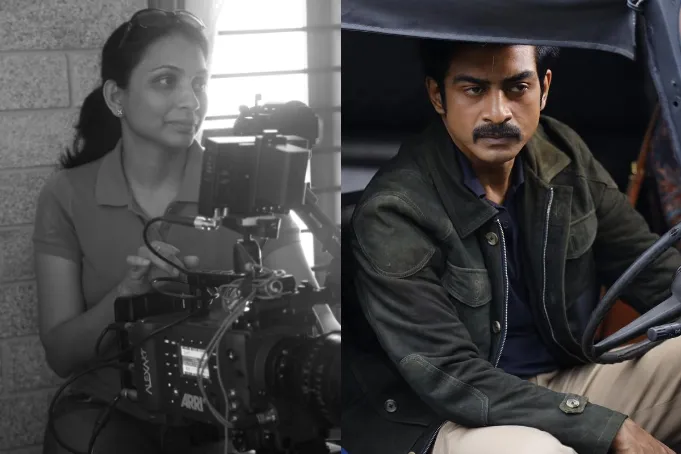
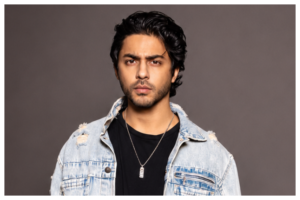
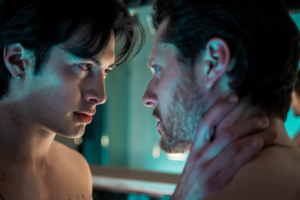
An acclaimed cinematographer, Preetha Jayaraman has worked in over 20 films across all South Indian languages, besides a few Hindi and English films. In an interview with Variety India, she talks about the challenges of shooting underwater sequences for Arjun Das-starrer "John Doe", changing her visual style for different genres and the joys of seeing many women join the cinematography space.
Shooting a crime thriller like ‘John Doe’ involved complex setups, including underwater sequences. How do you plan your lighting and camera movement when dealing with such demanding physical elements?
I always start by building a visual playbook after reading a script: how I think the spaces could look, the tonality of each scene and how the characters should be lit while they inhabit these spaces. For ‘John Doe’ I shared my character worlds as a first dialogue after I read the script with the director, Madhumita. Because this is a thriller we had to plan how and when to move the camera to create eeriness and intrigue. The idea was to find the right balance of static frames that build tension and camera movements that push it to the next level. We shot in Kerala’s Idukki district, amidst mist, fog, intermittent rain and lush greenery, this really helped set the tone for ‘John Doe,’ with nature adding another layer to the storytelling.
We shot the underwater portions in a swimming pool in Hyderabad with an excellent underwater crew who came well-trained with all the gear needed to pull off the shots. The lighting for underwater photography required careful planning. The swimming pool was open to the elements and I had to be quick with lighting setup changes to avoid making actors wait. They were in and out of the water, were cold, and could tire easily. There were children involved, everyone had been trained to stay underwater, with oxygen tanks on standby but there was always room for stress. We couldn’t predict how any of them would cope during the actual filming. These were intense scenes as well. Thankfully everyone was on top of their game and we canned all the shots in two days!
Related Stories

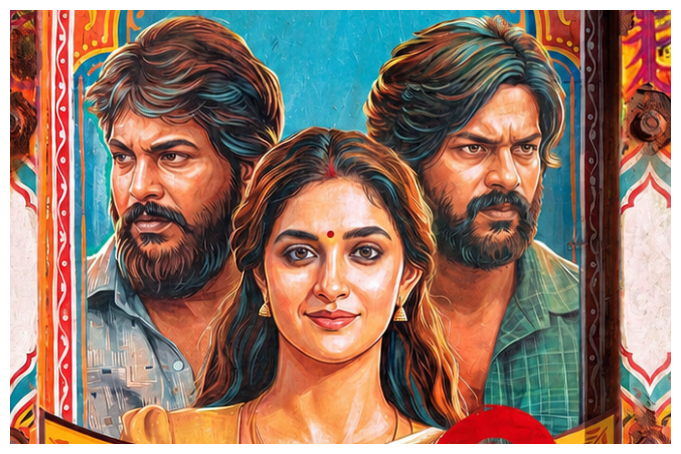
How do you change your visual style when moving between two totally different worlds, like you did from ‘Bad Girl’ to ‘John Doe’?
It’s how the story speaks to me. ‘Bad Girl’ was so exciting to shoot because I had to help the director Varsha Bharath get inside the protagonist’s head. It had a free-flowing, intimate style guided by Varsha’s vision. I can’t explain exactly how I change visual styles, it’s fairly visceral. It’s the script, my instincts, my life experiences, my relationship with the director and finally the technique kicks in.
How does your approach change when adapting to different regional styles?
I don’t try to change my visual approach. I try to bring the best cinematography possible to translate the story/ script to screen, irrespective of language. Working styles of regional crews do differ, but I make things work wherever I go.
Popular on Variety
When you started, there were very few female cinematographers in South Indian cinema. What is the biggest positive change you see on film sets today?
More women! It’s so heartening to see so many women in all departments. There is something innately beautiful seeing women working on set. It thrills me to no end. Every shoot has days where the weather turns bad or light runs out.
What is one tough shoot day that taught you a big lesson?
I have a list of lessons from tough shoot days from each film. And honestly, it’s not about tough weather days, it’s about how to understand and deal with human beings better.
The advice you’d give youngsters who want to become cinematographers?
If cinematography is the calling, be relentless, keep going, keep learning, watch films, read books, look for the light in everything, network, make movies on your phones, small cameras, just keep showcasing your talent every chance you get. You never know what will open doors and give you your big break.

Comments are moderated. They may be edited for clarity and reprinting in whole or in part in Variety publications.