



Nov 26, 2026 10:00pm IST
‘You Can See Everything’: Nathan Fielder And Lance Oppenheim On Capturing The Truth Behind Elizabeth Holmes’s Guarded World (EXCLUSIVE)
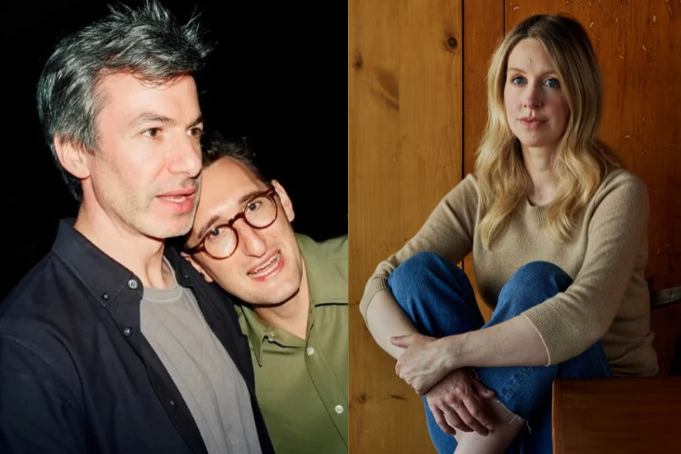
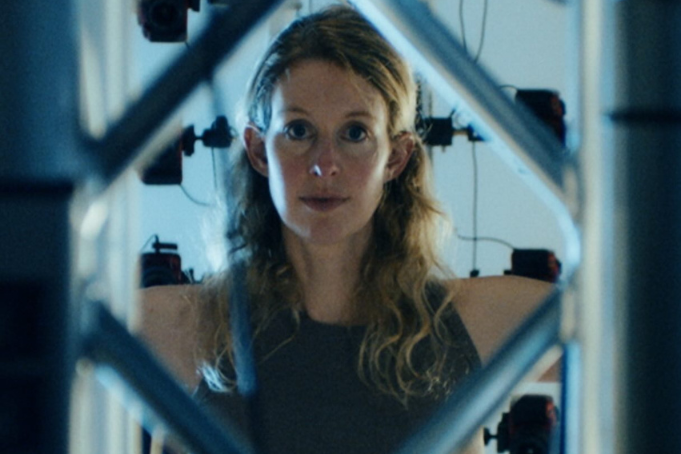
How do you capture the truth about someone who is famous for deception? This was one of the biggest challenges faced by directors Nathan Fielder and Lance Oppenheim while making "You Can See Everything," a documentary that follows disgraced Theranos founder Elizabeth Holmes during the final 34 days before she reported to prison.
Holmes became one of Silicon Valley's most celebrated entrepreneurs after promising to revolutionise blood testing through Theranos, her healthcare technology company. However, the company's claims about its technology eventually unravelled, leading to her conviction for defrauding investors and an 11-year-and-three-month prison sentence. The documentary offers an unusually intimate look at Holmes during this period, with Fielder and Oppenheim gaining access to her home, personal documents and everyday interactions with her partner, Billy Evans.
Despite Holmes appearing unusually open and allowing the filmmakers into her private world, they constantly questioned whether her transparency was genuine. For someone whose public image was built around ambitious promises that eventually fell apart, establishing what was real and what was being presented for the cameras was never going to be straightforward. Speaking about this experience, Oppenheim said, “How do you represent that feeling where you’re seeing somebody that appears to be extremely forthcoming about everything on her mind, and yet there’s this very odd feeling underneath it that you can’t trust anything that’s happening in front of you?”
Related Stories
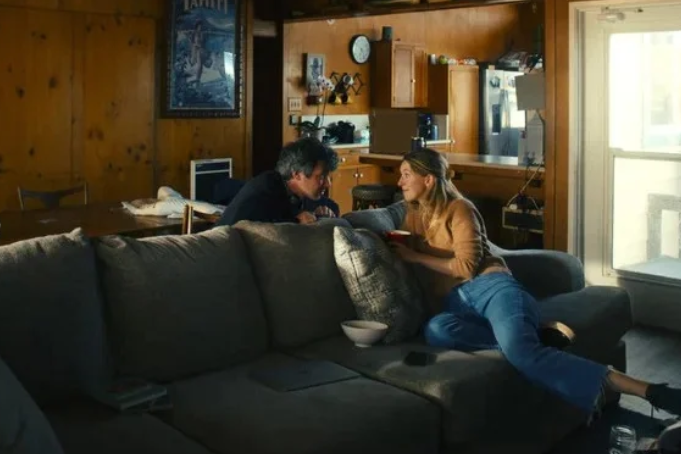
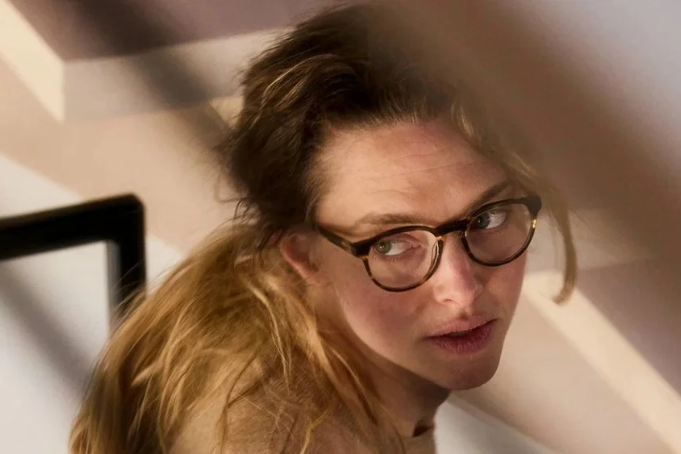
The challenge extended beyond Holmes herself. The filmmakers also found it difficult to capture authentic interactions between her and Evans. Their conversations often felt stilted and artificial, making it difficult to determine how much of what they were witnessing was natural and how much was influenced by the presence of the cameras. Holmes also declined to discuss certain Theranos-related topics because of her ongoing legal appeals, further limiting the scope of conventional interviews.
Rather than making the documentary a series of question-and-answer sessions, Fielder and Oppenheim gradually moved towards an observational approach. They allowed the camera to capture ordinary domestic moments, conversations and silences, often finding more revealing details in seemingly insignificant interactions than in direct discussions about the scandal.
This approach also meant that the filmmakers had to be patient and allow the story to develop on its own terms. Instead of constantly pushing Holmes for answers, they began paying closer attention to how she behaved when she wasn't directly addressing the camera or responding to a specific question. Their approach eventually began to pay off, with Fielder explaining, “We realized this could be a story that is told in the little moments, when everyone’s guard is down and the authentic person comes out because no one thinks these moments matter, or that a story is actually happening.”
That philosophy becomes central to the documentary, which gradually moves beyond the Theranos scandal to examine Holmes' personality, her relationship with Evans and the complicated ways in which people present themselves to the outside world.
For Fielder and Oppenheim, the challenge was never simply to get Holmes to talk about her past. It was to understand what happens when someone appears willing to reveal everything, yet leaves you questioning almost everything you see. And sometimes, as the filmmakers discovered, the most revealing moments are the ones nobody intended to make important.








Comments are moderated. They may be edited for clarity and reprinting in whole or in part in Variety publications.