



Nov 26, 2026 11:08am IST
‘Paper Tiger’ Review: Adam Driver, Scarlett Johansson And Miles Teller Elevate An Otherwise Underwhelming Crime Drama
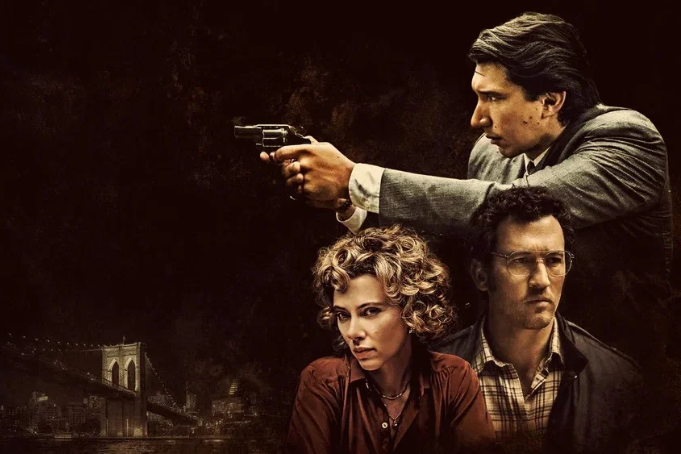
There are three very good reasons to watch “Paper Tiger”: Adam Driver, Scarlett Johansson and Miles Teller. With three actors of this caliber coming together, expectations are naturally high. And while James Gray’s crime thriller gives each of them plenty of room to showcase their abilities, you cannot help but wish the story around them was just as compelling. For all the talent on screen, “Paper Tiger” relies more on its performances than the strength of its writing.
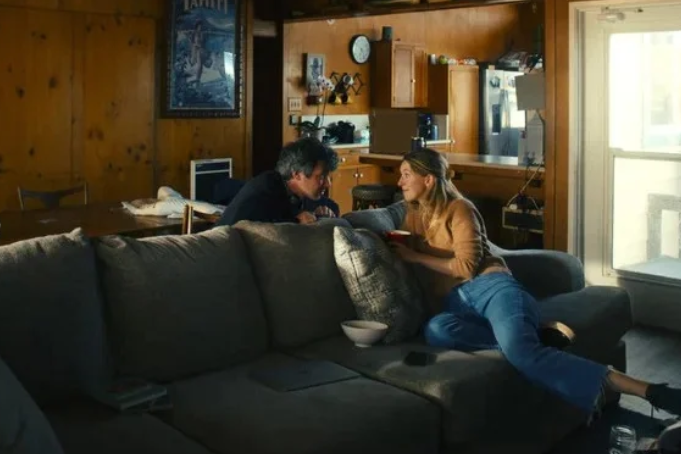
Set in 1986 New York, the film follows two brothers caught up in a dangerous business involving the Russian mafia. Gary (Driver) is a former police officer who has built several connections over the years and knows how to get things done. His younger brother Irwin (Teller) is a family man trying to build a comfortable life for his wife, Hester (Johansson), and their children. What begins as a promising business opportunity soon turns into a dangerous situation, putting the entire family at risk.
On paper, there is plenty to work with. You have two brothers with different personalities, a family caught in the crossfire and the underworld threatening to take everything away from them. However, the film never quite digs deep enough into these ideas. Much of the storytelling remains at a surface level, leaving the actors to do the heavy lifting.
And they do a rather impressive job of it.
Related Stories
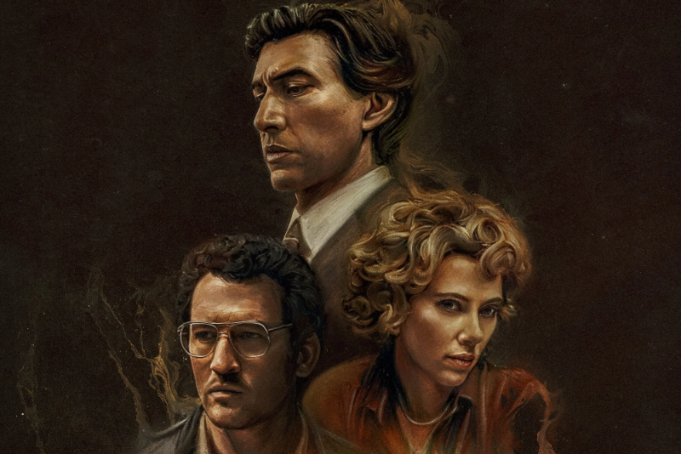
Driver is particularly effective as Gary, a man who always seems to have another plan up his sleeve. He is a go-getter who knows people, has his fingers in several pies and is rarely short of a way out of a difficult situation. Driver brings just the right amount of confidence and intensity to the role. You can see that Gary genuinely cares about his brother and wants the best for him, even if his own choices are often what land them in trouble. There is an underlying sense of loyalty between the two that Driver conveys beautifully. He also keeps you guessing about what Gary might get himself into next.
Johansson, however, is arguably the film’s strongest performer. As Hester, she is the emotional anchor that “Paper Tiger” desperately needs. She is a loving wife and a caring mother who consistently puts her family first. Johansson makes you feel the weight of that responsibility, bringing a raw emotional energy to the character.
There is vulnerability in her performance, but she never makes Hester seem helpless. Her accent may take a little getting used to, but it does little to diminish the impact of her work. Whenever the film needs an emotional jolt, Johansson delivers.
Then there is Teller, who plays a man pulled in several directions at once. As Irwin, he is a father trying to protect his children, a husband navigating a marriage in which not everything is being shared with him and a younger brother constantly dealing with the consequences of Gary’s decisions. He is often caught in situations he never asked to be part of, forced to make decisions he is uncomfortable with and deal with consequences that are not entirely
his doing. Teller effectively communicates the frustration, confusion and emotional exhaustion that come with being caught between his family and his brother. His performance makes Irwin’s predicament feel convincing.
Together, the three actors give the film its strongest moments. They bring the tension, emotional depth and drama that the screenplay occasionally struggles to provide. It is a testament to their performances that you remain invested even when the narrative itself does not offer enough to keep you on the edge of your seat.
The film’s biggest shortcoming, however, is its treatment of the Russian mafia and the danger surrounding the family. For a story that places its characters in the middle of such a threatening world, the stakes rarely feel as high as they should. There are moments designed to make your skin crawl, including an unsettling sequence in which members of the mob turn up at the family’s home, threaten them and photograph them while they sleep. It establishes that the family is being watched and that nowhere is truly safe. There is something particularly disturbing about the idea that danger can enter your home
without anyone knowing.
But the film could have done more to build on this sense of dread. The criminal threat never becomes as intimidating as the circumstances demand. You understand why the characters are frightened, but you do not always feel that fear. Perhaps Gray deliberately wants to focus on the psychological impact of being threatened rather than turning the film into an action-heavy gangster drama. A whispered threat or the feeling of being watched can be far more unsettling than a physical confrontation. However, the atmosphere needs to sustain that tension, and the film does not always manage to do so.
Ultimately, “Paper Tiger” is a film you admire more for its actors than for the story they are telling. Driver, Johansson and Teller bring considerable conviction to their roles, making an otherwise ordinary screenplay feel more engaging than it might have been. You simply wish the writing had given them more to work with. It is watchable and well-performed, but rarely as gripping as it wants to be. The performances are its biggest strength. The story,
unfortunately, is its biggest missed opportunity.











Comments are moderated. They may be edited for clarity and reprinting in whole or in part in Variety publications.