



Nov 25, 2026 10:32am IST
‘You Can See Everything’ Review: Nathan Fielder Delivers A Bizarrely Brilliant Portrait Of Elizabeth Holmes
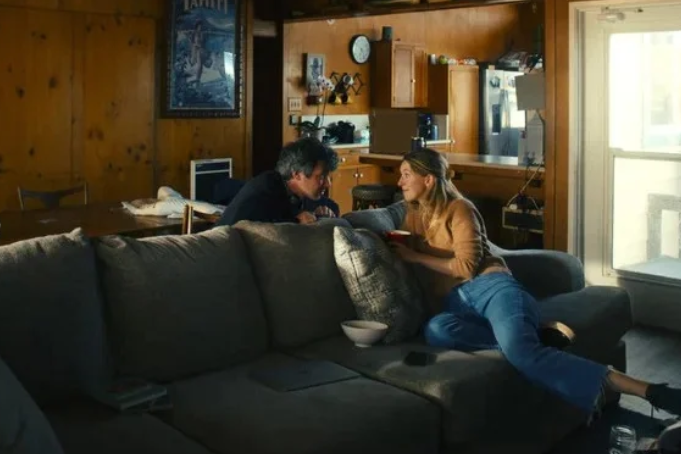
Some documentaries demand a little more of your time and attention than others. At nearly three hours, “You Can See Everything” certainly falls into that category. But what makes Nathan Fielder and Lance Oppenheim's documentary about disgraced Theranos founder Elizabeth Holmes so fascinating is the way it gradually reveals itself. Think of it as an onion, with Fielder peeling away one layer after another, constantly uncovering something new about the people he is documenting. And just when you think you have figured them out, there is another surprise waiting around the corner.
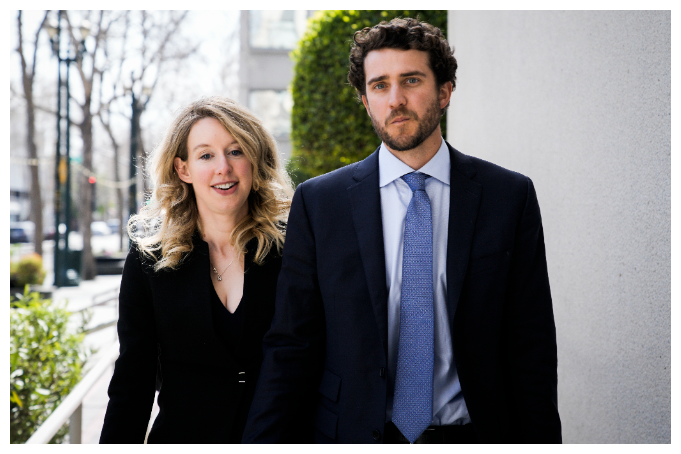
The documentary follows Elizabeth Holmes, the disgraced founder of Theranos, a Silicon Valley health technology company that promised to revolutionise blood testing by conducting hundreds of tests using just a few drops of blood. However, the technology failed to deliver on its claims and Holmes was eventually convicted of defrauding investors by misleading them about the company's capabilities, earning her an 11-year prison sentence. Nathan Fielder and Lance Oppenheim's documentary follows her during the 34 days leading up to her imprisonment, offering an intimate glimpse into her personal life with husband Billy Evans.
Fielder gets extraordinary access to the couple, spending time in their home and engaging them in conversations that are often difficult to comprehend. Holmes, in particular, has a remarkable way of making you question whether she genuinely believes everything she says. Her explanations can leave you wondering how she expects anyone to accept her version of events when the rest of the world has already reached a very different conclusion.
And then there is Fielder himself. His expressions, reactions and increasingly incredulous responses to Holmes and Evans are among the documentary's biggest highlights. Every conversation feels like an exercise in patience for him, and watching him process some of Holmes' explanations is almost as entertaining as listening to her.
Related Stories
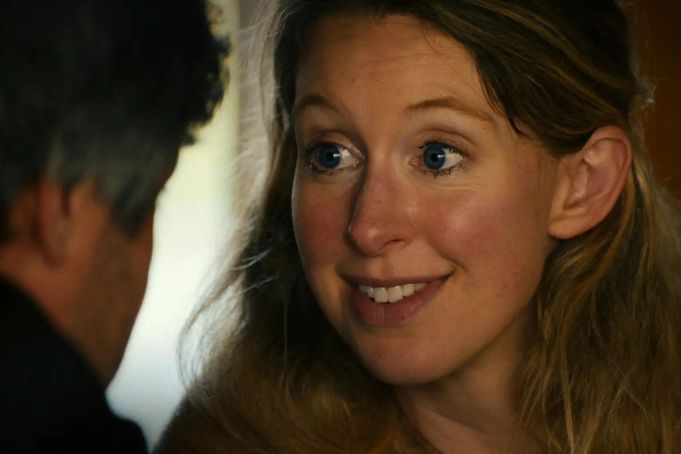
One particularly brilliant sequence involves a baseball joke from a television show that Fielder plays in front of Holmes and Evans. Even after watching it, Holmes seemingly fails to grasp the point. You are left wondering whether she genuinely doesn't understand the joke or is deliberately choosing not to. And that is what makes her such a fascinating subject. Is she genuinely that naive or has she been performing all along? We may never know. If it is the latter, she is exceptionally good at it.
Fielder's filmmaking is equally impressive. The close-up shots of Holmes are particularly striking, creating an almost claustrophobic atmosphere. You feel as though you are trapped in this strange little world occupied by Holmes, Evans and Fielder, observing every expression and every conversation. The more time you spend with them, the more curious you become about what really goes on inside their heads.
Evans, meanwhile, is an equally interesting personality. He appears completely devoted to Holmes, seemingly unable to see her the way the rest of the world does. To him, she remains the woman he fell in love with, irrespective of the scandal surrounding her. Their relationship initially comes across as picture-perfect, but Fielder gradually uncovers details that make you look at the couple differently. There is clearly more happening beneath the surface, and the revelations surrounding Evans' motivations and the things he keeps from Holmes add another fascinating dimension to their relationship.
And just when you think the documentary has given you everything it possibly can, the second half takes the storytelling several notches higher.
Holmes eventually reports to prison, which could have been a natural conclusion to the documentary. But Fielder has other ideas. Enter Amanda Seyfried, who famously portrayed Holmes in “The Dropout.” Her involvement is a masterstroke. Seyfried participates in reenactments, stepping into Holmes' shoes to recreate conversations and moments that the cameras could not capture. At some she plays herself, while she’s Holmes in the next scene making the boundaries between documentary filmmaking and performance increasingly fascinating.
What makes this section particularly enjoyable is how invested Seyfried becomes in the proceedings. Having spent so much time portraying Holmes, she too seems keen to understand the woman behind the character. Her presence adds an entirely new layer to the documentary, taking an already unusual exercise in storytelling to another level.
Yes, the nearly three-hour runtime requires some patience, and the deliberately measured pacing might not appeal to everyone. But there is something rewarding about watching Fielder slowly uncover these layers. Just when you think you understand Holmes and Evans, another conversation or revelation changes your perspective. The second half, in particular, demonstrates how much more there is to this story than its central subject.
“You Can See Everything” is one of the most fascinating documentaries in recent times. It may not have the immediate appeal of a conventional true-crime investigation, but its unconventional approach makes it an experience worth seeking out. Holmes and Evans might be the subjects, Seyfried is a terrific addition, but the real hero is Nathan Fielder. His expressions, instincts and extraordinary ability to find another layer in an already bizarre situation make this documentary special. Three hours might sound like a lot, but Fielder makes every layer count.















Comments are moderated. They may be edited for clarity and reprinting in whole or in part in Variety publications.